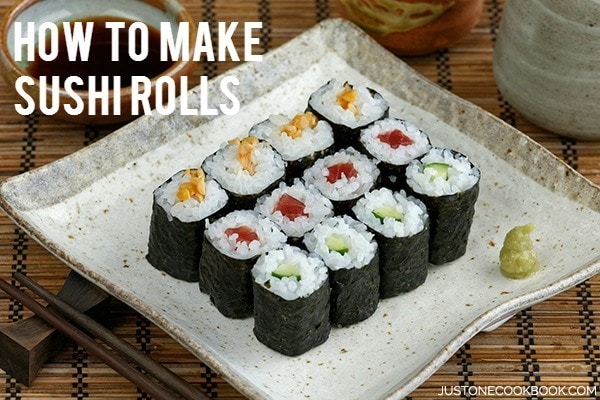
Jewel-like slices of the freshest fish draped over perfectly seasoned vinegar rice. True sushi is about harmony between rice and topping.
Nutrition & Info
Allergen Warnings
Equipment Needed
Presentation Guide
Vessel: wooden sushi board or lacquered plate
Garnishes: pickled ginger (gari), wasabi, shiso leaf
Accompaniments: soy sauce, miso soup, edamame
Instructions
-
1
Wash the sushi rice in a large bowl under cold running water, gently agitating the grains with your fingers. Drain and repeat this process six to eight times until the water runs nearly clear, then soak the clean rice in fresh water for thirty minutes.
-
2
Drain the soaked rice thoroughly and cook it with three cups of water in a heavy-bottomed pot or rice cooker. Bring to a boil, reduce to the lowest heat, cover tightly, and cook undisturbed for twelve to fourteen minutes until all water is absorbed.
-
3
While the rice cooks, combine the rice vinegar, sugar, and salt in a small saucepan over low heat, stirring until the sugar and salt dissolve completely. Remove from heat and allow the seasoning mixture to cool to room temperature.
-
4
Transfer the hot cooked rice to a wide, shallow wooden or glass bowl. Drizzle the vinegar seasoning over the rice and fold it in with a slicing motion using a flat paddle, while simultaneously fanning the rice to cool it quickly and develop a glossy sheen.
-
5
Using your sharpest knife, slice the salmon and tuna against the grain into pieces approximately five millimetres thick and five centimetres long. Wipe the blade with a damp cloth between cuts for clean, precise slices.
-
6
Prepare a bowl of hand water by mixing cold water with one tablespoon of rice vinegar. Wet your hands, then take about one and a half tablespoons of seasoned rice and gently press it into an oblong shape with a slight indentation on top.
-
7
Dab a tiny amount of wasabi on the rice, then drape a slice of fish over the top, pressing gently to adhere. The fish should overhang the rice slightly on each end. Repeat with all rice and toppings.
-
8
Arrange the finished nigiri on a clean wooden board or plate, garnished with pickled ginger and small mounds of wasabi. Serve immediately with soy sauce in individual dipping dishes, instructing guests to dip fish-side down.
Did You Know?
Sushi chefs apprentice for up to 10 years — first years spent only learning rice.
Chef's Notes
Equipment Tips
- bamboo rolling mat (makisu)
- sharp sushi knife (yanagiba)
- rice cooker
- hangiri (wooden rice tub)
- fan for cooling rice
Garnishing
pickled ginger (gari), wasabi, shiso leaf
Accompaniments
soy sauce, miso soup, edamame
The Story Behind 寿司
### The Story
Sushi's earliest ancestor, narezushi, originated in Southeast Asia as a method of preserving fish by packing it in fermented rice -- the rice was discarded and only the fish eaten. This technique reached Japan during the Yayoi period with wet-field rice cultivation. Over centuries, Japanese tastes evolved: during the Muromachi period (1336-1573), people began eating the rice along with the fish. The critical innovation came during the Edo period, when vinegar replaced fermentation to create haya-zushi ("fast sushi"). Modern nigiri-zushi -- a slice of fish draped over hand-pressed vinegared rice -- was invented by Hanaya Yohei in Edo (Tokyo) around 1824, transforming sushi from a preserved food into fresh fast food.
### On the Calendar
Sushi is eaten year-round in Japan, though certain fish are prized in specific seasons -- tuna in winter, bonito in spring, and eel in summer.
### Then & Now
From Edo-period street stalls, sushi became Japan's most famous culinary export. The kaiten (conveyor belt) sushi format, invented in 1958, democratized access. The global sushi boom began in Los Angeles in the 1960s and has never slowed.
### Legacy
Sushi represents two millennia of culinary evolution -- from preservation technique to one of the world's most sophisticated and celebrated cuisines.
More Japanese Dishes
 Medium
📜 Story
Medium
📜 Story
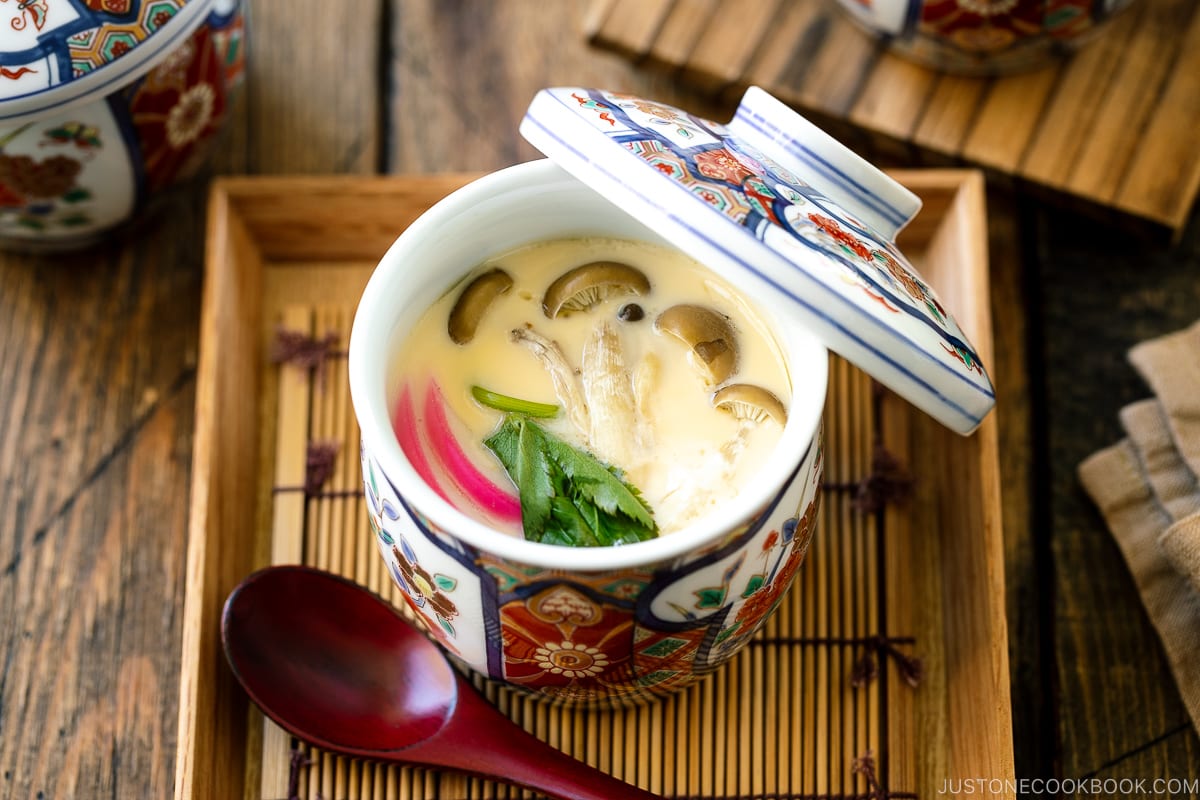
Chawanmushi
Savory Steamed Egg Custard
Appetizer course in kaiseki meal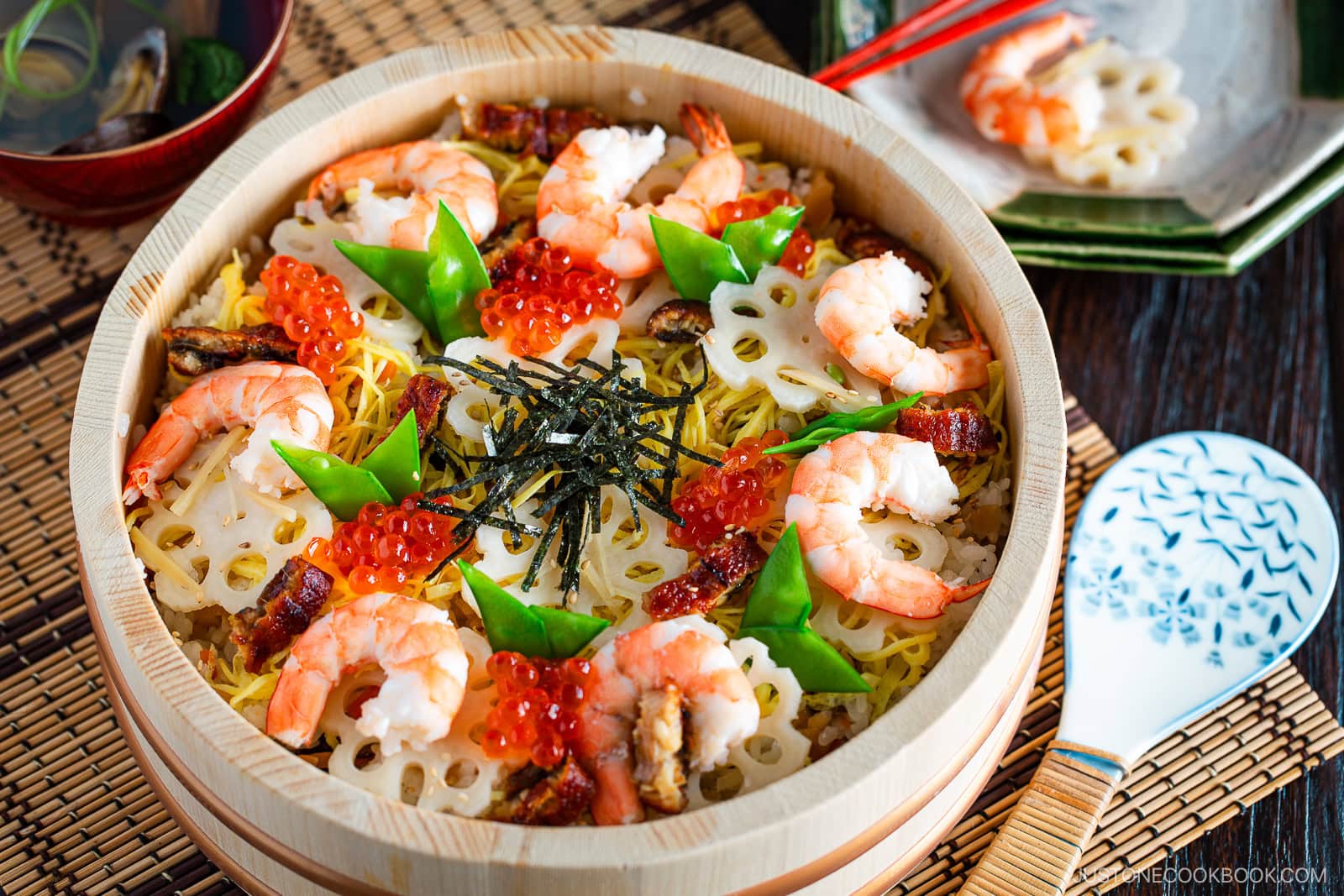 Medium
📜 Story
Medium
📜 Story
Chirashi Sushi
Scattered Sushi Bowl
Hinamatsuri (Girls' Day), celebrations, special meals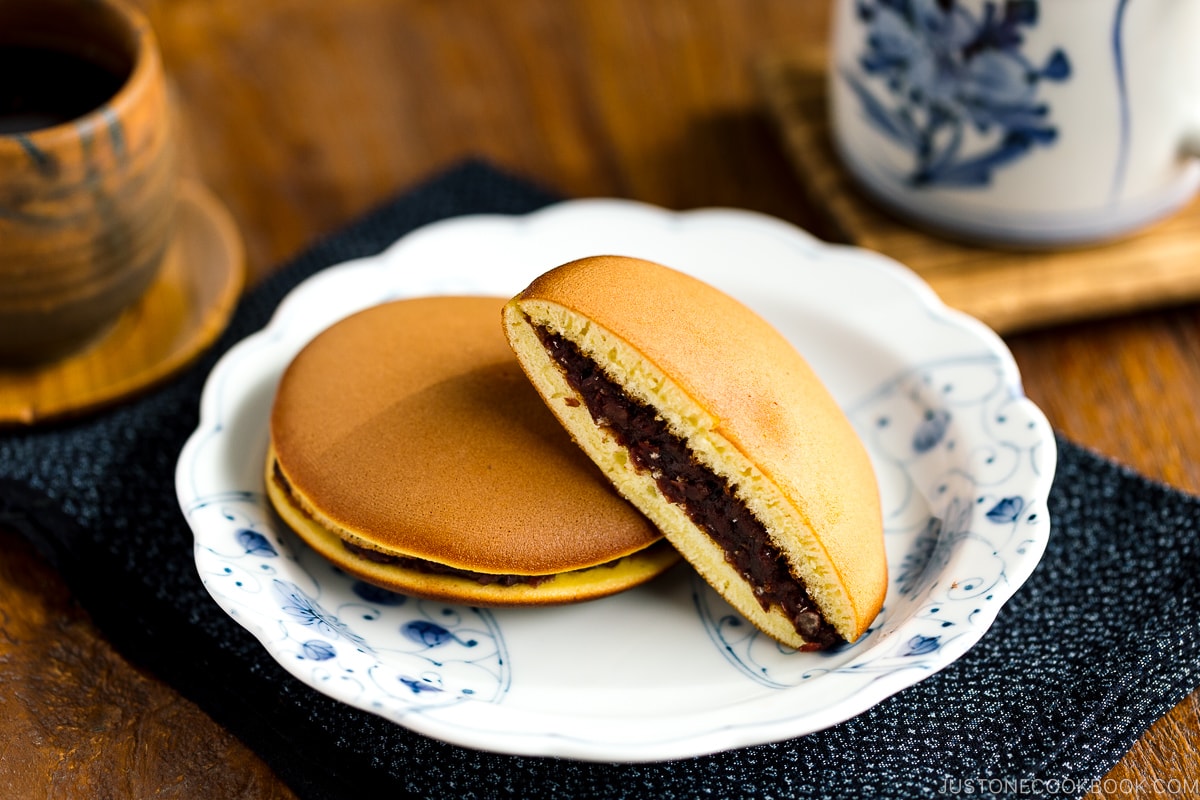 Easy
📜 Story
Easy
📜 Story
Dorayaki
Red Bean Pancake Sandwich
Afternoon tea snack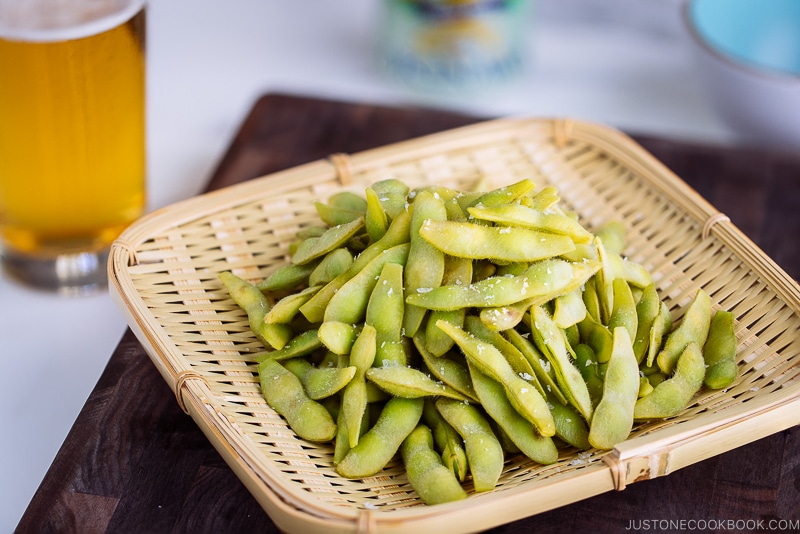 Easy
📜 Story
Easy
📜 Story
Edamame
Salted Steamed Soybeans
Pre-meal snack or beer accompaniment
Comments (0)
Log in to leave a comment.
No comments yet. Be the first to share your thoughts!