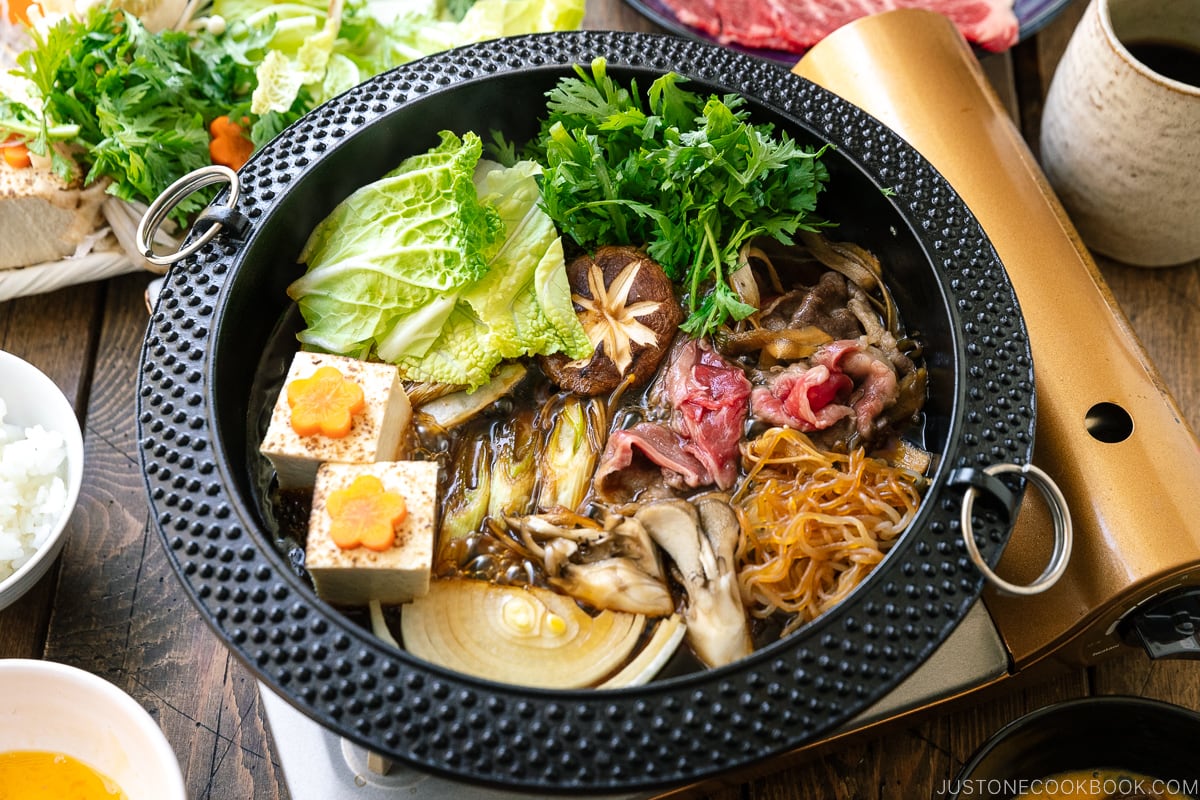
Tender slices of marbled beef simmered tableside in a sweet-savory warishita sauce with tofu, vegetables, and noodles, then dipped in beaten raw egg. A luxurious and celebratory Japanese communal dining tradition.
Nutrition & Info
Allergen Warnings
Equipment Needed
Instructions
-
1
Prepare the warishita sauce by combining soy sauce, mirin, sake, and sugar in a bowl. Stir until the sugar dissolves. Arrange all ingredients on platters for tableside cooking, keeping them separate.
-
2
Heat a cast iron skillet or sukiyaki pot on a portable burner at the table. Melt a small piece of beef suet or heat oil, then sear a few slices of beef until just browned on one side.
-
3
Pour in enough warishita sauce to cover the bottom of the pan. Add negi, napa cabbage, mushrooms, tofu, and shirataki noodles, arranging them in sections so each ingredient cooks at its own pace.
-
4
Let everything simmer gently in the sweet-savory sauce for five to eight minutes. The vegetables will release moisture and the tofu will absorb the rich braising flavors as everything melds together.
-
5
Each diner cracks a raw egg into their individual bowl and beats it lightly. Pick cooked ingredients from the pot with chopsticks and swirl them through the beaten egg before eating.
-
6
Continue adding more beef, vegetables, and sauce as ingredients are consumed. The broth grows richer with each addition. Finish with udon noodles simmered in the remaining intensely flavorful broth.
Did You Know?
The word sukiyaki may derive from suki meaning plow, as farmers reportedly cooked meat on heated plow blades in the fields. The dish became a symbol of Japan's modernization when the Meiji emperor publicly ate beef in 1872.
Chef's Notes
Equipment Tips
- cast iron skillet or sukiyaki pot
- portable burner
- individual bowls
- chopsticks
The Story Behind Sukiyaki
Sukiyaki rose to prominence during the Meiji era as Japan ended its Buddhist-influenced prohibition on eating meat. The dish symbolized Western modernization, and sukiyaki restaurants became fashionable gathering places in Yokohama and Tokyo. The Kanto and Kansai regions developed distinct styles: Tokyo-style simmers ingredients in a pre-mixed warishita sauce, while Osaka-style sears the meat first then adds seasonings directly. The 1963 hit song Ue wo Muite Arukou was renamed Sukiyaki for Western markets and topped the Billboard charts, inadvertently making the dish name globally famous even though the song has nothing to do with food.
More Japanese Dishes
 Medium
📜 Story
Medium
📜 Story
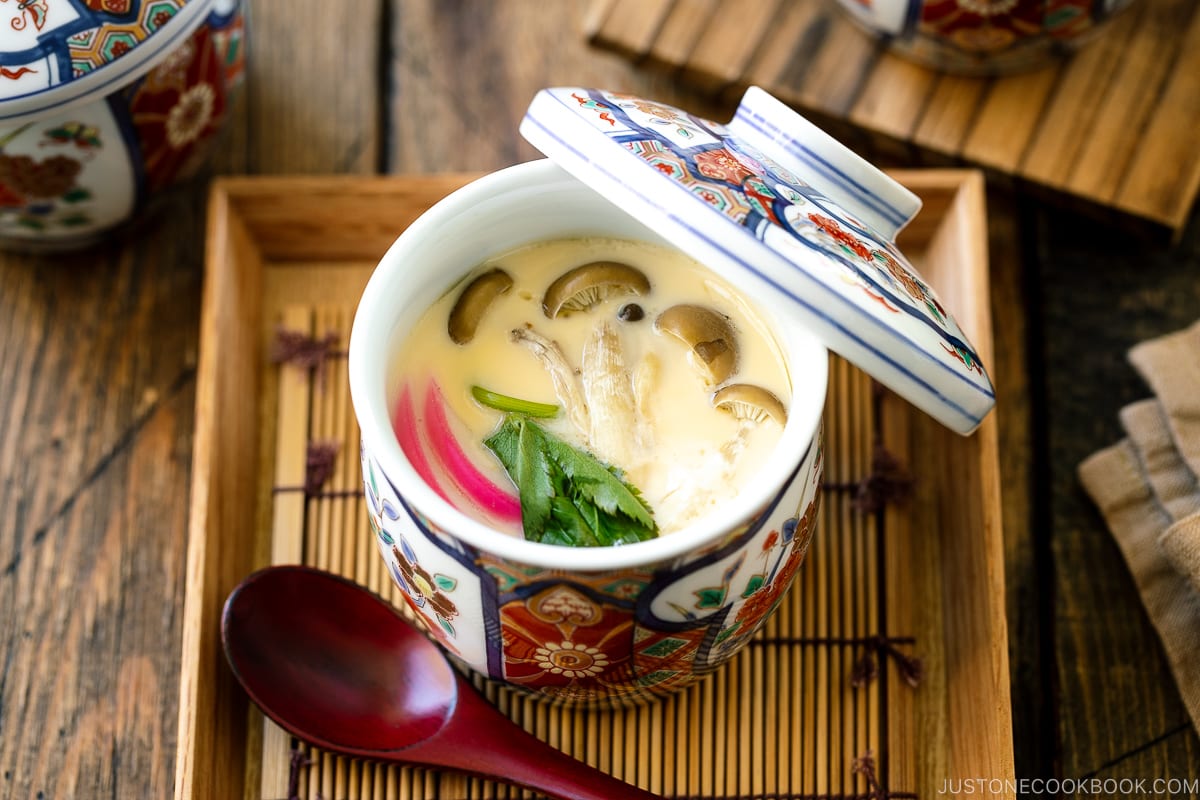
Chawanmushi
Savory Steamed Egg Custard
Appetizer course in kaiseki meal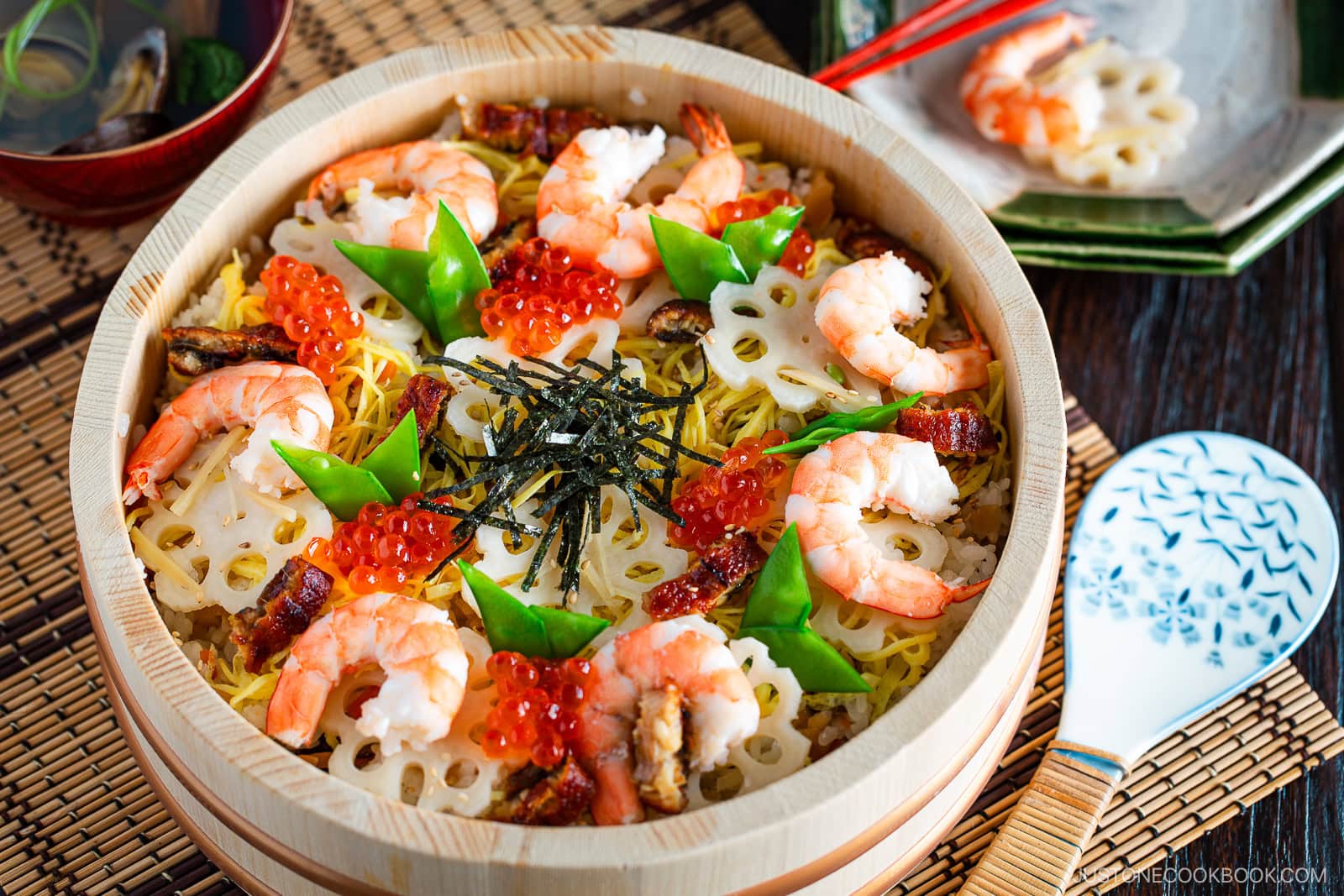 Medium
📜 Story
Medium
📜 Story
Chirashi Sushi
Scattered Sushi Bowl
Hinamatsuri (Girls' Day), celebrations, special meals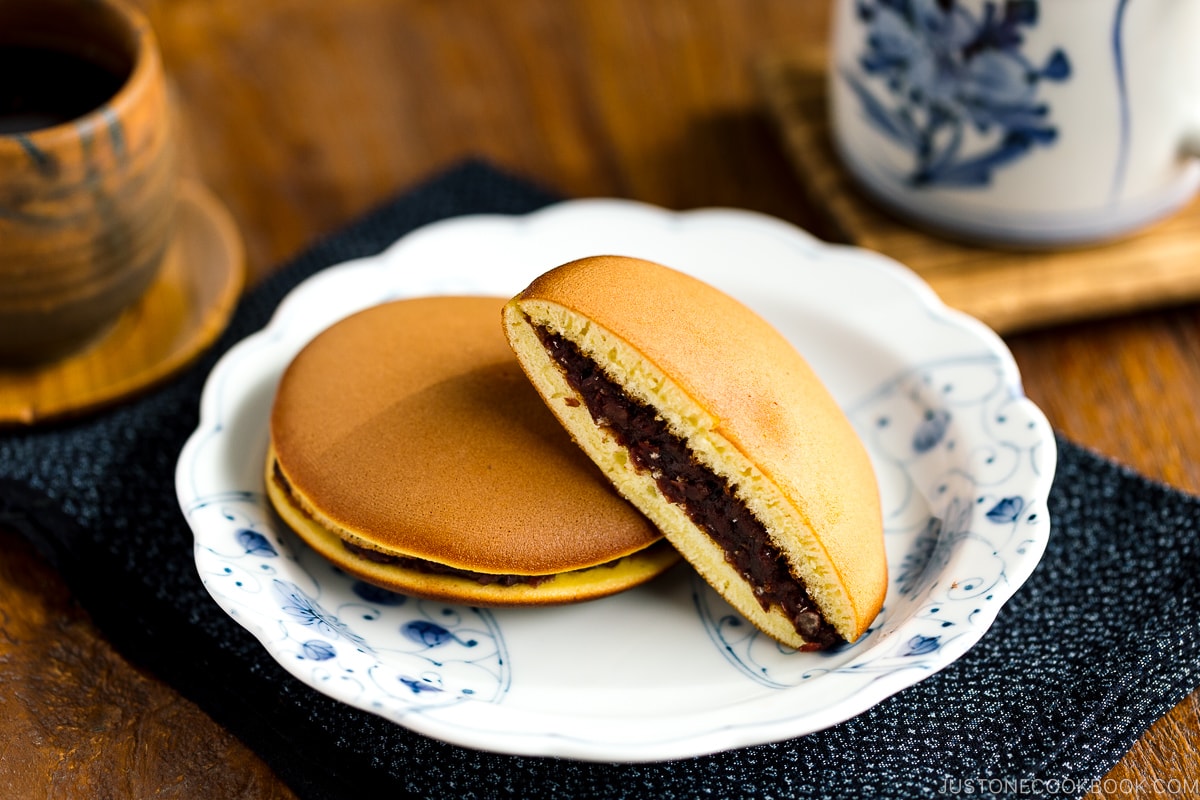 Easy
📜 Story
Easy
📜 Story
Dorayaki
Red Bean Pancake Sandwich
Afternoon tea snack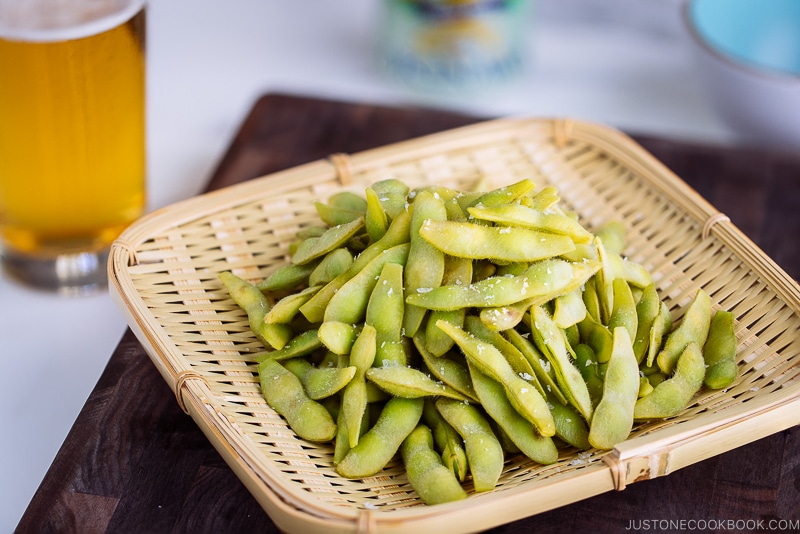 Easy
📜 Story
Easy
📜 Story
Edamame
Salted Steamed Soybeans
Pre-meal snack or beer accompaniment
Comments (0)
Log in to leave a comment.
No comments yet. Be the first to share your thoughts!