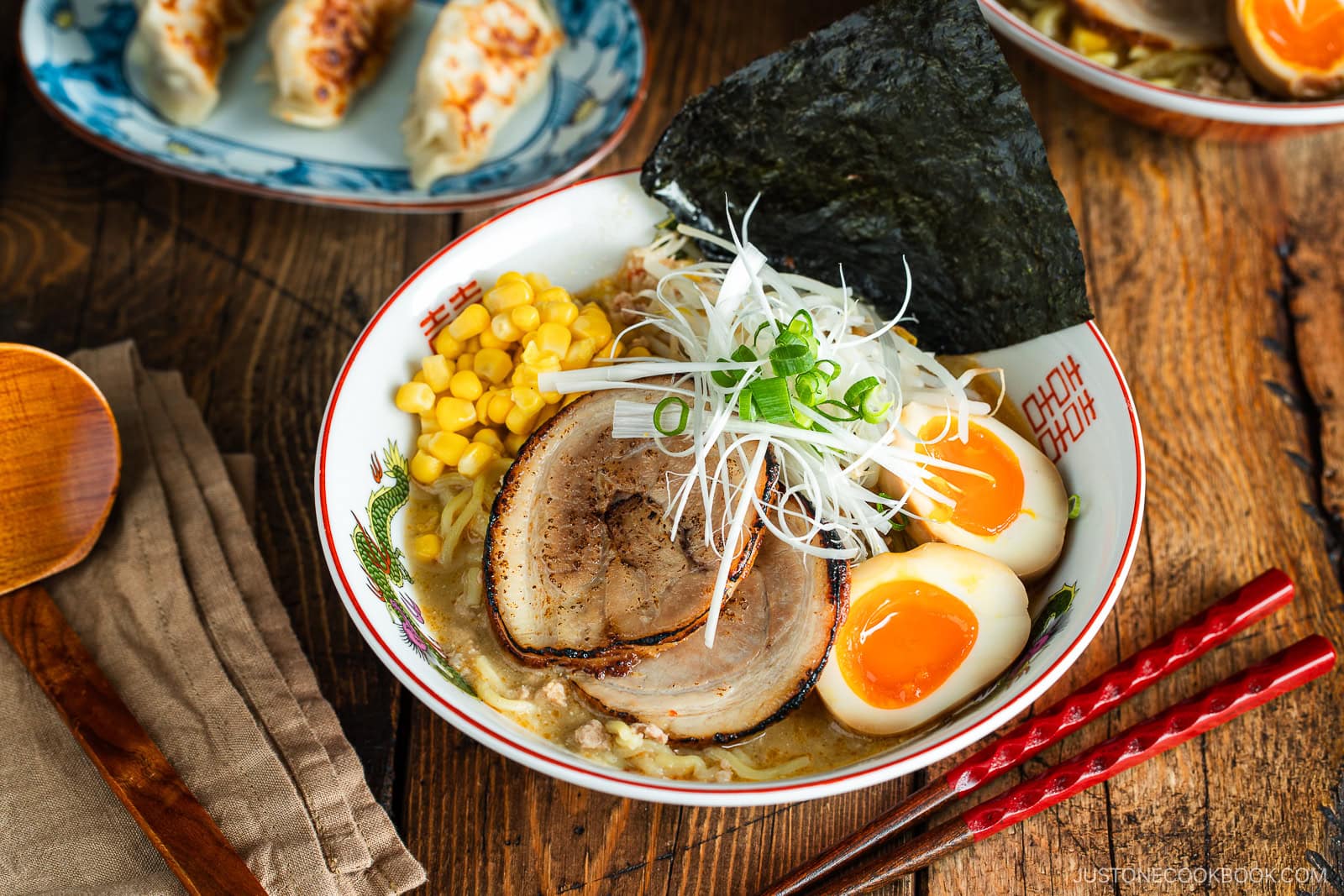
Rich chicken broth simmered hours, cradling springy noodles with tender chashu chicken, soft-boiled egg, and scallions. Uses chicken instead of traditional meat tonkotsu.
Nutrition & Info
Allergen Warnings
Equipment Needed
Presentation Guide
Vessel: deep ceramic ramen bowl (donburi)
Garnishes: soft-boiled egg (ajitama), nori sheet, green onions, sesame seeds
Accompaniments: gyoza, pickled bamboo shoots (menma), chili oil
Instructions
-
1
Rinse the chicken bones under cold running water to remove any blood or impurities, then blanch them in a pot of boiling water for two minutes. Drain, rinse again, and transfer to a clean stockpot — this double-cleaning produces a clearer broth.
-
2
Cover the cleaned bones with three litres of fresh cold water, add the sliced ginger and crushed garlic, and bring to a bare simmer over medium heat. Skim any foam, then cook at a gentle bubble for three to four hours, never allowing a full rolling boil.
-
3
While the broth simmers, prepare the chashu by braising the chicken thighs in a mixture of soy sauce, mirin, and sake in a small covered pot over low heat for forty-five minutes until very tender. Reserve the braising liquid for the tare.
-
4
Prepare the marinated eggs by lowering them into boiling water for exactly six and a half minutes, then transferring immediately to an ice bath. Peel when cool and submerge in a mixture of soy sauce, mirin, and a splash of the chashu braising liquid overnight.
-
5
Strain the finished broth through a fine-mesh sieve lined with cheesecloth, discarding all solids. You should have about two litres of rich, golden, aromatic chicken broth. Season with salt and keep warm.
-
6
Prepare the tare by combining two tablespoons of soy sauce, one tablespoon of the chashu braising liquid, and half a teaspoon of sesame oil per serving bowl. This concentrated seasoning base goes into the bowl before the broth.
-
7
Cook the ramen noodles according to package directions, draining them well and shaking off all excess water. Divide the noodles among the bowls already containing the tare, then ladle the hot broth over the noodles.
-
8
Slice the chashu chicken thighs and halve the marinated eggs lengthwise. Top each bowl with sliced chashu, a halved egg, a sheet of nori, sliced scallion greens, and a drizzle of sesame oil. Serve immediately while piping hot.
Did You Know?
Uses chicken broth instead of pork. Every Japanese city claims the best ramen style.
Chef's Notes
Equipment Tips
- large stockpot
- fine mesh strainer
- ladle
- noodle strainer basket
- deep bowls
Garnishing
soft-boiled egg (ajitama), nori sheet, green onions, sesame seeds
Accompaniments
gyoza, pickled bamboo shoots (menma), chili oil
The Story Behind ラーメン
Ramen evolved from Chinese wheat noodle soups that arrived through Yokohama's Chinatown in the late 19th century, primarily influenced by Cantonese cuisine. The first dedicated ramen shop, Rairaiken, opened in Tokyo's Asakusa district in 1910, reportedly serving 3,000 bowls on busy days. After World War II, the lifting of wheat flour controls and food vending restrictions in 1950 caused ramen to explode in popularity, and in 1958, Momofuku Ando invented instant noodles, democratizing the dish globally.
Ramen is arguably Japan's most democratic food, with over 24,000 shops across the country and roughly 5,000 in Tokyo alone. Each region has its signature style: Sapporo miso, Hakata tonkotsu, Tokyo shoyu. Ramen shops are intensely personal, with chefs spending years perfecting a single recipe. The dish symbolizes Japan's ability to absorb foreign influences and transform them into something uniquely its own.
More Japanese Dishes
 Medium
📜 Story
Medium
📜 Story
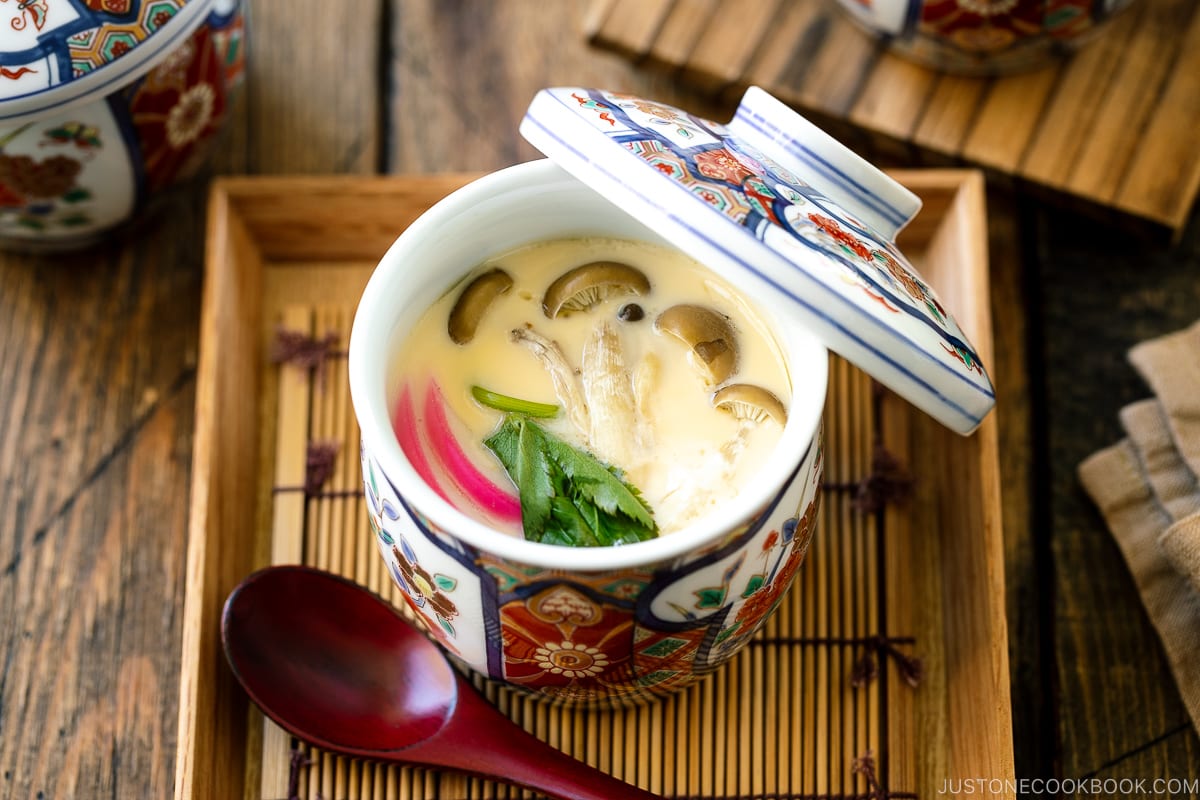
Chawanmushi
Savory Steamed Egg Custard
Appetizer course in kaiseki meal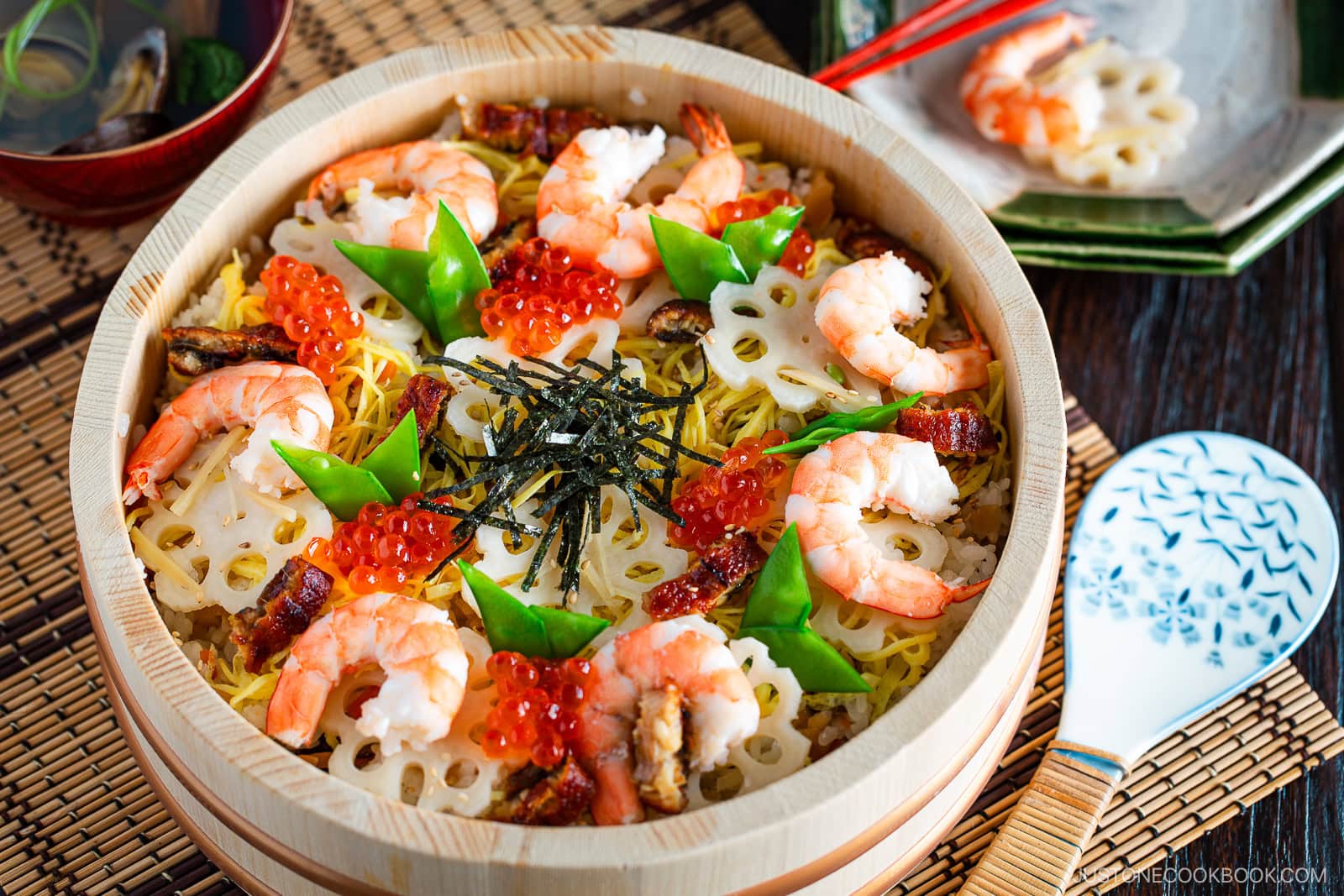 Medium
📜 Story
Medium
📜 Story
Chirashi Sushi
Scattered Sushi Bowl
Hinamatsuri (Girls' Day), celebrations, special meals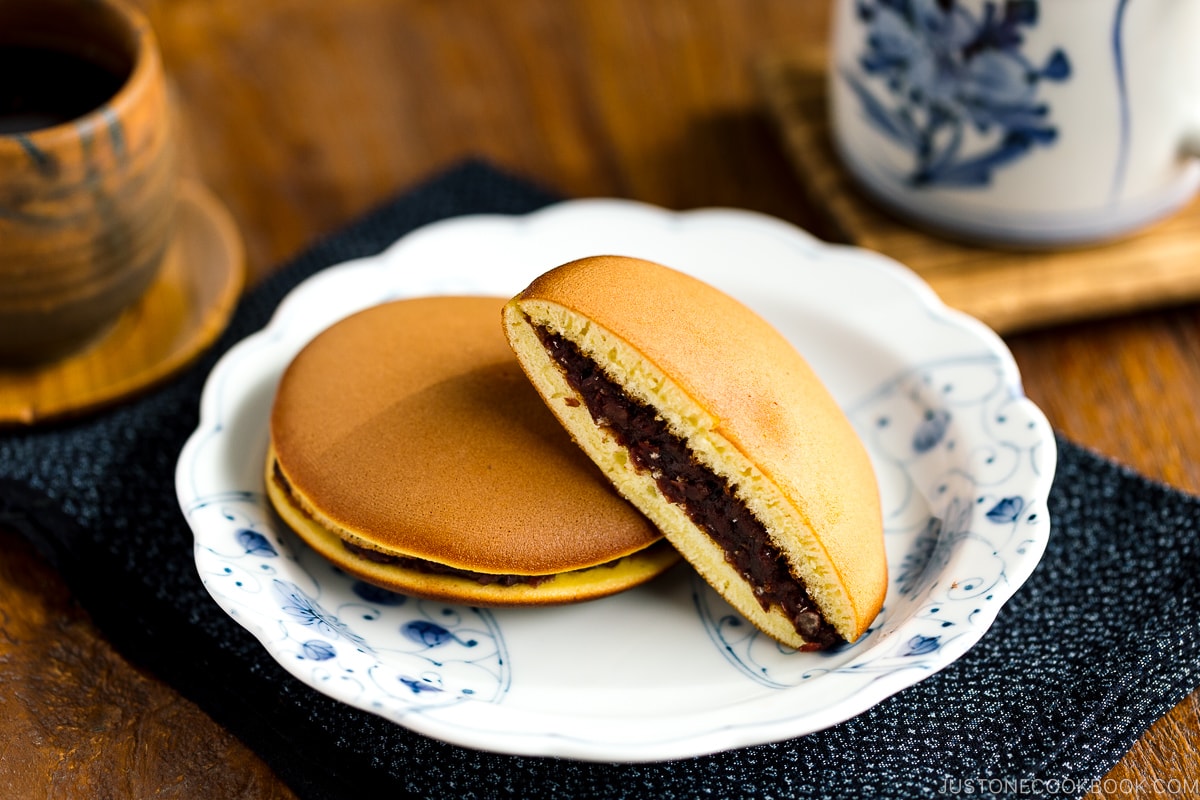 Easy
📜 Story
Easy
📜 Story
Dorayaki
Red Bean Pancake Sandwich
Afternoon tea snack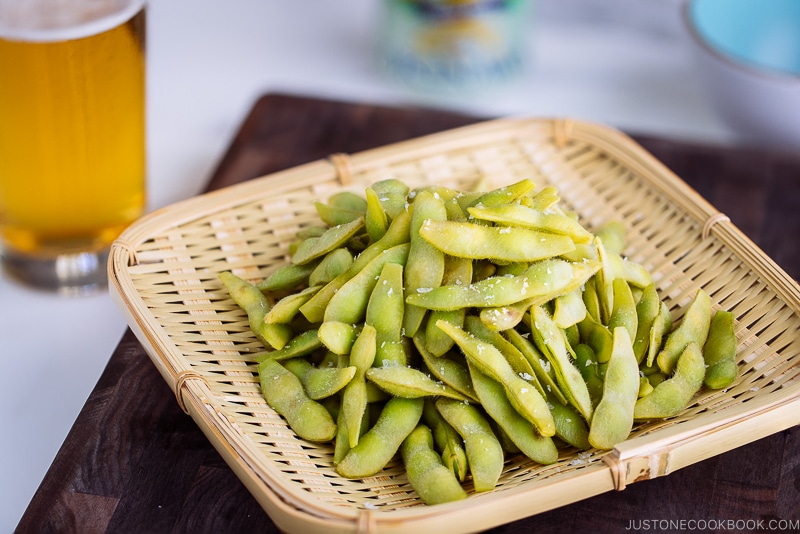 Easy
📜 Story
Easy
📜 Story
Edamame
Salted Steamed Soybeans
Pre-meal snack or beer accompaniment
Comments (1)
Log in to leave a comment.
The presentation tips really elevated this dish. Restaurant quality!