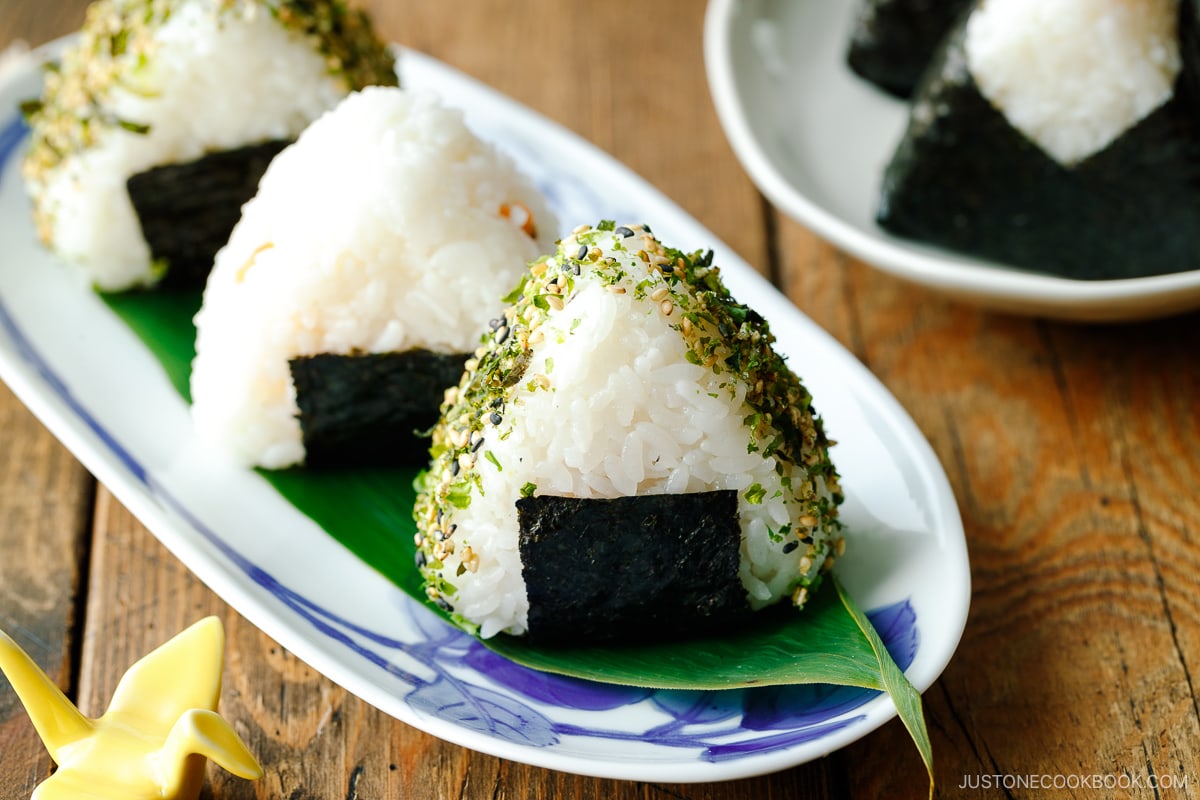
Hand-pressed triangles of seasoned rice wrapped in crisp nori seaweed, filled with savory surprises like salted salmon, pickled plum, or seasoned tuna. Japan's ultimate portable comfort food, found in every convenience store.
Nutrition & Info
Allergen Warnings
Equipment Needed
Instructions
-
1
Cook Japanese short-grain rice and let it cool until just warm enough to handle comfortably. The rice must be warm and slightly sticky for proper shaping, so do not let it cool completely.
-
2
Wet your hands thoroughly in salted water to prevent sticking and to season the rice surface. Take about half a cup of warm rice and flatten it into a rough disc in your palm.
-
3
Place a tablespoon of your chosen filling in the center of the rice disc. Options include flaked salmon, a whole pitted umeboshi, or tuna mayo. Do not overfill or the onigiri will crack.
-
4
Gently fold the rice around the filling and begin shaping with both hands, pressing firmly but not crushing. Form into a triangle shape by cupping your hands at angles and rotating the ball.
-
5
Continue pressing and rotating until the onigiri holds its triangular shape with smooth surfaces and no visible cracks. The rice should be compact enough to hold together when picked up.
-
6
Wrap a strip of nori around the base of each onigiri, pressing it gently against the rice so it adheres. Sprinkle with sesame seeds if desired and serve immediately or wrap for later.
Did You Know?
Japanese convenience stores sell over five billion onigiri every year. The ingenious packaging keeps the nori crisp and separate from the rice until the moment you unwrap it to eat.
Chef's Notes
Equipment Tips
- rice cooker
- bowl of salted water
- nori sheets
- plastic wrap
The Story Behind Onigiri
Onigiri dates back to the Heian period when warriors carried rice balls wrapped in bamboo leaves as portable battlefield rations. The earliest written reference appears in the eleventh century diary of Lady Murasaki. During the Edo period, onigiri became a standard travel food for journeys along Japan's great roads, sold at rest stops and tea houses. The invention of nori wrapping in the eighteenth century added the signature crisp seaweed element. Modern onigiri culture exploded with the rise of convenience stores in the 1970s, which turned the humble rice ball into a meticulously engineered snack food with hundreds of filling varieties.
More Japanese Dishes
 Medium
📜 Story
Medium
📜 Story
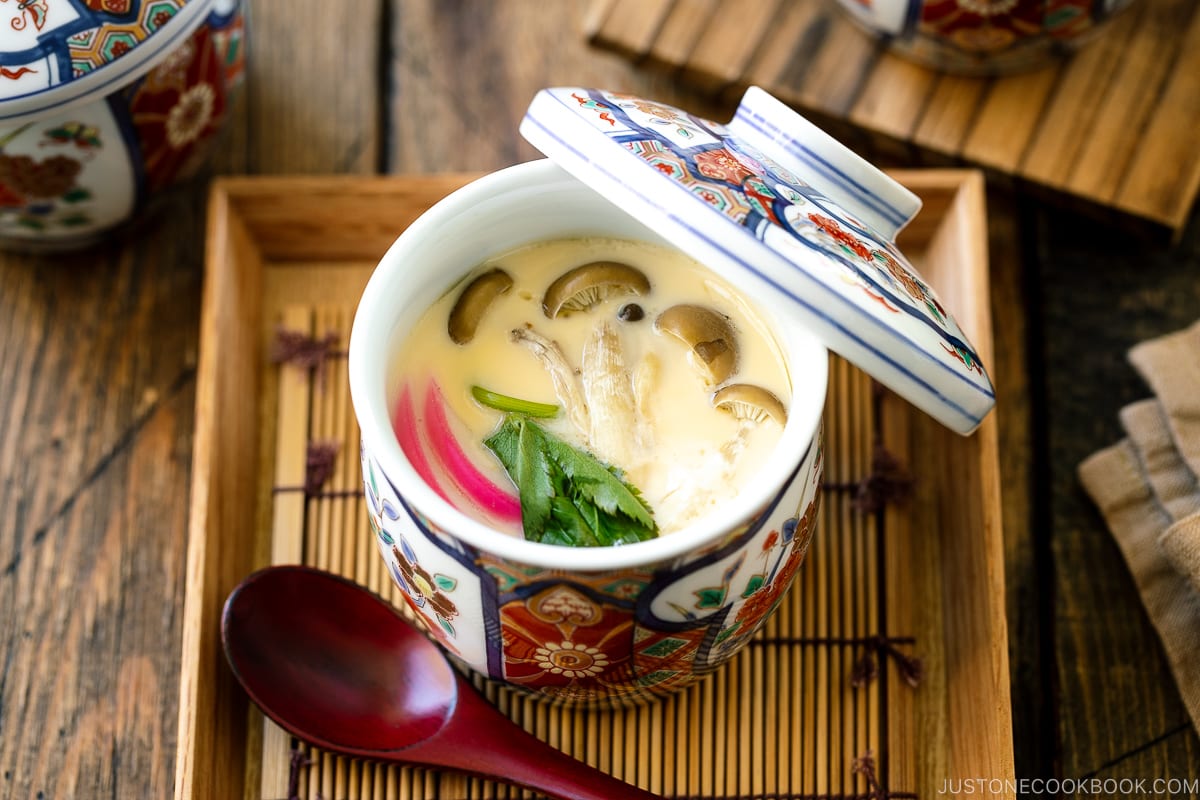
Chawanmushi
Savory Steamed Egg Custard
Appetizer course in kaiseki meal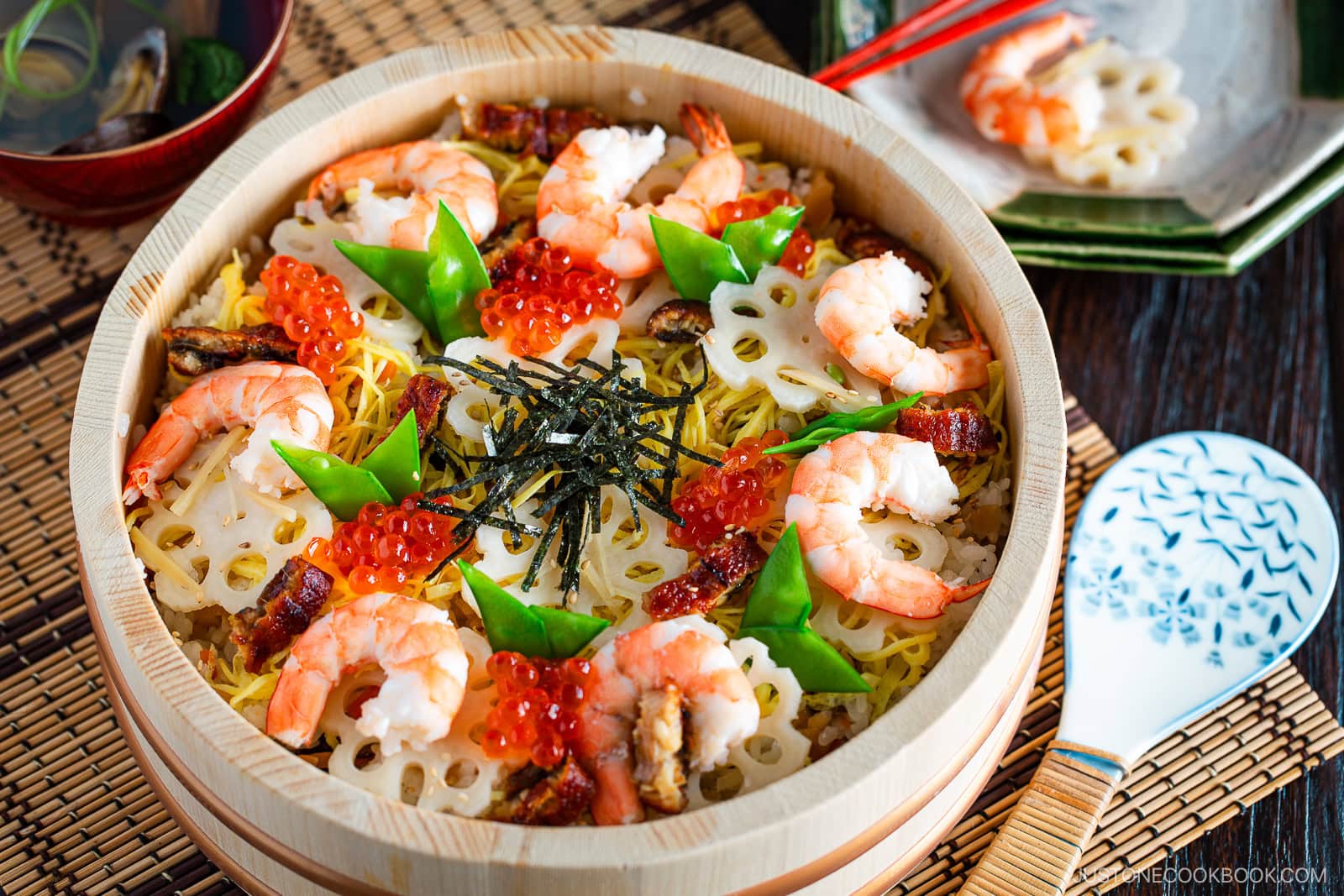 Medium
📜 Story
Medium
📜 Story
Chirashi Sushi
Scattered Sushi Bowl
Hinamatsuri (Girls' Day), celebrations, special meals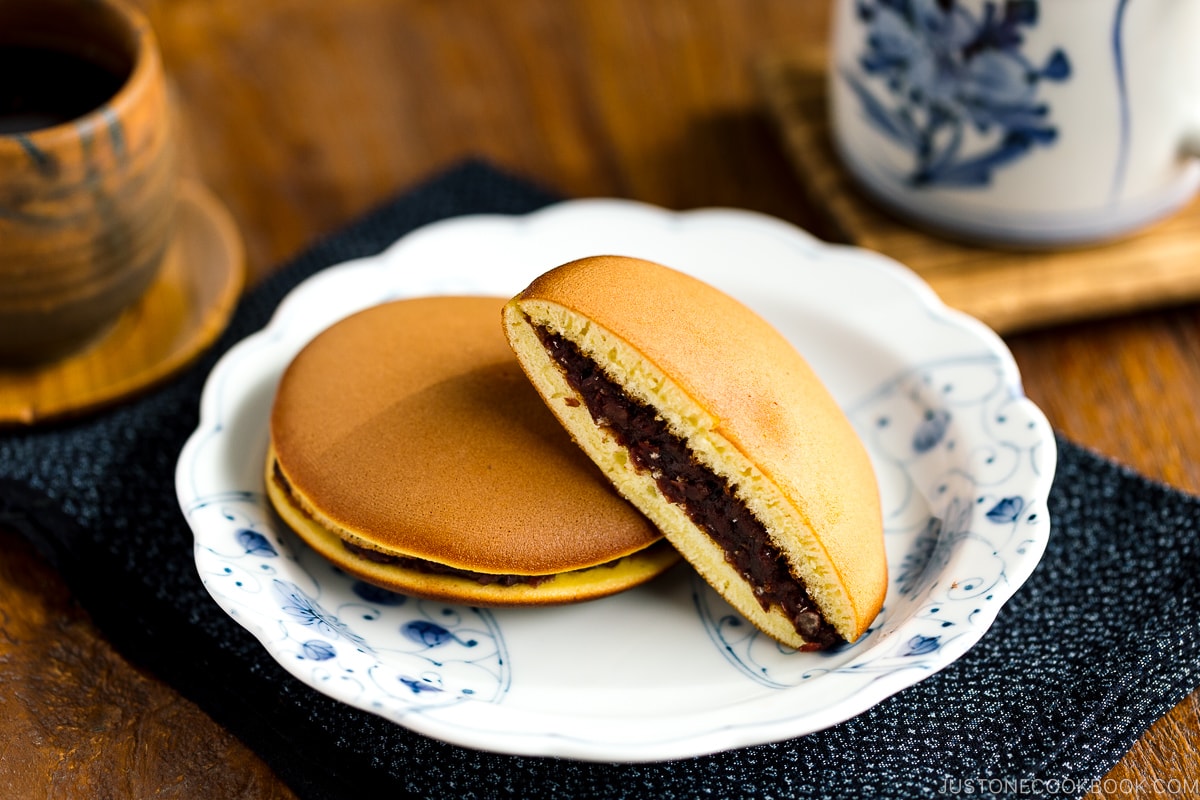 Easy
📜 Story
Easy
📜 Story
Dorayaki
Red Bean Pancake Sandwich
Afternoon tea snack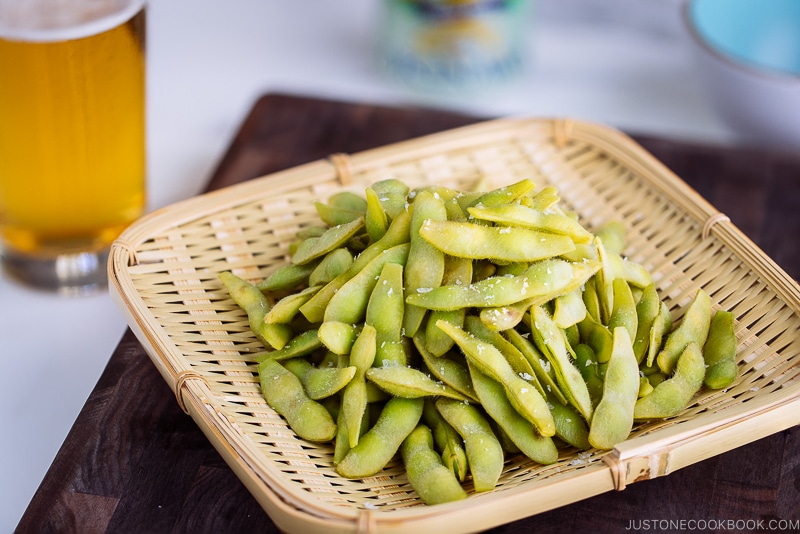 Easy
📜 Story
Easy
📜 Story
Edamame
Salted Steamed Soybeans
Pre-meal snack or beer accompaniment
Comments (0)
Log in to leave a comment.
No comments yet. Be the first to share your thoughts!