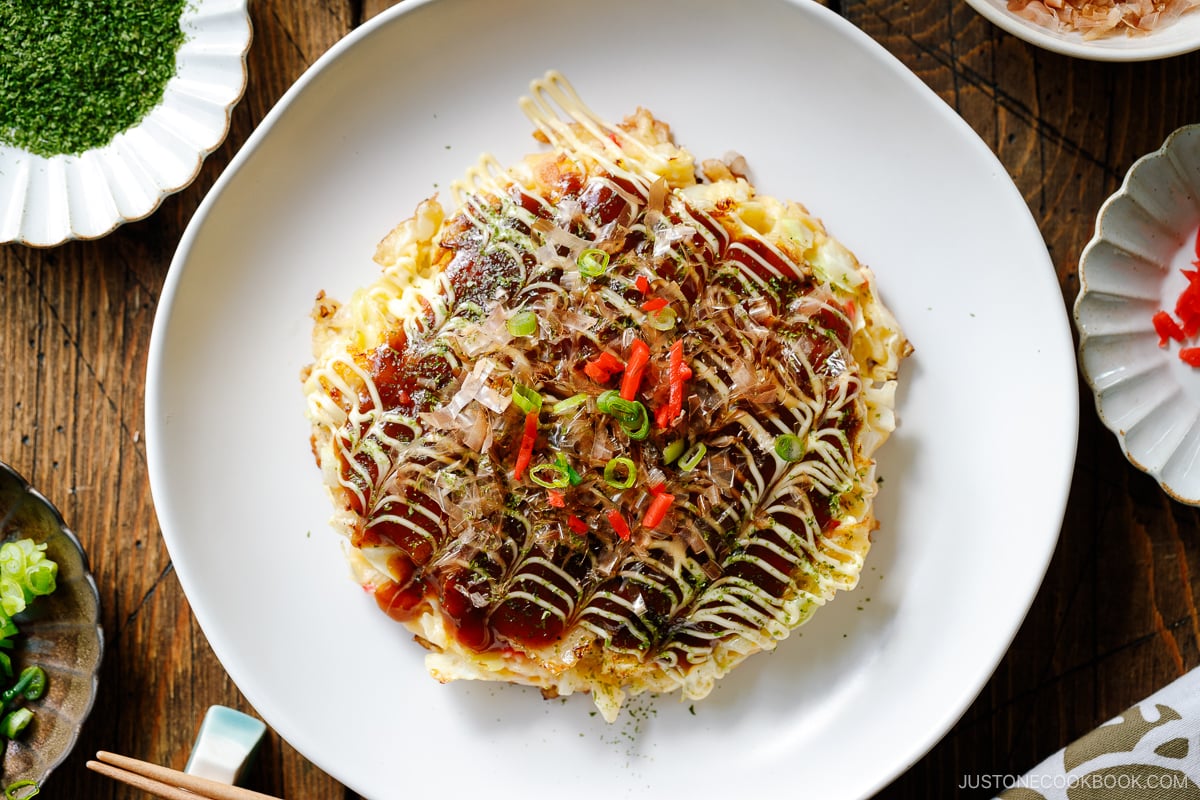
A savory pancake made from a batter of flour, eggs, shredded cabbage, and dashi, filled with various ingredients like chicken thigh, shrimp, or squid, then topped with a sweet-savory sauce, mayonnaise, bonito flakes, and aonori seaweed.
Nutrition & Info
Allergen Warnings
Equipment Needed
Presentation Guide
Vessel: served on hot plate or griddle
Garnishes: okonomiyaki sauce, Japanese mayo, bonito flakes, aonori seaweed
Instructions
-
1
Mix flour, dashi stock, and eggs into a smooth batter. It should be thick enough to coat the back of a spoon.
-
2
Fold in the shredded cabbage, green onions, tenkasu, and pickled ginger. Do not overmix — lumpy is fine and keeps it fluffy.
-
3
Heat a flat griddle or large non-stick pan over medium heat with a thin layer of oil.
-
4
Pour half the batter onto the griddle and shape into a round pancake about 1 inch thick. Do not press down.
-
5
Cook for 4-5 minutes until the bottom is golden and set. Carefully flip using two spatulas and cook the other side for 4-5 minutes.
-
6
Transfer to a plate and generously drizzle with okonomiyaki sauce and Japanese mayonnaise in a crosshatch pattern.
-
7
Top with a mound of bonito flakes (they will dance in the heat) and sprinkle with aonori seaweed. Serve immediately while hot.
Did You Know?
The name okonomiyaki literally means "grilled as you like it" — reflecting its customizable nature. Osaka and Hiroshima have rival styles and a fierce debate over which is the true okonomiyaki.
Chef's Notes
Equipment Tips
- flat griddle or large skillet
- spatula
- mixing bowl
Garnishing
okonomiyaki sauce, Japanese mayo, bonito flakes, aonori seaweed
The Story Behind お好み焼き (Okonomiyaki)
The roots of okonomiyaki trace back to the 16th century, when tea master Sen no Rikyu served funoyaki, a thin flour pancake with miso. The modern savory version evolved from issen yoshoku, cheap one-cent Western-style crepes popular in Kyoto during the Taisho period (1912-1926). The name 'okonomiyaki,' meaning 'grilled as you like it,' first appeared in 1930s Osaka. In Hiroshima, the dish took on special significance after the atomic bombing in 1945, when survivors used whatever ingredients were available to make affordable, filling meals on improvised griddles.
Okonomiyaki represents the democratic, improvisational spirit of Japanese home cooking. Osaka and Hiroshima have a friendly rivalry over whose version is superior: Osaka-style mixes all ingredients into the batter, while Hiroshima-style layers them with yakisoba noodles. In Osaka, it is a point of civic pride, and the city is sometimes called 'the kitchen of Japan' partly because of its street food culture centered around okonomiyaki and takoyaki.
More Japanese Dishes
 Medium
📜 Story
Medium
📜 Story
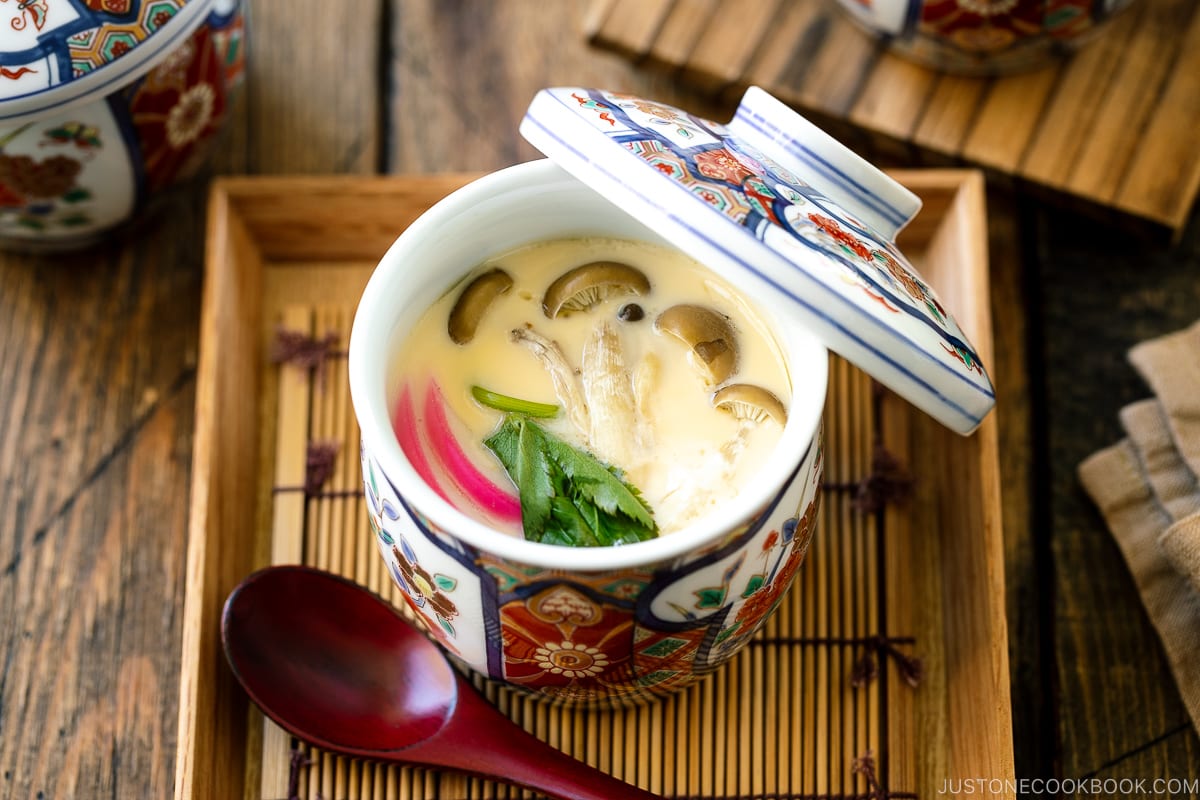
Chawanmushi
Savory Steamed Egg Custard
Appetizer course in kaiseki meal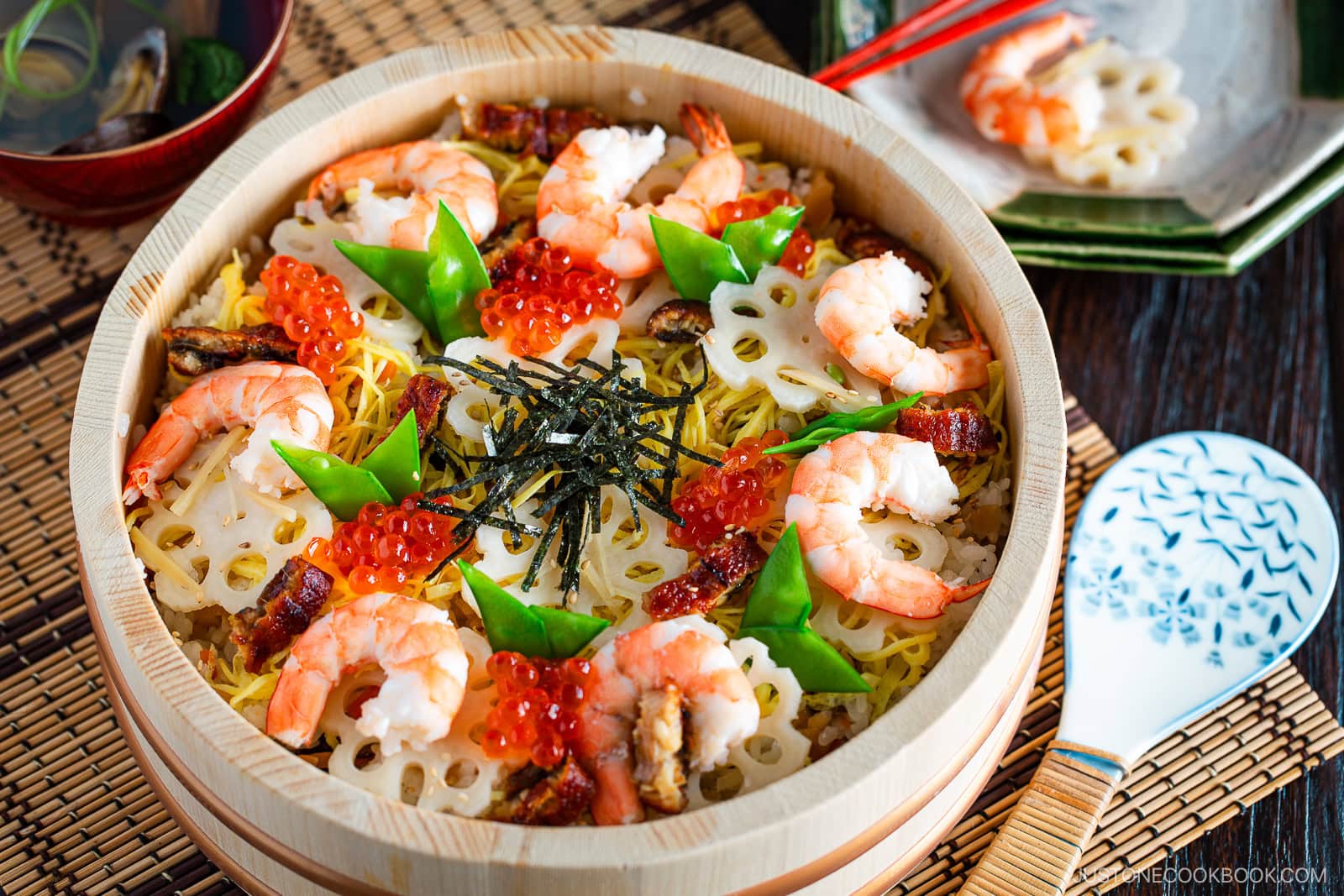 Medium
📜 Story
Medium
📜 Story
Chirashi Sushi
Scattered Sushi Bowl
Hinamatsuri (Girls' Day), celebrations, special meals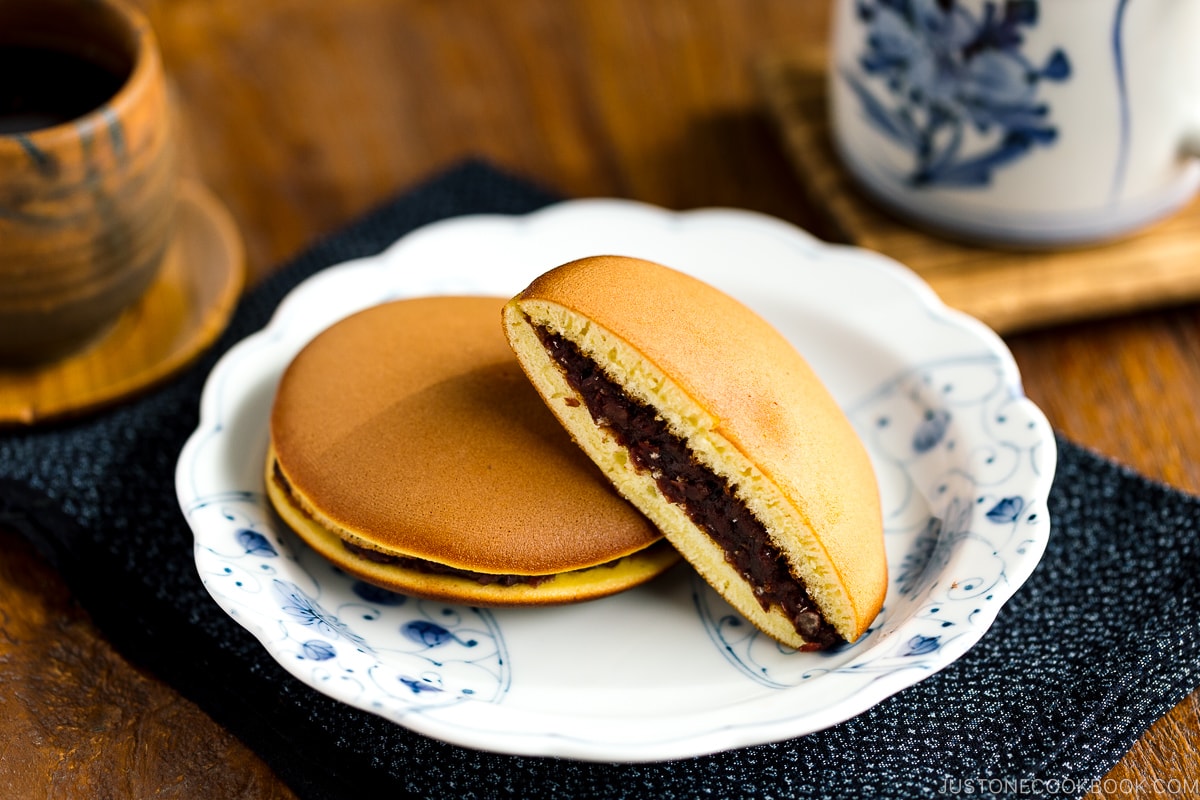 Easy
📜 Story
Easy
📜 Story
Dorayaki
Red Bean Pancake Sandwich
Afternoon tea snack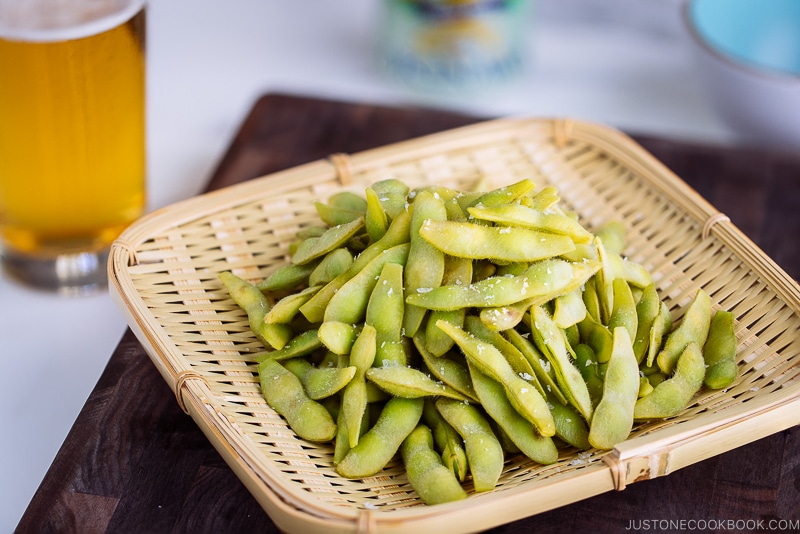 Easy
📜 Story
Easy
📜 Story
Edamame
Salted Steamed Soybeans
Pre-meal snack or beer accompaniment
Comments (0)
Log in to leave a comment.
No comments yet. Be the first to share your thoughts!