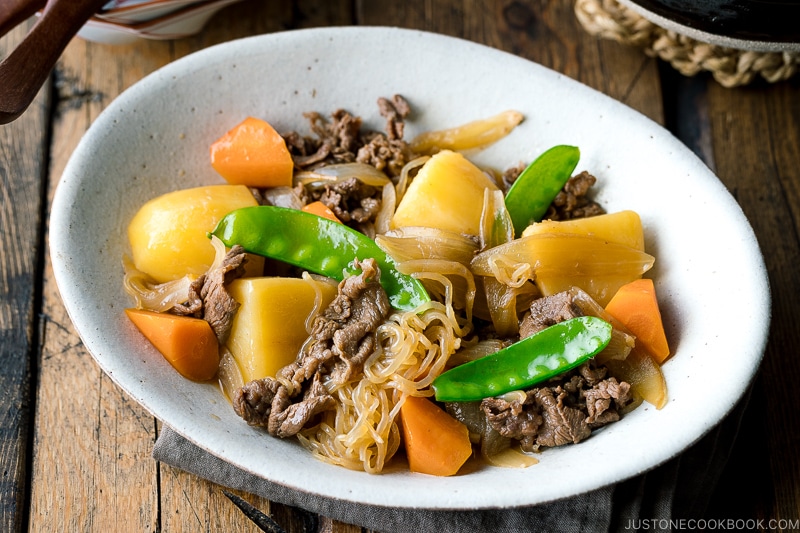
A homestyle stew of tender beef, fluffy potatoes, and sweet onions braised in a comforting soy-mirin broth until the flavors meld into pure warmth. Often called the taste of mother's cooking in Japan.
Nutrition & Info
Allergen Warnings
Equipment Needed
Instructions
-
1
Heat vegetable oil in a large pot over medium-high heat. Add the thinly sliced beef and cook for two minutes, stirring to separate the slices until they are just browned on the edges.
-
2
Add onion wedges and carrot chunks to the pot with the beef. Stir-fry together for three minutes until the onions begin to soften and become translucent at the edges.
-
3
Add the quartered potatoes and drained shirataki noodles to the pot. Pour in the dashi stock and bring to a gentle boil, then skim any foam that rises to the surface.
-
4
Add soy sauce, mirin, and sugar to the simmering pot. Stir gently to distribute the seasonings, then place an otoshibuta drop lid directly on the surface of the liquid to ensure even cooking.
-
5
Simmer on medium-low heat for twenty-five minutes until the potatoes are tender and the braising liquid has reduced to a glossy sauce that clings to the ingredients without being soupy.
-
6
Remove from heat and let rest for ten minutes before serving, as the flavors deepen as the stew sits. Garnish with blanched snow peas for a pop of green color and serve with steamed rice.
Did You Know?
Legend says nikujaga was invented when a Japanese naval chef tried to recreate British beef stew for Admiral Togo but substituted soy sauce and mirin for Western seasonings, accidentally creating a national comfort food classic.
Chef's Notes
Equipment Tips
- large pot or Dutch oven
- wooden spoon
- sharp knife
- otoshibuta drop lid
The Story Behind Nikujaga
Nikujaga emerged during the Meiji era when Japan's imperial navy sought to modernize its sailors' diet by incorporating Western-style meat dishes. Admiral Heihachiro Togo, who had studied in England, reportedly requested beef stew for his crew. The naval cooks, unfamiliar with Western ingredients like wine and demi-glace, substituted soy sauce, mirin, and sugar, creating a uniquely Japanese stew. From naval kitchens, nikujaga spread to home cooking and became synonymous with ofukuro no aji or mother's cooking. Today both the cities of Maizuru and Kure claim to be the birthplace of this beloved dish.
More Japanese Dishes
 Medium
📜 Story
Medium
📜 Story
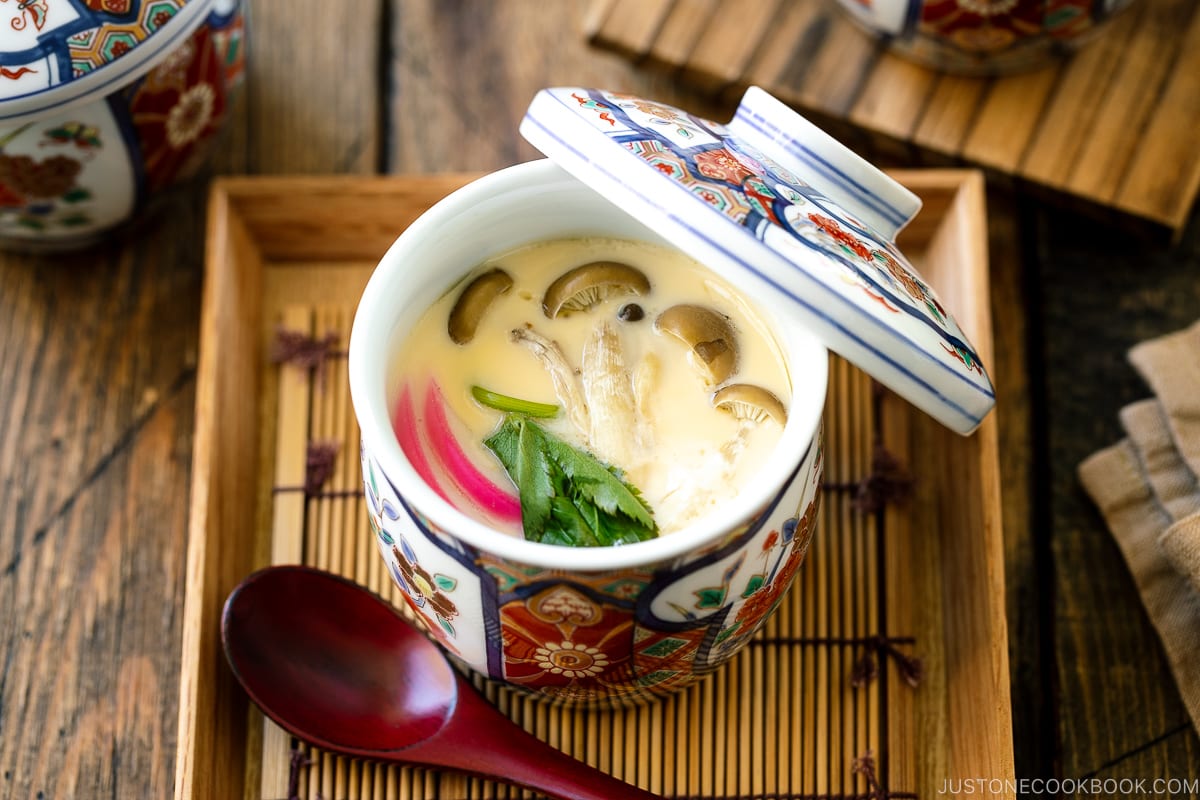
Chawanmushi
Savory Steamed Egg Custard
Appetizer course in kaiseki meal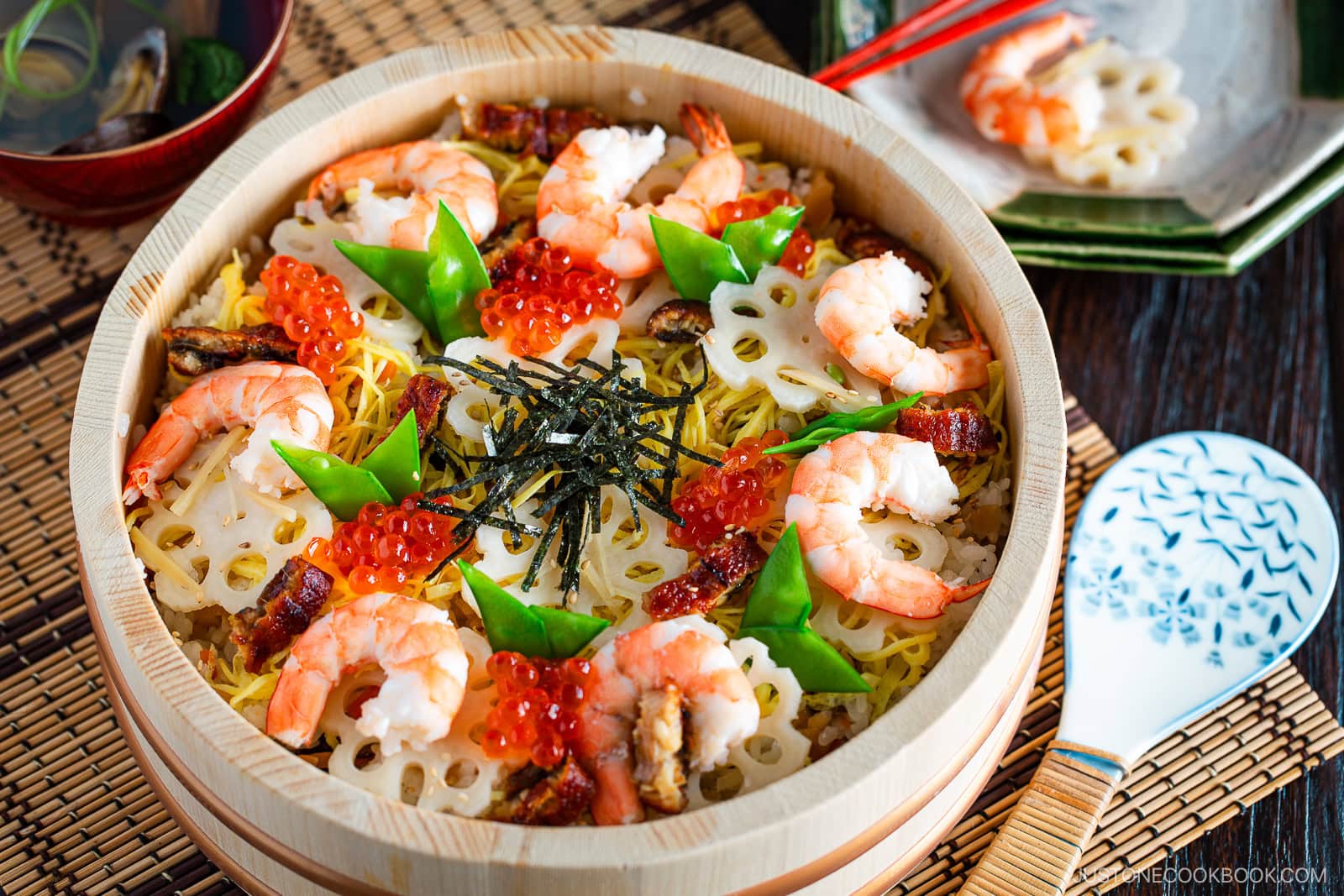 Medium
📜 Story
Medium
📜 Story
Chirashi Sushi
Scattered Sushi Bowl
Hinamatsuri (Girls' Day), celebrations, special meals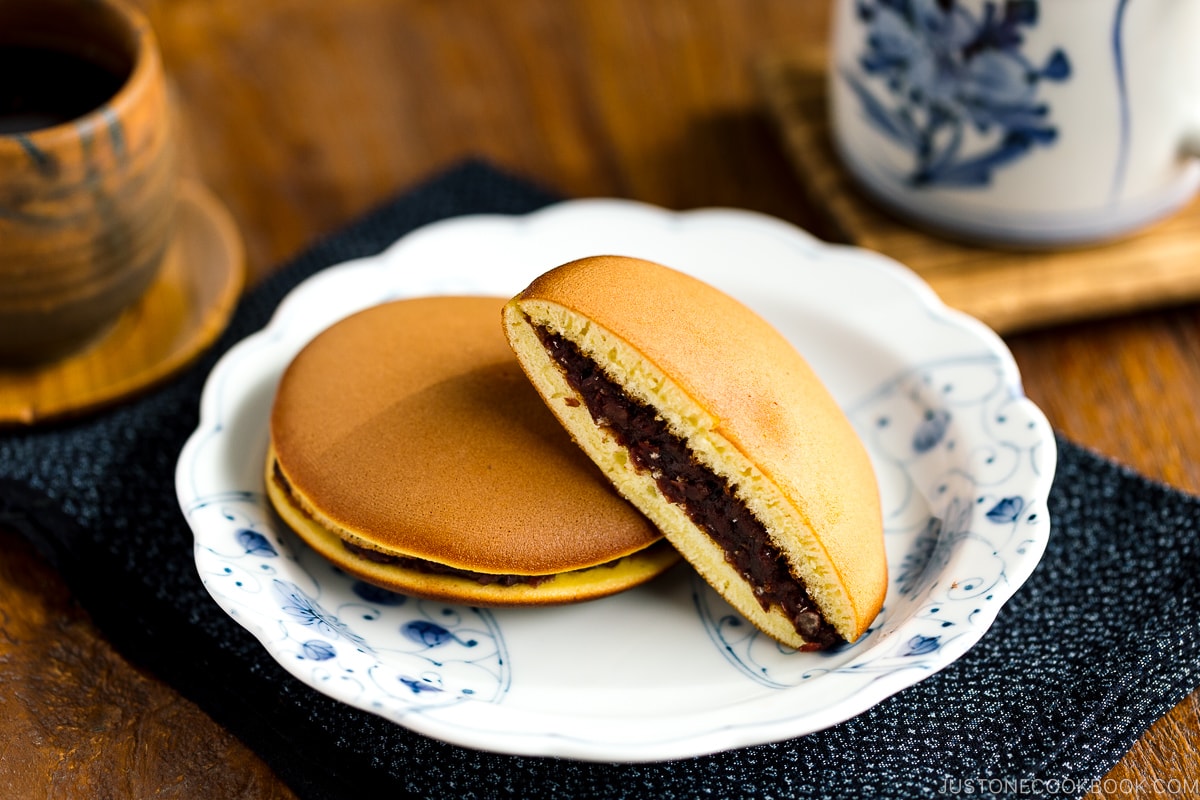 Easy
📜 Story
Easy
📜 Story
Dorayaki
Red Bean Pancake Sandwich
Afternoon tea snack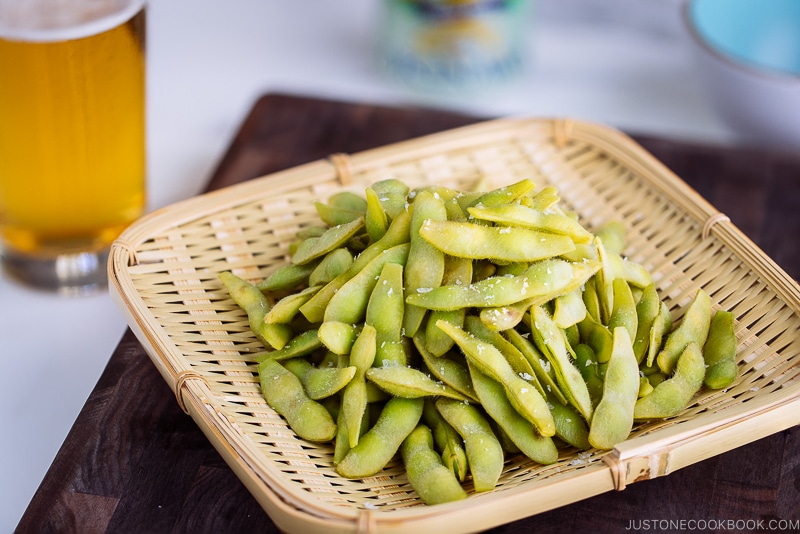 Easy
📜 Story
Easy
📜 Story
Edamame
Salted Steamed Soybeans
Pre-meal snack or beer accompaniment
Comments (0)
Log in to leave a comment.
No comments yet. Be the first to share your thoughts!