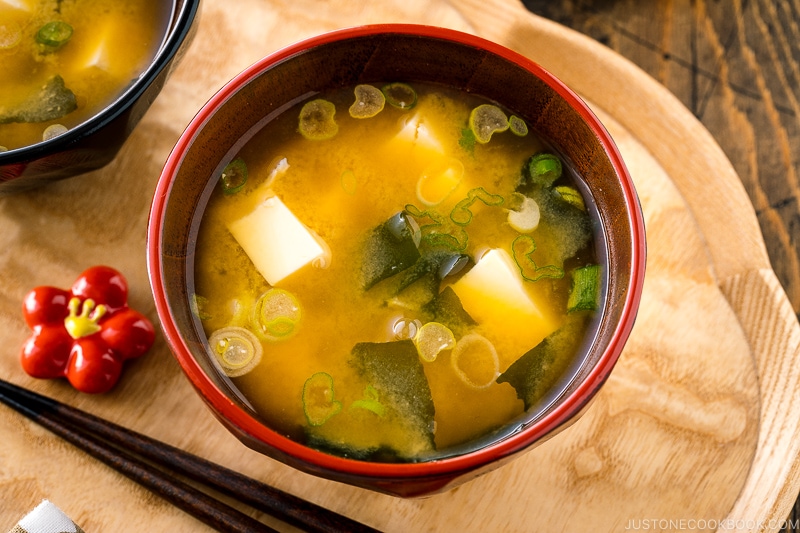
Soul-soothing dashi broth with fermented miso paste, silken tofu, and wakame seaweed. The beating heart of every Japanese meal.
Nutrition & Info
Allergen Warnings
Equipment Needed
Presentation Guide
Vessel: lacquerware bowl with lid
Garnishes: sliced scallions, wakame seaweed, tofu cubes
Instructions
-
1
Prepare the dashi by soaking a ten-centimetre piece of kombu in four cups of cold water for at least thirty minutes. Heat slowly over medium heat and remove the kombu just before the water boils, then add a handful of bonito flakes and steep for five minutes before straining.
-
2
Place the dried wakame in a small bowl of lukewarm water and let it rehydrate for five minutes until it expands and softens. Drain well and squeeze out any excess water, then set aside for adding to the soup.
-
3
Pour the prepared dashi into a saucepan and bring it to a gentle simmer over medium heat. Add the cubed silken tofu carefully to avoid breaking the delicate pieces, and let them warm through for two to three minutes.
-
4
Remove the saucepan from the heat — this is critical because miso must never be boiled, as high heat destroys the beneficial enzymes and dulls the complex, nuanced flavour of the fermented paste.
-
5
Place the miso paste in a ladle and partially submerge it in the hot dashi. Using chopsticks or a small whisk, dissolve the miso into the broth gradually, stirring the liquid in the ladle until completely smooth before releasing it into the pot.
-
6
Add the drained wakame and sliced scallions to the soup, stir gently to distribute, and serve immediately in individual bowls. Miso soup is best enjoyed fresh and should not be reheated, as boiling will compromise the flavour.
Did You Know?
Japanese eat miso soup at nearly every meal, including breakfast.
Chef's Notes
Equipment Tips
- saucepan
- ladle
- fine mesh strainer
Garnishing
sliced scallions, wakame seaweed, tofu cubes
The Story Behind 味噌汁
### The Story
Miso, the fermented soybean paste at the heart of this soup, was introduced to Japan from China and the Korean Peninsula during the Asuka period in the 7th century. For centuries, miso was a luxury -- used as payment for elites and eaten as a spread rather than dissolved in liquid. The breakthrough came during the Kamakura period (1185-1333), when Buddhist monks arriving from China brought suribachi grinding mortars that allowed miso to be dissolved in water, creating the first miso soup. This innovation shaped the foundational Japanese meal structure of "ichiju-issai" -- one soup, one side dish -- that sustained samurai warriors.
### On the Calendar
Miso soup is consumed daily in Japan, most commonly at breakfast as part of a traditional Japanese morning meal. It accompanies virtually every meal in traditional dining.
### Then & Now
During the Muromachi period, increased soybean production allowed farmers to make their own miso, democratizing the once-aristocratic ingredient. Today, miso soup varies regionally -- white miso dominates in Kyoto, red miso in Nagoya, and mixed (awase) miso in Tokyo. Instant miso soup packets have made it accessible worldwide.
### Legacy
With over 1,300 years of history, miso soup is the soul of Japanese home cooking -- a daily ritual connecting modern Japan to its ancient past.
More Japanese Dishes
 Medium
📜 Story
Medium
📜 Story
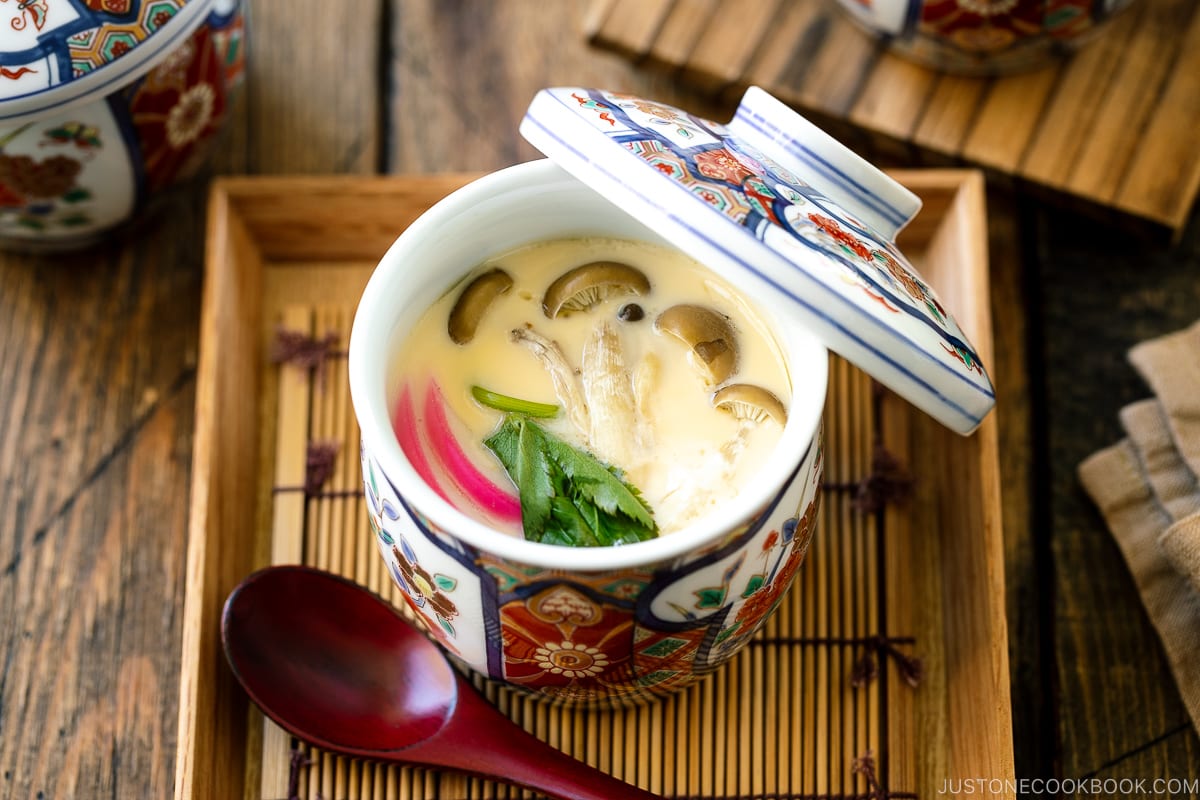
Chawanmushi
Savory Steamed Egg Custard
Appetizer course in kaiseki meal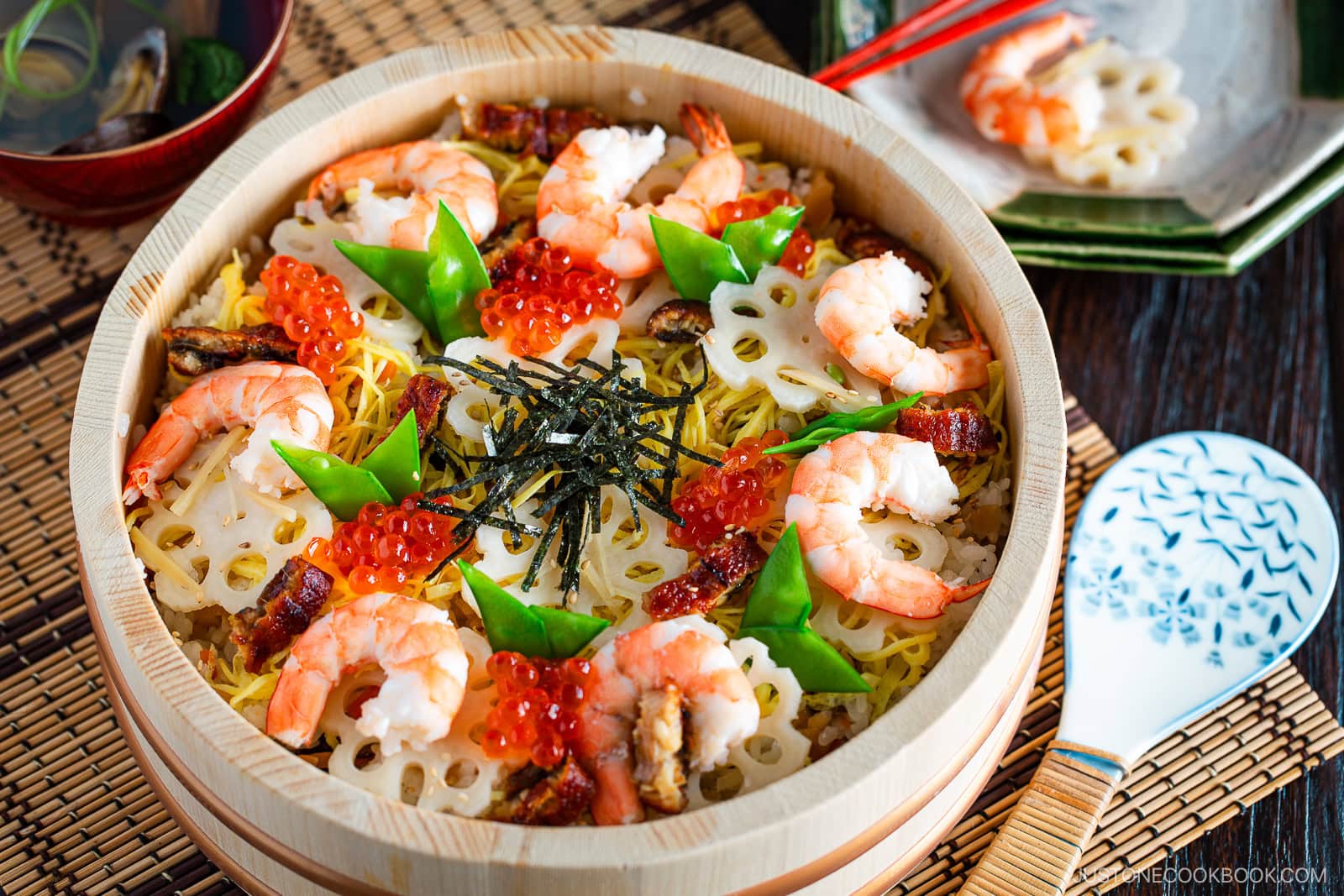 Medium
📜 Story
Medium
📜 Story
Chirashi Sushi
Scattered Sushi Bowl
Hinamatsuri (Girls' Day), celebrations, special meals Easy
📜 Story
Easy
📜 Story
Dorayaki
Red Bean Pancake Sandwich
Afternoon tea snack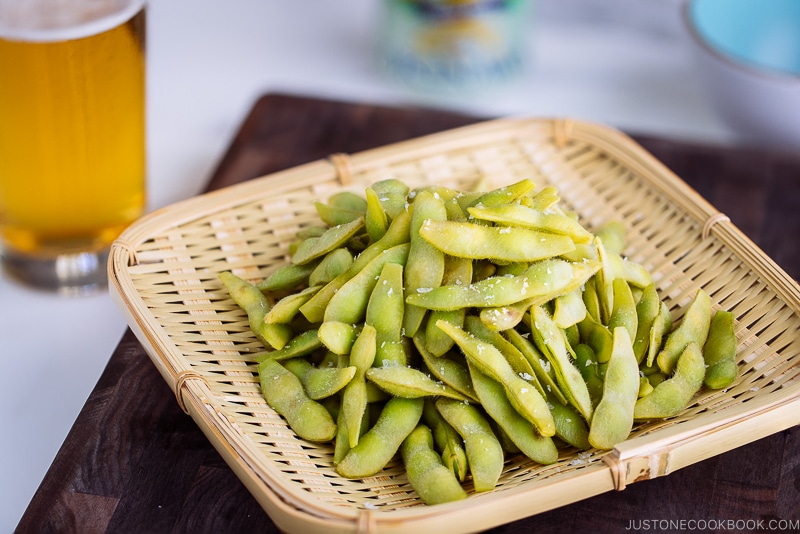 Easy
📜 Story
Easy
📜 Story
Edamame
Salted Steamed Soybeans
Pre-meal snack or beer accompaniment
Comments (0)
Log in to leave a comment.
No comments yet. Be the first to share your thoughts!