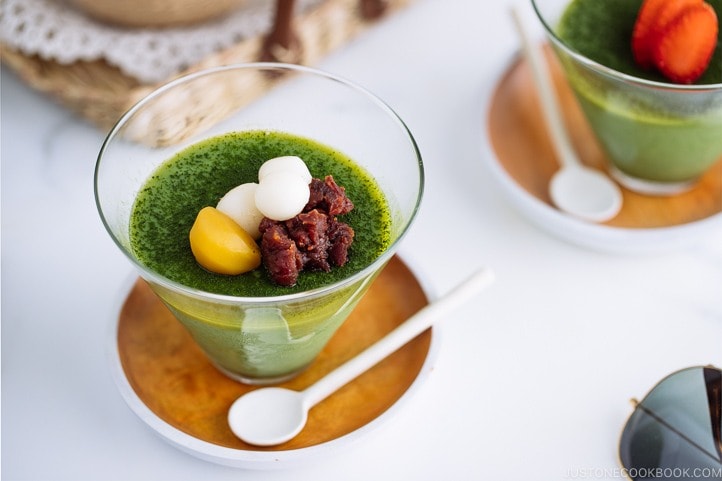
Matcha Panna Cotta
抹茶パンナコッタ (MAH-chah PAN-nah KOT-tah)
Green Tea Cream Dessert
A silky smooth chilled dessert that marries the earthy bitterness of premium matcha green tea with the luscious creaminess of sweetened cream, set to a delicate wobble with gelatin. Elegant and refreshing.
Nutrition & Info
Allergen Warnings
Equipment Needed
Instructions
-
1
Sprinkle gelatin over warm water in a small bowl and let it bloom for five minutes until it swells and becomes spongy. Sift the matcha powder through a fine mesh sieve to remove any clumps.
-
2
Heat cream, milk, and sugar in a saucepan over medium-low heat, stirring until the sugar dissolves completely. Do not let the mixture boil as this will affect the final texture of the dessert.
-
3
Remove from heat and whisk in the sifted matcha powder vigorously until fully incorporated with no visible specks. Add the bloomed gelatin and stir until completely melted and smooth throughout.
-
4
Add vanilla extract and strain the mixture through a fine sieve into a pouring jug. This ensures a perfectly smooth texture free of any undissolved matcha or gelatin lumps.
-
5
Divide the mixture evenly among four ramekins or serving glasses. Cover with plastic wrap and refrigerate for at least four hours or overnight until set with a gentle wobble.
-
6
Serve chilled, topped with a small dollop of whipped cream and a spoonful of sweet red bean paste. Garnish with a fresh mint leaf for a beautiful color contrast against the green.
Did You Know?
Ceremonial grade matcha used in this dessert can cost over two hundred dollars per hundred grams. The finest matcha comes from shade-grown tea leaves in Uji, Kyoto, harvested only once per year in spring.
Chef's Notes
Equipment Tips
- saucepan
- whisk
- fine mesh sieve
- ramekins or glasses
- matcha sifter
The Story Behind Matcha Panna Cotta
While matcha itself has been central to Japanese culture since Zen Buddhist monks brought powdered tea from China in the twelfth century, matcha desserts represent a modern fusion evolution. Traditional Japanese sweets or wagashi were always designed to complement matcha in tea ceremony, not incorporate it. The trend of using matcha as a dessert flavoring began in the late twentieth century as Japanese patissiers trained in French technique began integrating traditional ingredients into Western dessert formats. Matcha panna cotta exemplifies this cross-cultural creativity that has made matcha-flavored desserts globally popular.
More Japanese Dishes
 Medium
📜 Story
Medium
📜 Story
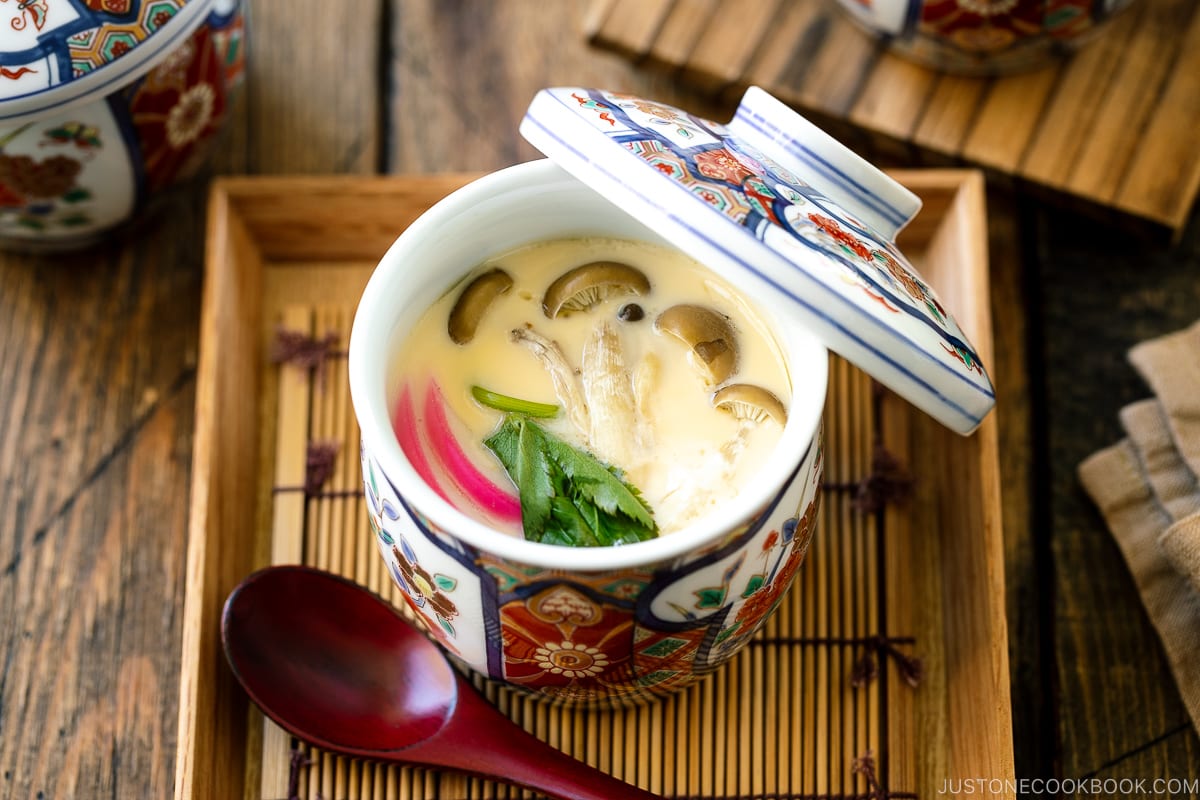
Chawanmushi
Savory Steamed Egg Custard
Appetizer course in kaiseki meal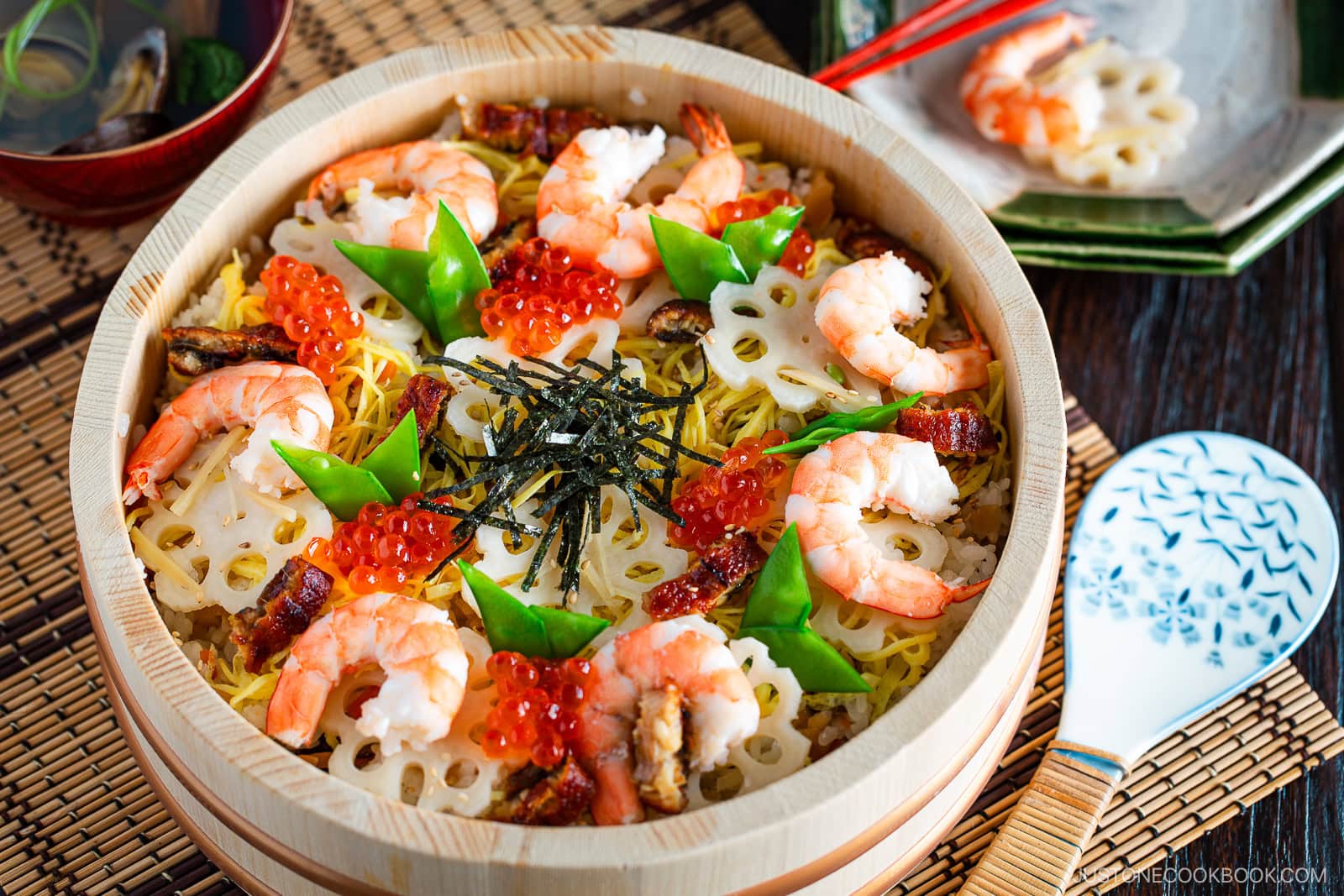 Medium
📜 Story
Medium
📜 Story
Chirashi Sushi
Scattered Sushi Bowl
Hinamatsuri (Girls' Day), celebrations, special meals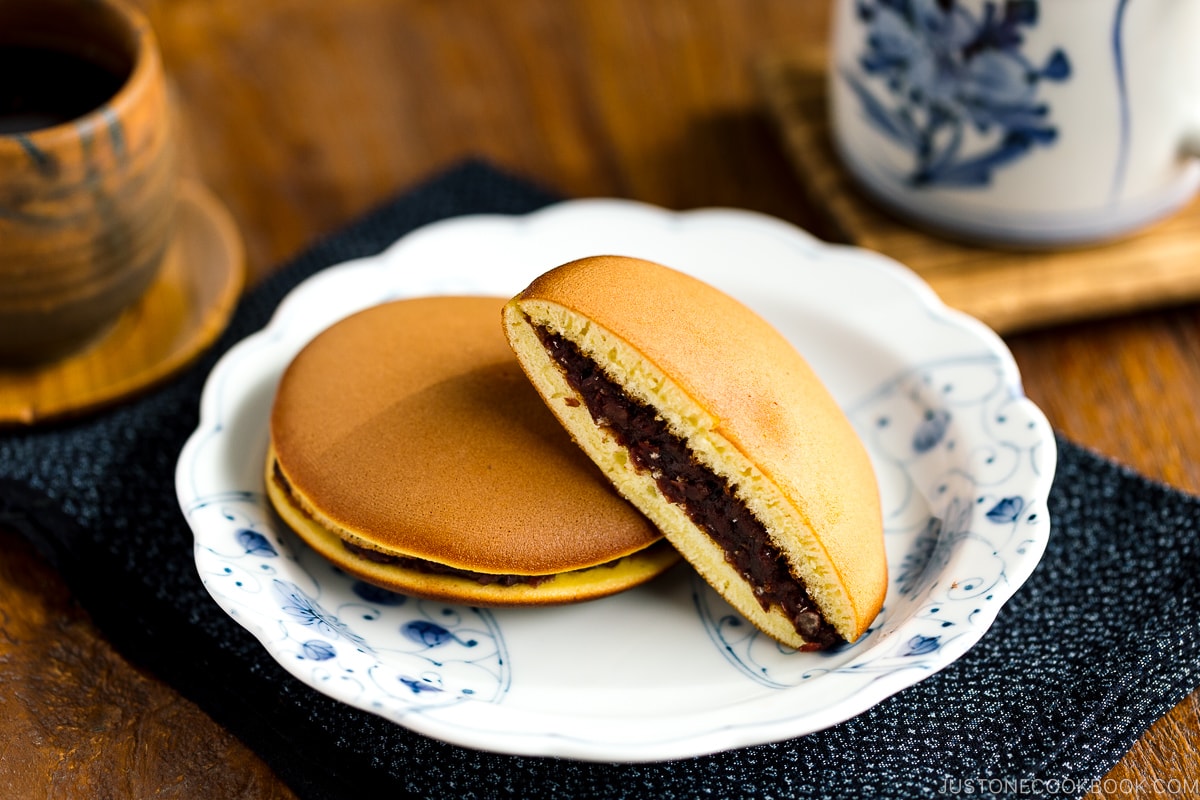 Easy
📜 Story
Easy
📜 Story
Dorayaki
Red Bean Pancake Sandwich
Afternoon tea snack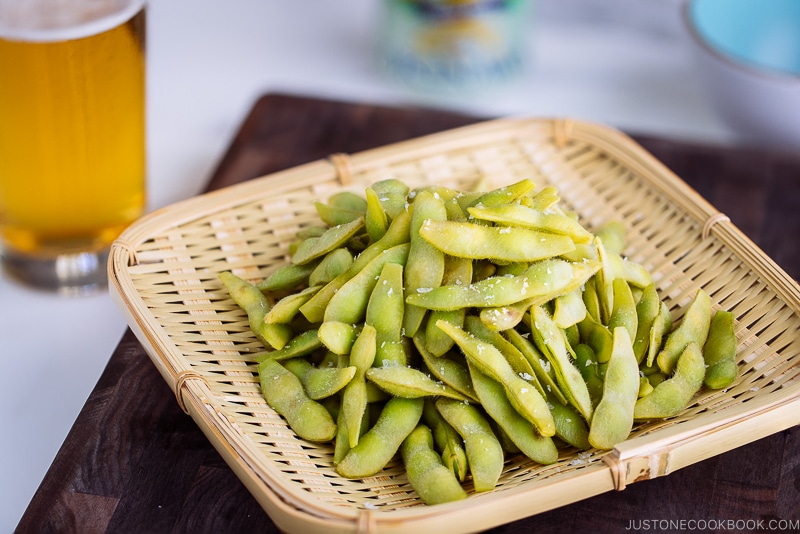 Easy
📜 Story
Easy
📜 Story
Edamame
Salted Steamed Soybeans
Pre-meal snack or beer accompaniment
Comments (0)
Log in to leave a comment.
No comments yet. Be the first to share your thoughts!