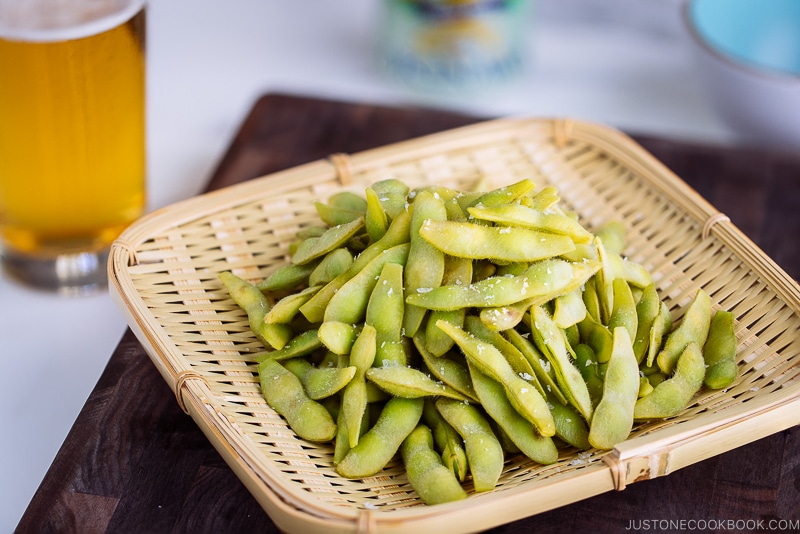
Young green soybeans steamed in their fuzzy pods and sprinkled with flaky sea salt. This addictively simple snack is the essential starter at every izakaya, perfect for sharing while drinks are poured.
Nutrition & Info
Allergen Warnings
Equipment Needed
Instructions
-
1
If using frozen edamame, no need to thaw. For fresh pods, rinse well and rub with a tablespoon of salt to remove the fuzzy coating from the pods, then rinse again under cold water.
-
2
Bring two liters of heavily salted water to a vigorous rolling boil in a large pot. The water should taste noticeably salty, as this seasons the pods during cooking from the outside in.
-
3
Add the edamame pods to the boiling water and cook for three to four minutes for frozen, or five minutes for fresh, until the beans inside are tender but still have a slight bite.
-
4
Drain immediately and optionally plunge into ice water for thirty seconds to lock in the vibrant green color. Drain thoroughly and transfer to a large serving bowl while still warm.
-
5
Toss the hot edamame with flaky sea salt, distributing it evenly across all the pods. For variety, try garlic salt, chili flakes, or a light drizzle of toasted sesame oil.
-
6
Serve warm or at room temperature in a communal bowl with an empty dish alongside for discarded pods. Eat by squeezing the beans directly from the pod into your mouth.
Did You Know?
The word edamame literally means stem beans because they were traditionally sold still attached to the stem. Japan consumes over 160,000 tons of edamame annually, much of it during summer beer garden season.
Chef's Notes
Equipment Tips
- pot
- colander
- serving bowl
The Story Behind Edamame
Edamame has been enjoyed in Japan since the Kamakura period in the thirteenth century, when monks began eating young soybeans as a simple protein-rich snack. Historical records from 1275 mention a monk writing a thank-you note for edamame gifted to him. The snack became deeply embedded in Japanese summer culture, closely associated with beer drinking and festival gatherings. During the Edo period edamame vendors became common at festivals and theater districts. The global spread of edamame accelerated in the twenty-first century as the snack gained popularity in Western health food circles for its high protein and nutrient content.
More Japanese Dishes
 Medium
📜 Story
Medium
📜 Story
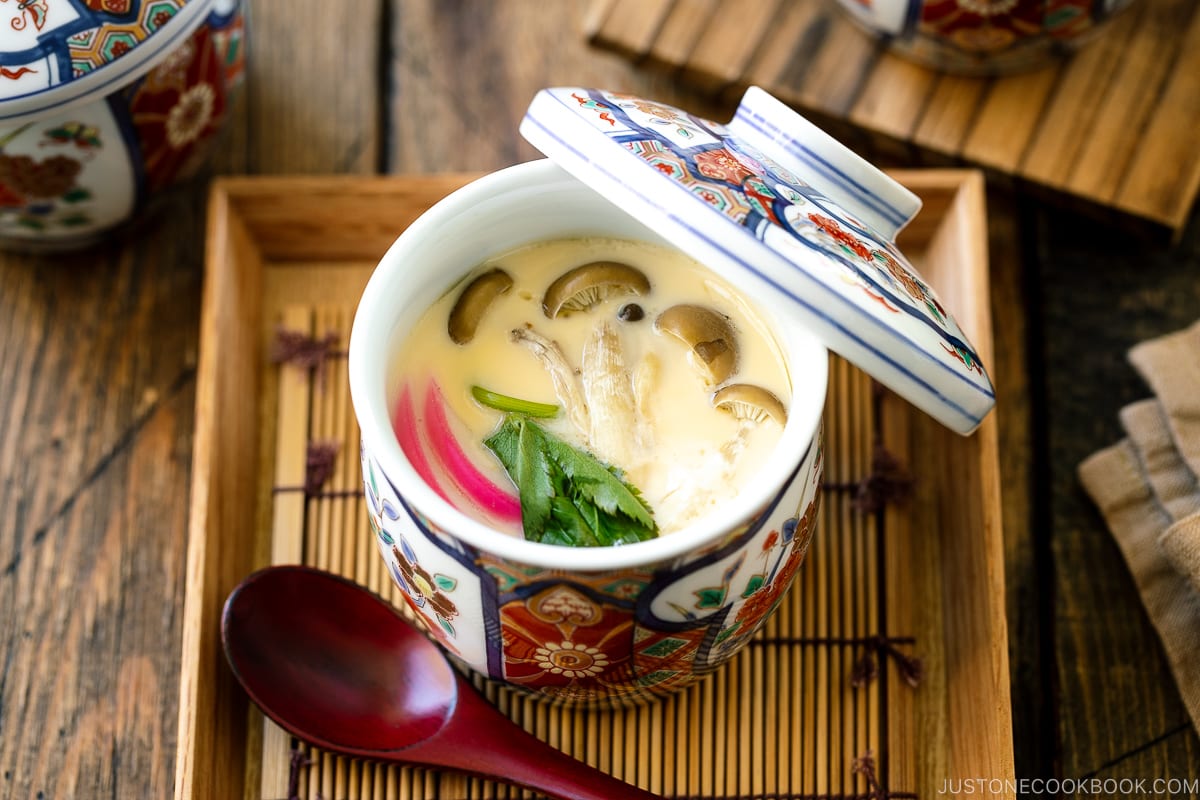
Chawanmushi
Savory Steamed Egg Custard
Appetizer course in kaiseki meal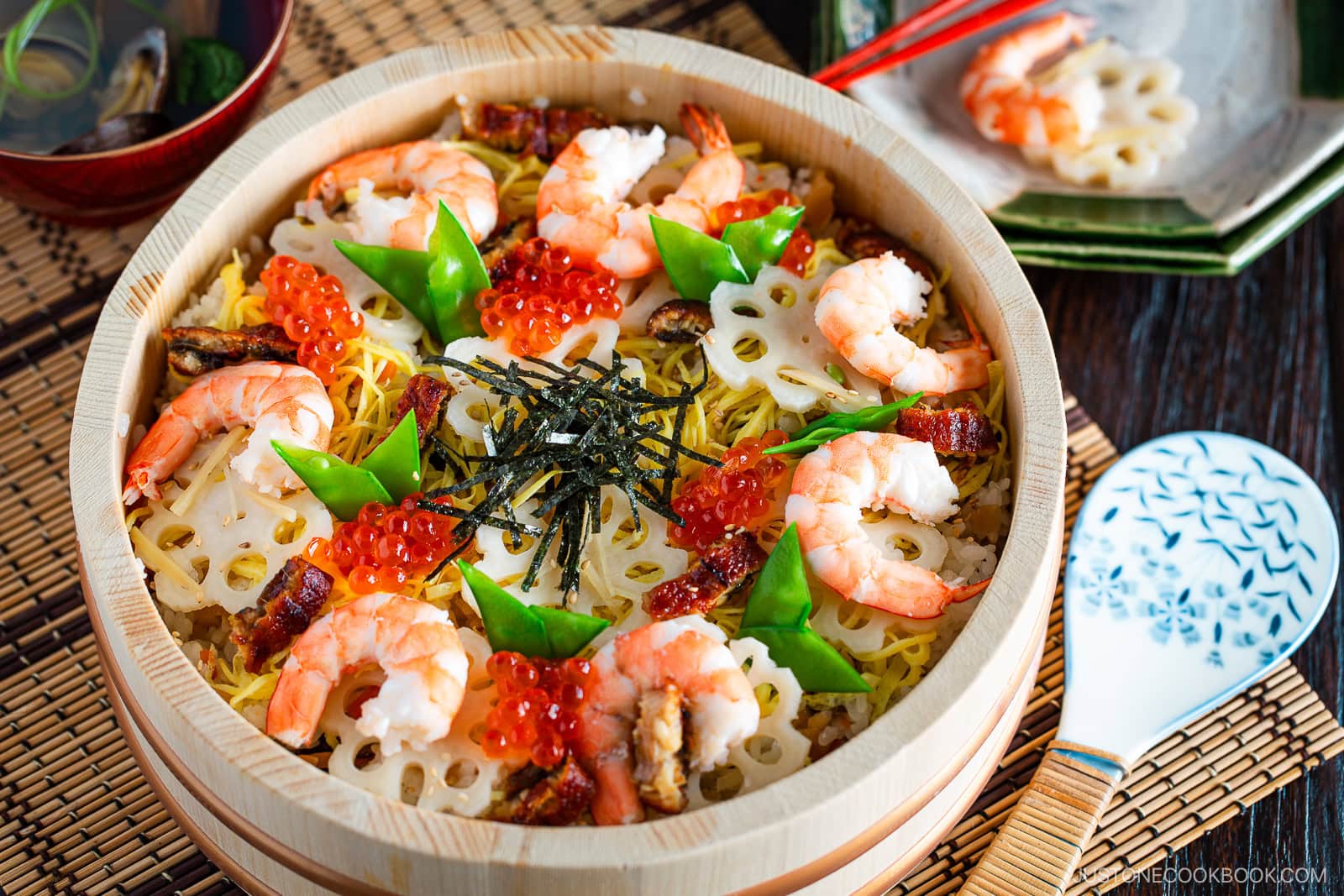 Medium
📜 Story
Medium
📜 Story
Chirashi Sushi
Scattered Sushi Bowl
Hinamatsuri (Girls' Day), celebrations, special meals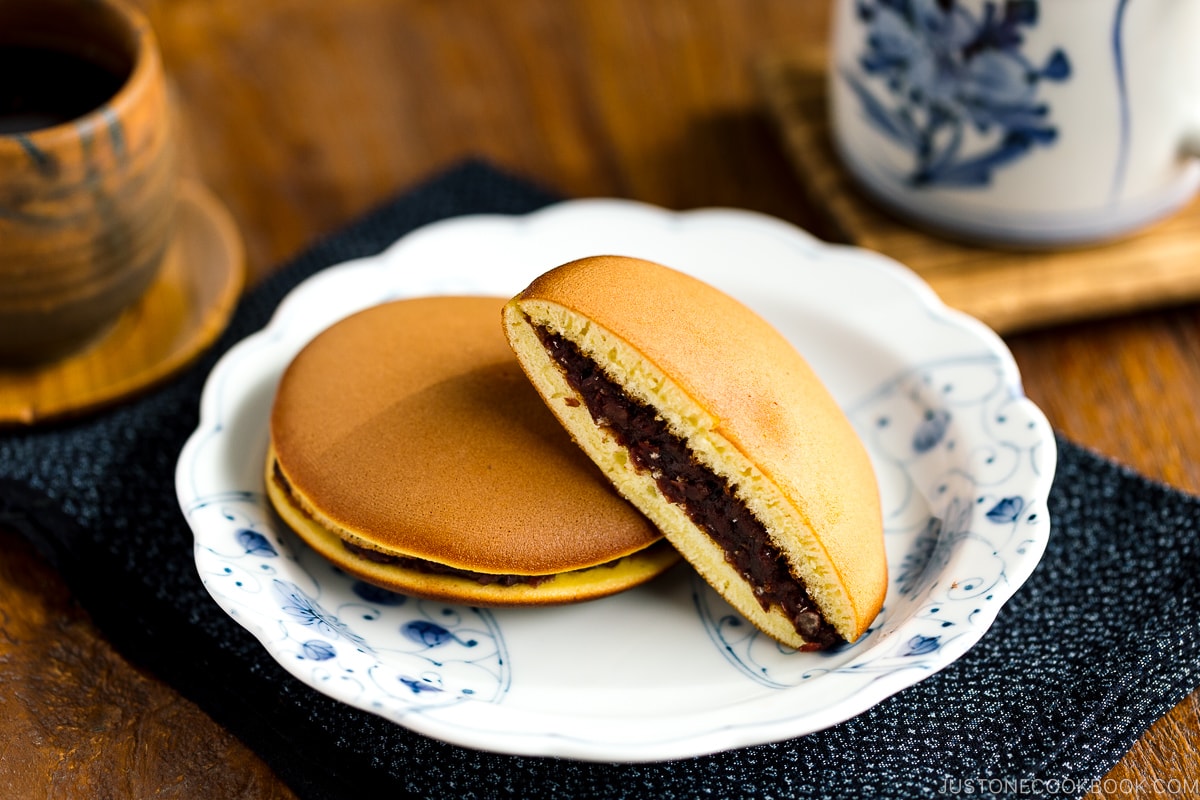 Easy
📜 Story
Easy
📜 Story
Dorayaki
Red Bean Pancake Sandwich
Afternoon tea snack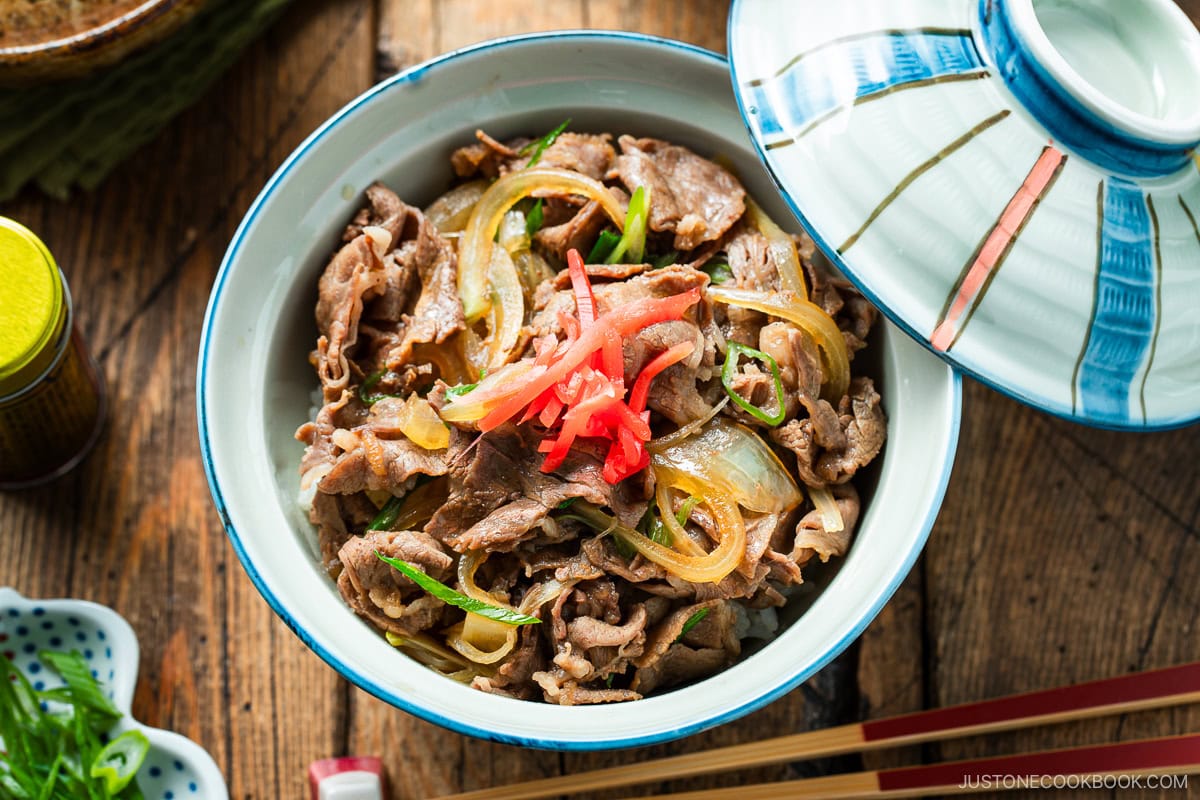 Easy
📜 Story
Easy
📜 Story
Gyudon
Beef Bowl
Lunch or dinner
Comments (0)
Log in to leave a comment.
No comments yet. Be the first to share your thoughts!