
Juicy chicken in crispy panko breadcrumbs, fried golden. Uses chicken instead of traditional meat tonkatsu. Served with shredded cabbage and tonkatsu sauce.
Nutrition & Info
Allergen Warnings
Equipment Needed
Presentation Guide
Vessel: oval plate with shredded cabbage bed
Garnishes: tonkatsu sauce drizzle, sesame seeds, lemon wedge
Accompaniments: steamed rice, miso soup, pickled cabbage
Instructions
-
1
Place each chicken breast between two sheets of cling film and pound evenly with a meat mallet or rolling pin to a uniform thickness of about one centimetre. This ensures every cutlet cooks at the same rate with no raw spots.
-
2
Season both sides of each flattened chicken breast generously with salt and pepper. Set up a breading station with three shallow dishes: flour in the first, beaten eggs in the second, and panko breadcrumbs in the third.
-
3
Working one piece at a time, coat the chicken thoroughly in flour and shake off the excess, then dip into the beaten egg allowing any drips to fall away, and finally press firmly into the panko on both sides until evenly covered.
-
4
Heat two centimetres of vegetable oil in a large, heavy skillet to one hundred and seventy degrees Celsius. Carefully lay two breaded cutlets into the oil without overcrowding, and fry for three minutes per side until deep golden brown.
-
5
Transfer the fried katsu to a wire rack and let them rest for three minutes — this carry-over cooking finishes the centre while the resting prevents the juices from running out when you cut into the crispy coating.
-
6
Slice each katsu crosswise into two-centimetre strips using a sharp knife, keeping the slices together to maintain the original cutlet shape on the plate. This presentation showcases the crispy golden crust and juicy interior.
-
7
Arrange the sliced katsu on plates alongside a generous mound of finely shredded raw cabbage, steamed rice, and lemon wedges. Drizzle tonkatsu sauce over the katsu or serve it on the side for dipping.
Did You Know?
Students eat katsu before exams because 'katsu' sounds like 'to win' — edible good luck!
Chef's Notes
Equipment Tips
- deep skillet
- meat mallet
- wire rack
Garnishing
tonkatsu sauce drizzle, sesame seeds, lemon wedge
Accompaniments
steamed rice, miso soup, pickled cabbage
The Story Behind チキンカツ
### The Story
Chicken katsu evolved from tonkatsu, itself a Meiji-era adaptation of European cuisine. In 1899, the Tokyo restaurant Rengatei created a breaded, deep-fried pork cutlet inspired by the French cotelette and Austrian schnitzel. This became tonkatsu, part of the yoshoku tradition -- Western dishes reimagined for Japanese palates. Several katsu variations emerged in the early Meiji era, including beef and chicken cutlets. Chicken katsu (chikinkatsu or tori katsu) gained popularity in the mid-20th century as a more affordable alternative to pork. The use of panko breadcrumbs -- coarser and crispier than Western breadcrumbs -- gave it a distinctly Japanese character.
### On the Calendar
Katsu is eaten year-round. Students often eat it before exams because "katsu" sounds like the Japanese word for "to win" (katsu), making it a good-luck meal.
### Then & Now
Chicken katsu has spread far beyond Japan, becoming hugely popular in Hawaii, the UK, and Southeast Asia. The katsu curry -- served with Japanese curry sauce -- has become one of the UK's most popular dishes. In Japan, katsudon (katsu over rice with egg) remains a beloved comfort food.
### Legacy
Chicken katsu exemplifies Japan's genius for absorbing foreign influences and transforming them into something uniquely its own.
More Japanese Dishes
 Medium
📜 Story
Medium
📜 Story
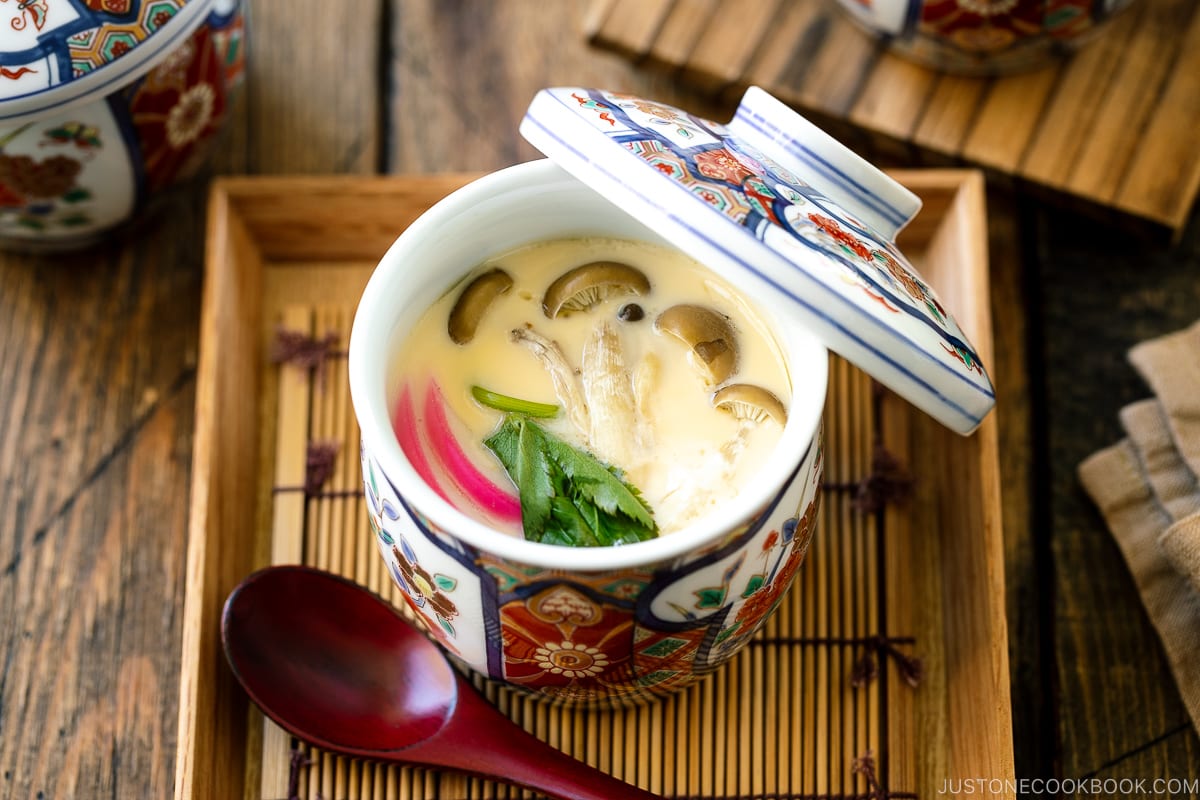
Chawanmushi
Savory Steamed Egg Custard
Appetizer course in kaiseki meal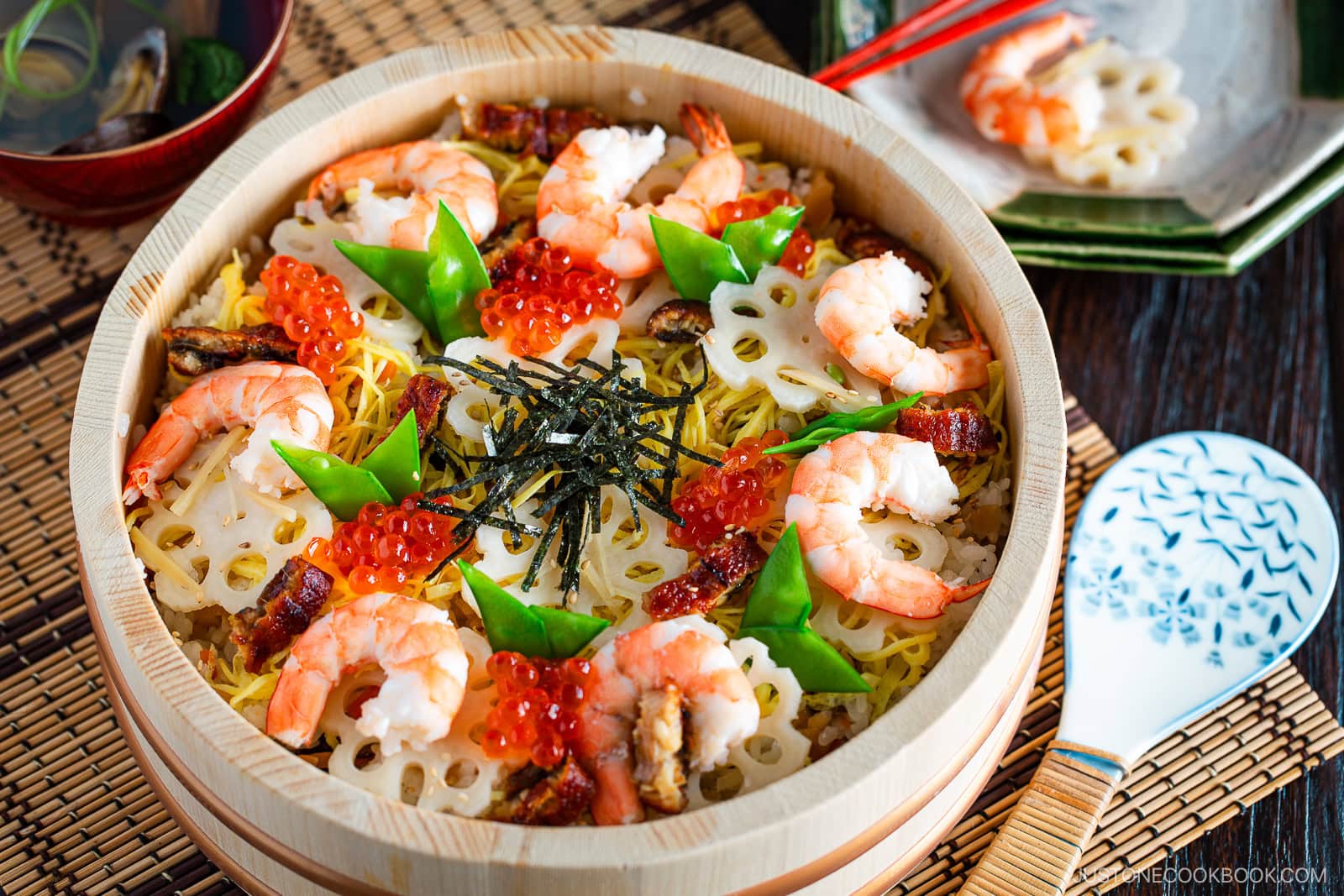 Medium
📜 Story
Medium
📜 Story
Chirashi Sushi
Scattered Sushi Bowl
Hinamatsuri (Girls' Day), celebrations, special meals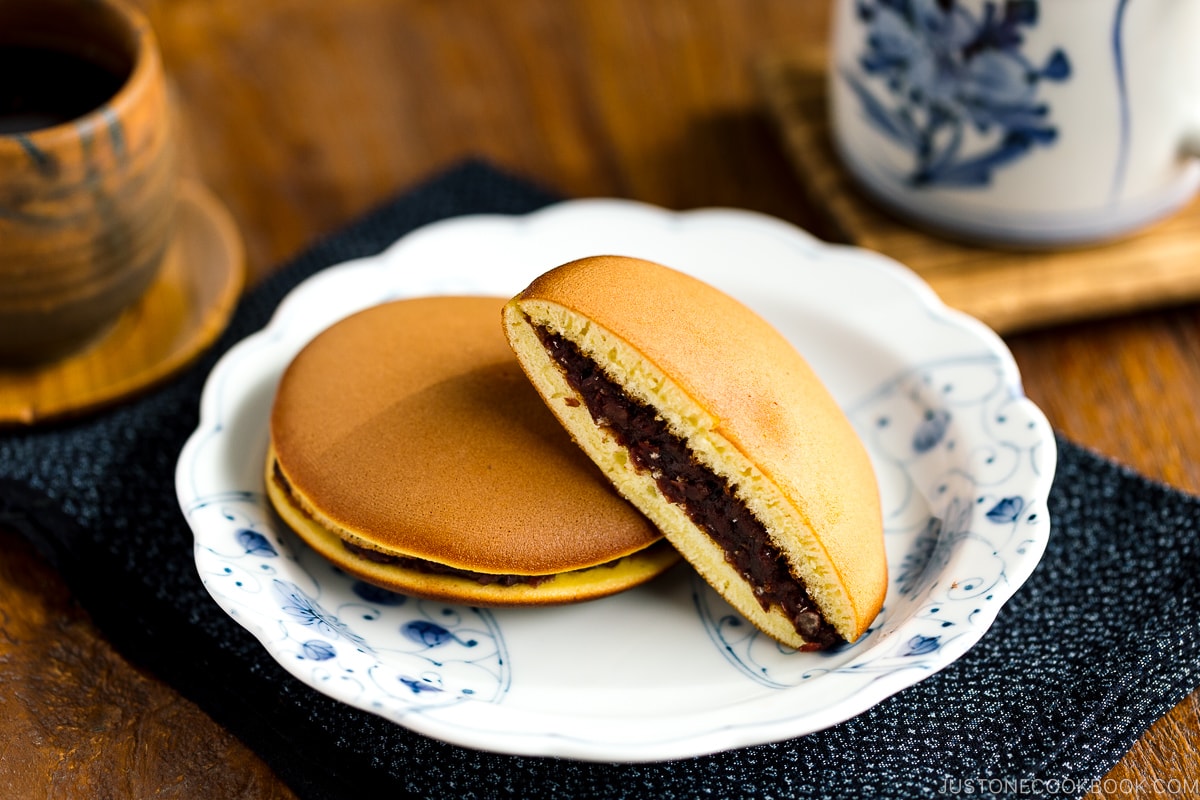 Easy
📜 Story
Easy
📜 Story
Dorayaki
Red Bean Pancake Sandwich
Afternoon tea snack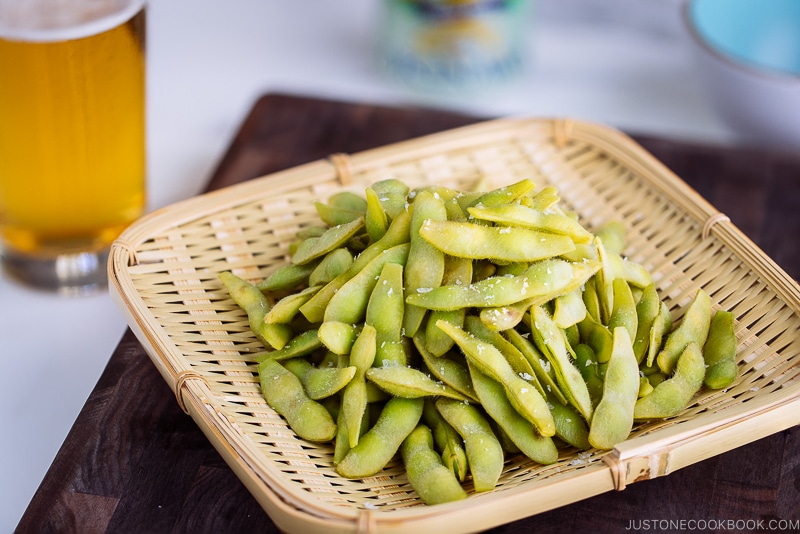 Easy
📜 Story
Easy
📜 Story
Edamame
Salted Steamed Soybeans
Pre-meal snack or beer accompaniment
Comments (1)
Log in to leave a comment.
Made this last weekend and my family loved it. Will definitely make again!