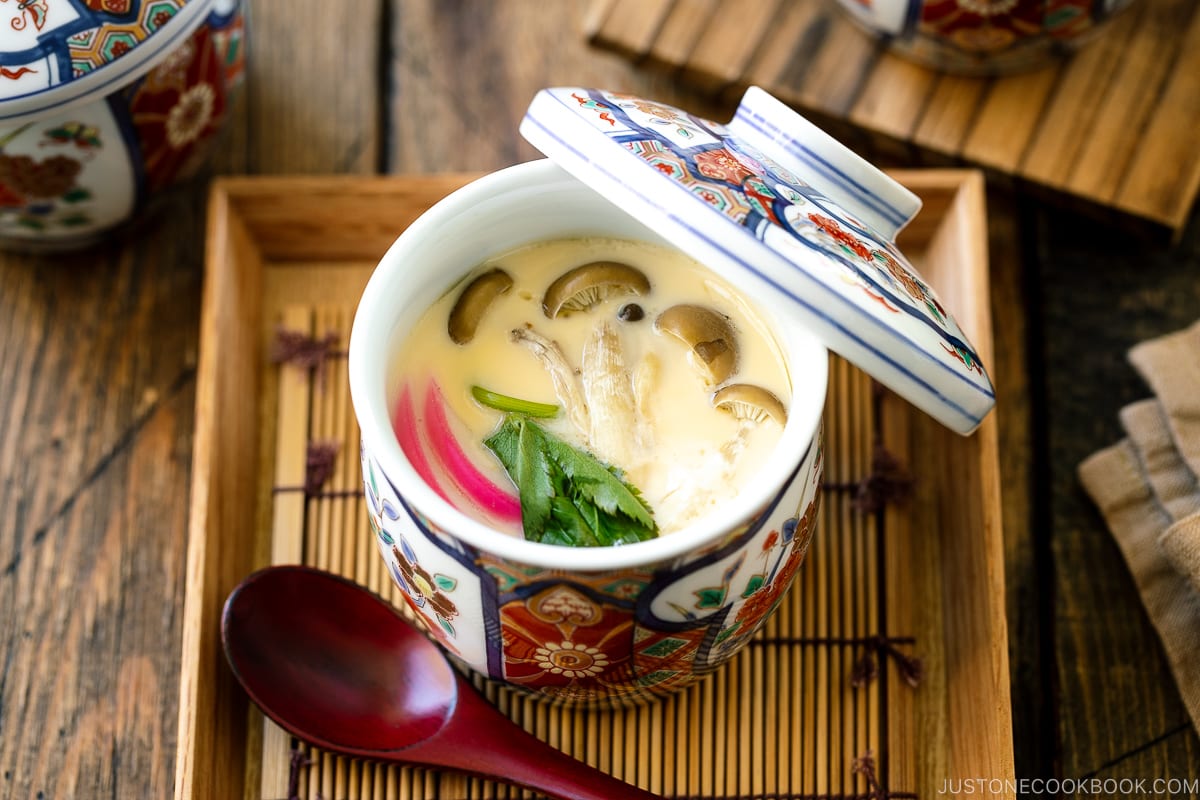
A silky smooth savory egg custard steamed in a tea cup with hidden treasures of chicken, shrimp, and ginkgo nut buried within. This elegant appetizer showcases the Japanese mastery of delicate, subtle flavors.
Nutrition & Info
Allergen Warnings
Equipment Needed
Instructions
-
1
Gently beat the eggs in a bowl without creating foam. Gradually stir in the cooled dashi stock, soy sauce, mirin, and salt. The key is a smooth mixture with absolutely no bubbles.
-
2
Strain the egg mixture through a fine mesh sieve into a clean pouring vessel. This critical step removes any chalazae or lumps that would mar the perfectly smooth custard texture.
-
3
Divide the chicken cubes, shrimp, mushroom slices, and ginkgo nuts evenly among four chawanmushi cups or heatproof tea cups. These hidden ingredients create delightful discoveries within the custard.
-
4
Slowly pour the strained egg mixture over the ingredients in each cup, filling to about eighty percent. Skim off any surface bubbles with a spoon for the smoothest possible finish.
-
5
Cover each cup with foil or a lid and place in a steamer. Steam over medium heat for two minutes, then reduce to low and continue steaming for fifteen minutes until just barely set.
-
6
The custard is ready when a skewer inserted in the center comes out clean but the surface still jiggles gently. Garnish with mitsuba leaves and serve immediately while warm and silky.
Did You Know?
Chawanmushi is the only Japanese dish traditionally eaten with a spoon rather than chopsticks. Its name literally translates to tea cup steaming, referring to the vessel it is cooked and served in.
Chef's Notes
Equipment Tips
- steamer or pot with lid
- chawanmushi cups or small bowls
- fine mesh strainer
- mixing bowl
The Story Behind Chawanmushi
Chawanmushi originated in Nagasaki during the eighteenth century, influenced by Chinese steamed egg dishes that arrived through the port city's trade connections. The dish was refined into an elegant course in kaiseki haute cuisine, where its smooth texture and subtle dashi flavor exemplified Japanese aesthetic principles of understated beauty. The technique of achieving a perfectly smooth custard without bubbles or cracks became a mark of culinary skill. Chawanmushi spread from high-end restaurants to home cooking, becoming a beloved comfort food especially during colder months when its warm silky texture provides gentle nourishment.
More Japanese Dishes
 Medium
📜 Story
Medium
📜 Story
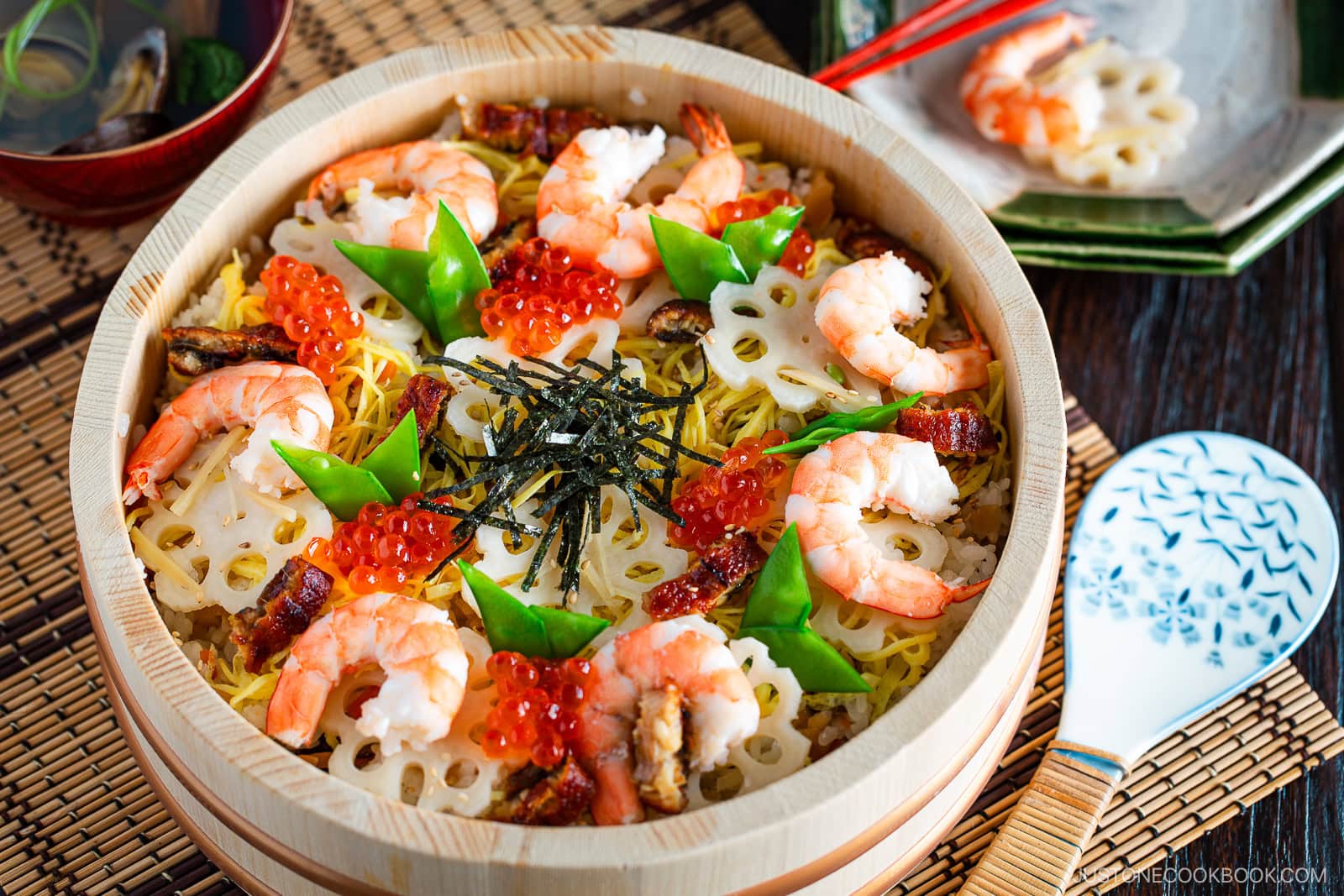
Chirashi Sushi
Scattered Sushi Bowl
Hinamatsuri (Girls' Day), celebrations, special meals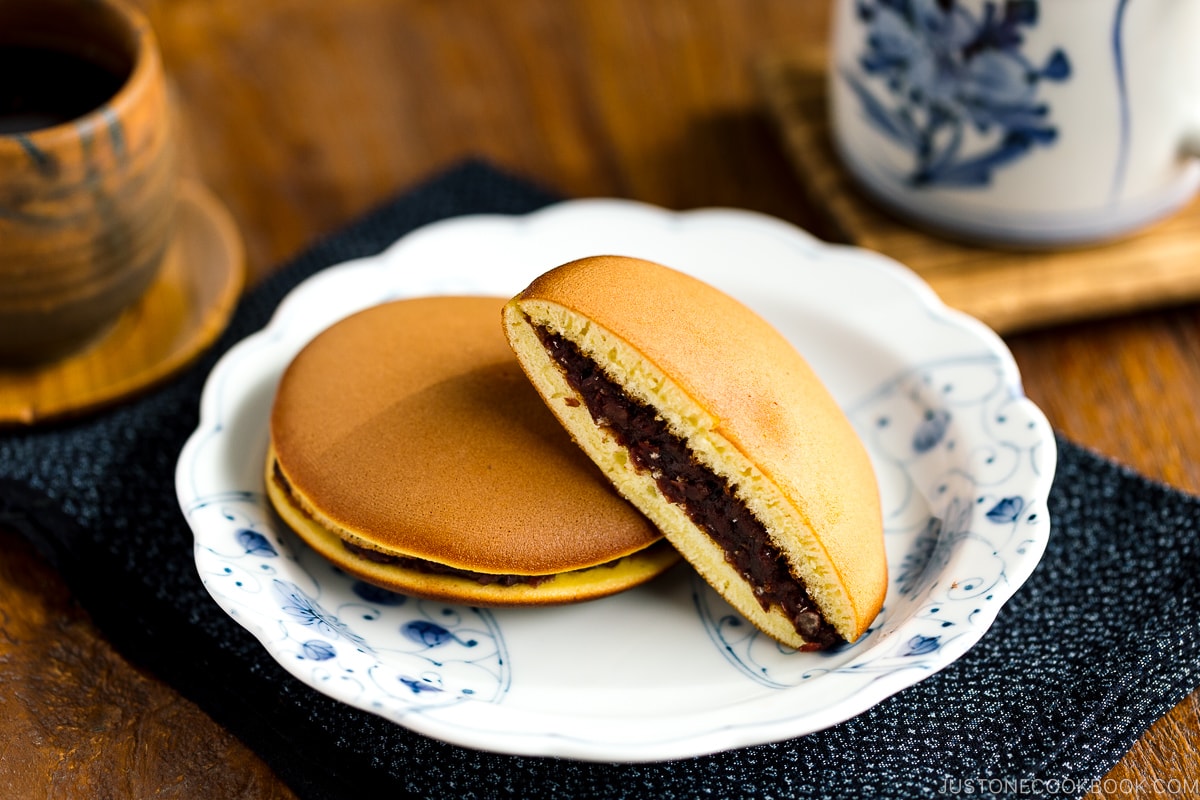 Easy
📜 Story
Easy
📜 Story
Dorayaki
Red Bean Pancake Sandwich
Afternoon tea snack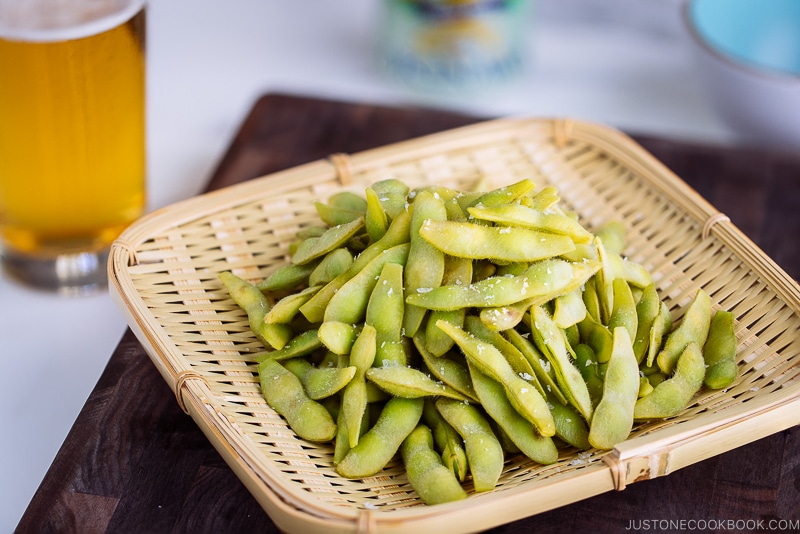 Easy
📜 Story
Easy
📜 Story
Edamame
Salted Steamed Soybeans
Pre-meal snack or beer accompaniment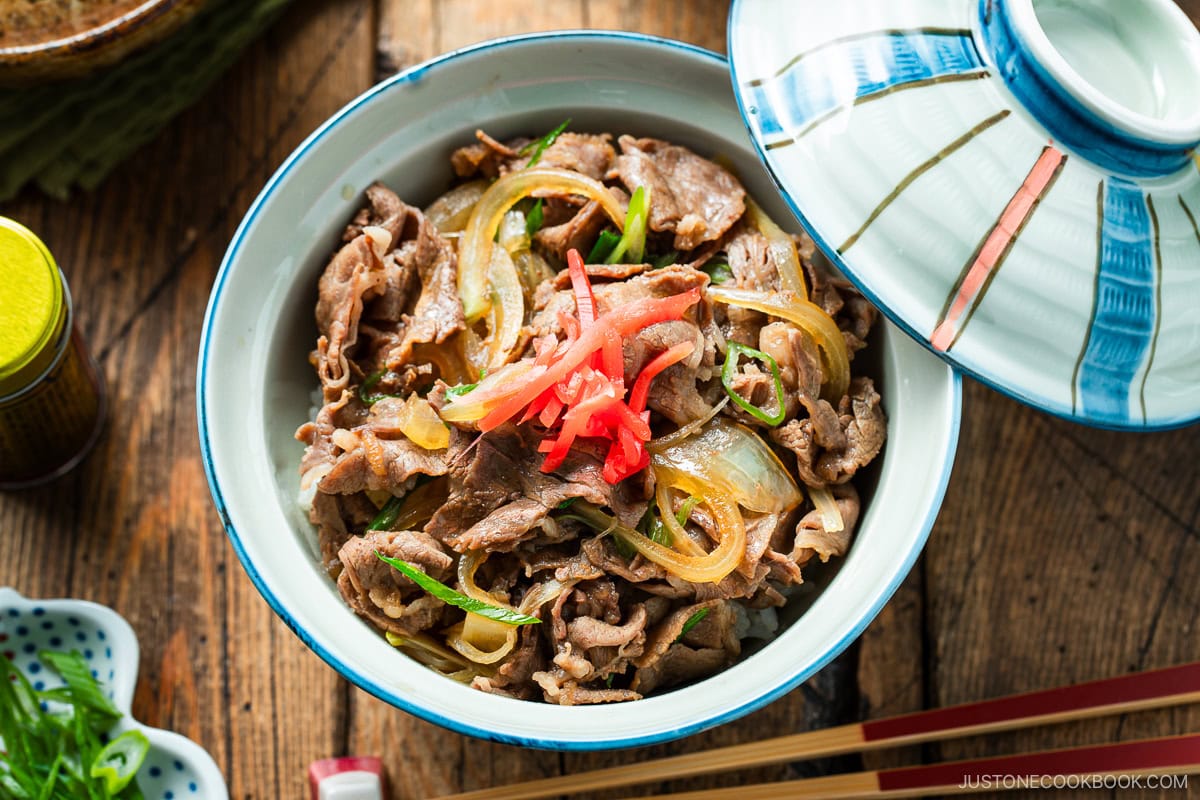 Easy
📜 Story
Easy
📜 Story
Gyudon
Beef Bowl
Lunch or dinner
Comments (0)
Log in to leave a comment.
No comments yet. Be the first to share your thoughts!