
Margat Fasoulia
مرقة فاصوليا (MAR-gat fah-SOO-lee-yah)
Iraqi White Bean Stew
Tender white beans simmered with lamb chunks in a rich, tomato-based sauce spiced with baharat and dried lime. This hearty Iraqi bean stew is the ultimate cold-weather comfort food.
Nutrition & Info
Equipment Needed
Instructions
-
1
Drain soaked beans and set aside. Brown lamb cubes in oil over high heat until deeply caramelized on all sides.
-
2
Add diced onion and garlic, cooking for 5 minutes until softened. Stir in tomato paste, baharat, and turmeric.
-
3
Add the drained beans, dried limes, and enough water to cover everything by 5cm. Bring to a boil.
-
4
Reduce heat to a gentle simmer, cover, and cook for 1 hour until beans are creamy and lamb is fork-tender.
-
5
Season with salt and pepper. The stew should be thick and rich — if too thin, simmer uncovered for 10 more minutes.
-
6
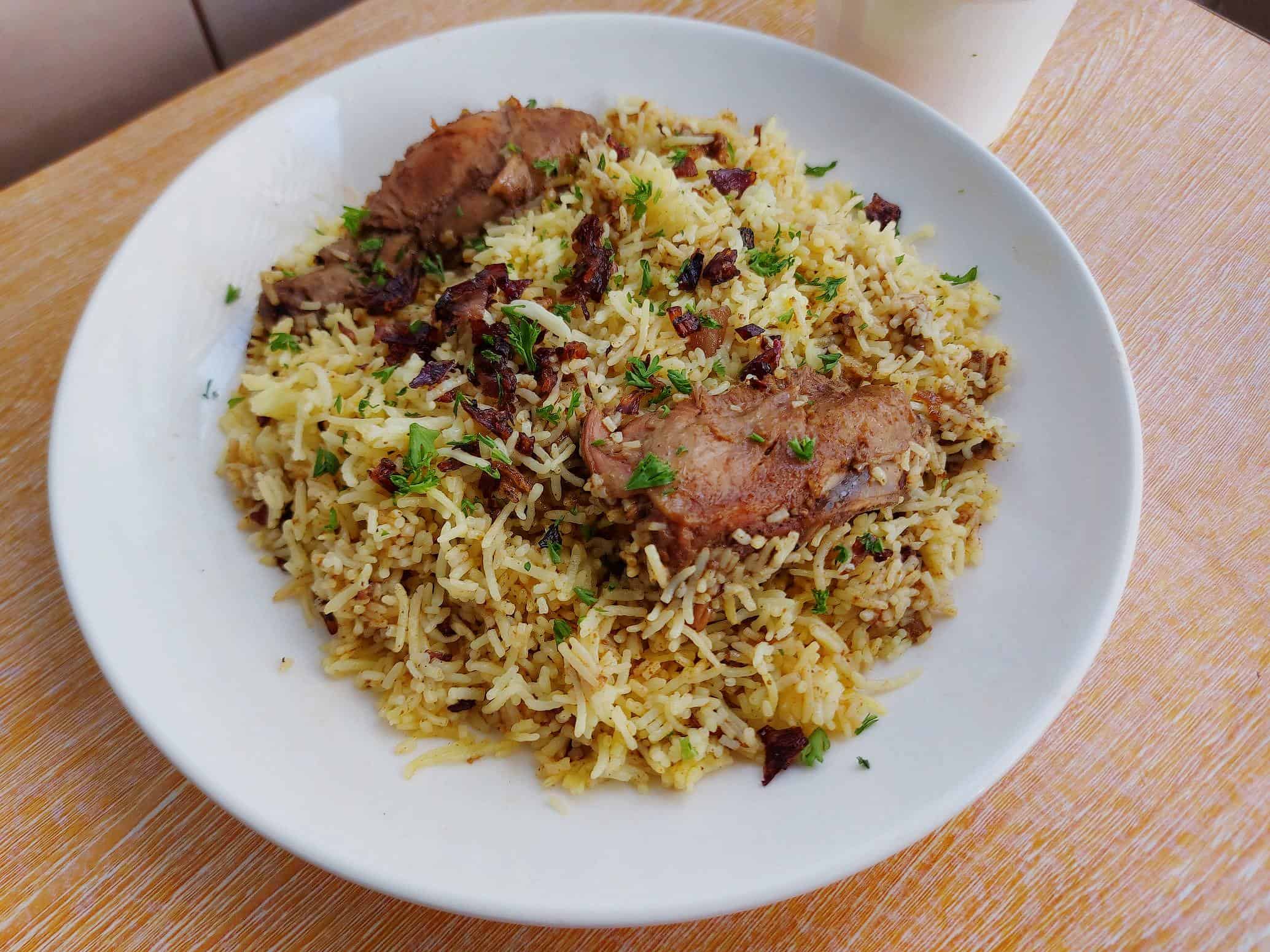
Serve hot over steamed white rice, garnished with fresh parsley. Offer pickled vegetables alongside.
Did You Know?
Iraqi grandmothers judge a fasoulia by whether the beans are creamy enough to melt on the tongue — anything with a firm center is considered undercooked.
Chef's Notes
Equipment Tips
- large pot
- wooden spoon
- ladle
The Story Behind Margat Fasoulia
Margat fasoulia is a pillar of Iraqi home cooking, part of the broad family of margas (stews) that form the backbone of daily meals. The dish reflects Iraq's position at the crossroads of trade routes, where beans from the Americas eventually merged with ancient Mesopotamian lamb-cooking traditions. Dried lime gives this stew its characteristic Iraqi identity, while the baharat blend connects it to the broader Middle Eastern culinary family. It is a dish of nourishment, warmth, and unpretentious deliciousness.



Comments (0)
Log in to leave a comment.
No comments yet. Be the first to share your thoughts!