
Thick slices of fermented soybean tempeh marinated in garlic and coriander, fried until the edges are caramelized and crispy while the inside stays nutty and tender — a plant-based Indonesian staple.
Nutrition & Info
Allergen Warnings
Equipment Needed
Presentation Guide
Vessel: simple plate
Garnishes: sambal, lime wedge
Accompaniments: steamed rice, sayur asem (tamarind vegetable soup), sambal terasi
Instructions
-
1
Grind garlic, coriander, salt, and turmeric with water to make a thin marinade.
-
2
Dip tempeh slices in the marinade, ensuring both sides are coated. Let marinate for 10 minutes.
-
3
Heat oil in a skillet over medium-high heat. Fry tempeh slices for 3-4 minutes per side until golden brown and crispy on the edges.
-
4
Drain on paper towels. The tempeh should be crispy outside but still tender and nutty inside.
-
5
Serve as a side dish with steamed rice, sambal, and vegetables.
Did You Know?
Tempeh was invented in Java and is one of Indonesia's greatest gifts to world cuisine — it is now a cornerstone of vegetarian and vegan diets globally, all from a centuries-old Javanese fermentation technique.
Chef's Notes
Equipment Tips
- skillet or wok
- mortar and pestle
Garnishing
sambal, lime wedge
Accompaniments
steamed rice, sayur asem (tamarind vegetable soup), sambal terasi
The Story Behind Tempeh Goreng
Tempeh originated in Java, with the earliest known reference in the Serat Centhini manuscript from 1815, though its origins likely go back centuries further. The fermentation of soybeans with Rhizopus mold creates a firm, sliceable cake with a complex nutty flavor and remarkable protein content. It remains the most affordable protein source for millions of Indonesians and has become a global health food phenomenon.
More Indonesian Dishes
 Hard
📜 Story
Hard
📜 Story
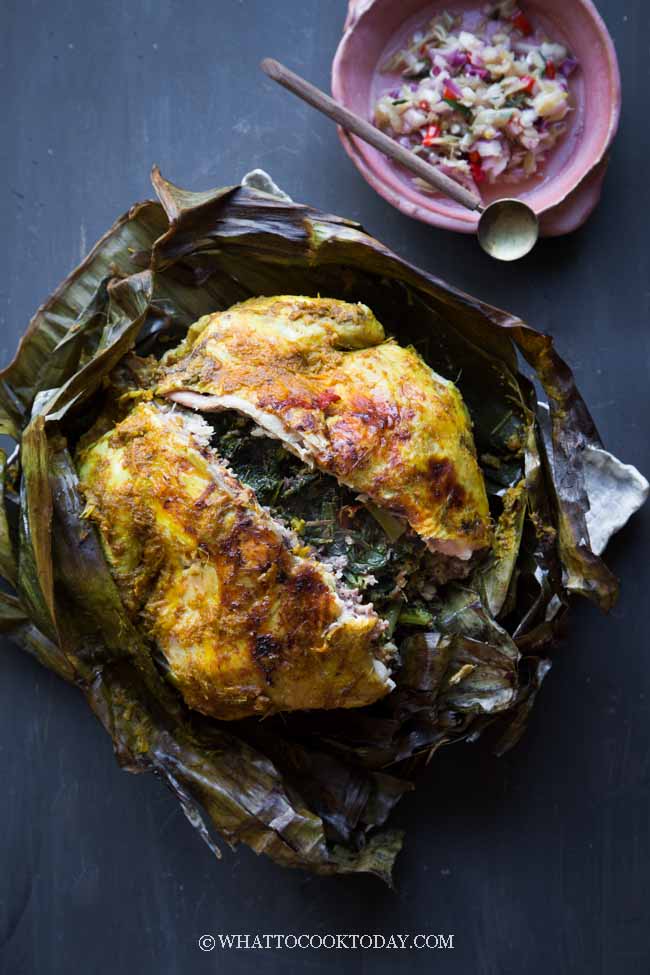
Ayam Betutu
Balinese Spiced Chicken
Ceremonies, temple festivals, special occasions Medium
📜 Story
Medium
📜 Story
Ayam Goreng Kalasan
Kalasan Fried Chicken
Lunch or dinner Medium
📜 Story
Medium
📜 Story
Bakso
Indonesian Beef Meatball Soup
Anytime snack or meal, especially from street carts Medium
📜 Story
Medium
📜 Story
Es Cendol
Iced Pandan Jelly Drink
Afternoon refreshment, hot weather
Comments (0)
Log in to leave a comment.
No comments yet. Be the first to share your thoughts!