
Tender chicken skewers marinated in turmeric and coriander, grilled over charcoal and served with creamy peanut sauce and lontong rice cakes.
Nutrition & Info
Allergen Warnings
Equipment Needed
Presentation Guide
Vessel: plate with skewers
Garnishes: peanut sauce, shallot slices
Accompaniments: lontong (rice cake), cucumber-onion salad
Instructions
-
1
Combine the kecap manis, turmeric, coriander, garlic, oil, lime juice, and salt in a large bowl, then add the chicken cubes and toss until every piece is evenly coated in the marinade.
-
2
Cover the bowl with cling film and refrigerate for at least four hours or preferably overnight, allowing the turmeric and aromatics to penetrate deeply into the chicken for maximum flavour.
-
3
Thread four to five pieces of marinated chicken onto each pre-soaked bamboo skewer, packing them closely together so the edges touch, which helps the meat stay juicy during grilling.
-
4
Prepare the peanut sauce by grinding the roasted peanuts, garlic, and chilies in a food processor until coarse, then mixing in the kecap manis, lime juice, and warm water until you achieve a pourable consistency.
-
5
Preheat a charcoal grill or grill pan to high heat, then brush the grates lightly with oil. Place the skewers on the grill and cook for three to four minutes per side, basting with oil.
-
6
Turn the skewers only once to develop a lightly charred exterior while keeping the chicken moist inside. The total cooking time should be about seven to eight minutes until the juices run clear.
-
7
Arrange the grilled satay skewers on a platter alongside sliced lontong rice cakes, cucumber rounds, and shallot rings, with a generous bowl of the peanut sauce for dipping.
Did You Know?
Indonesian satay vendors are called 'tukang sate' and their charcoal fans create a distinctive sound that draws customers.
Chef's Notes
Equipment Tips
- bamboo skewers
- grill or broiler
- blender
Garnishing
peanut sauce, shallot slices
Accompaniments
lontong (rice cake), cucumber-onion salad
The Story Behind Sate Ayam
### The Story
Satay (sate) -- skewered, marinated meat grilled over charcoal and served with peanut sauce -- is one of Indonesia's most iconic contributions to world cuisine. The dish originated in Java, likely inspired by Middle Eastern kebab traditions brought by Arab and Indian Muslim traders during the 18th and 19th centuries. Javanese cooks adapted the concept using local ingredients: chicken, lamb, or goat marinated in turmeric and coriander, threaded onto bamboo skewers, grilled over coconut shell charcoal, and served with a ground peanut sauce sweetened with kecap manis. By the late 19th century, sate vendors with their portable charcoal grills and hand-fanned flames had become a defining feature of Javanese street life.
### On the Calendar
Satay is eaten year-round as a snack, appetizer, or main course. It is a fixture at night markets, street stalls, and celebrations, and is always present at community gatherings and festivals.
### Then & Now
Indonesia boasts dozens of regional satay variations: sate Madura (with its distinctive sweet peanut sauce), sate Padang (with yellow turmeric sauce), sate lilit from Bali (minced seafood wrapped around lemongrass stalks), and sate klatak from Yogyakarta (using iron spokes from bicycle wheels as skewers). Chicken satay (sate ayam) remains the most widely consumed version, with the charcoal grill imparting a smoky sweetness that cannot be replicated by other methods.
### Legacy
Satay represents Indonesia's genius for absorbing foreign influences and transforming them into something unmistakably Indonesian -- a dish that has conquered the world one skewer at a time.
More Indonesian Dishes
 Hard
📜 Story
Hard
📜 Story
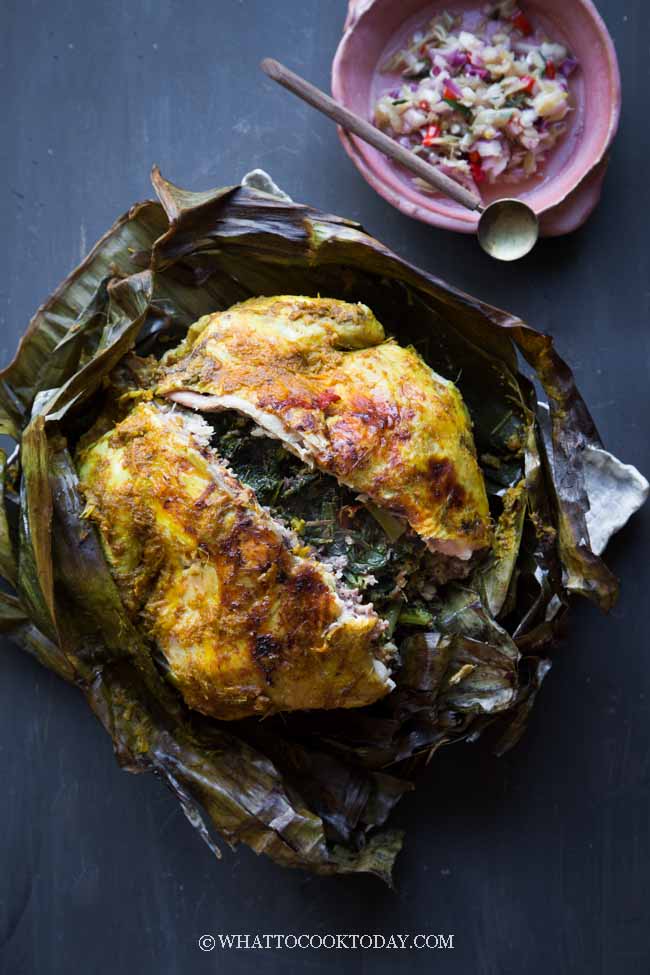
Ayam Betutu
Balinese Spiced Chicken
Ceremonies, temple festivals, special occasions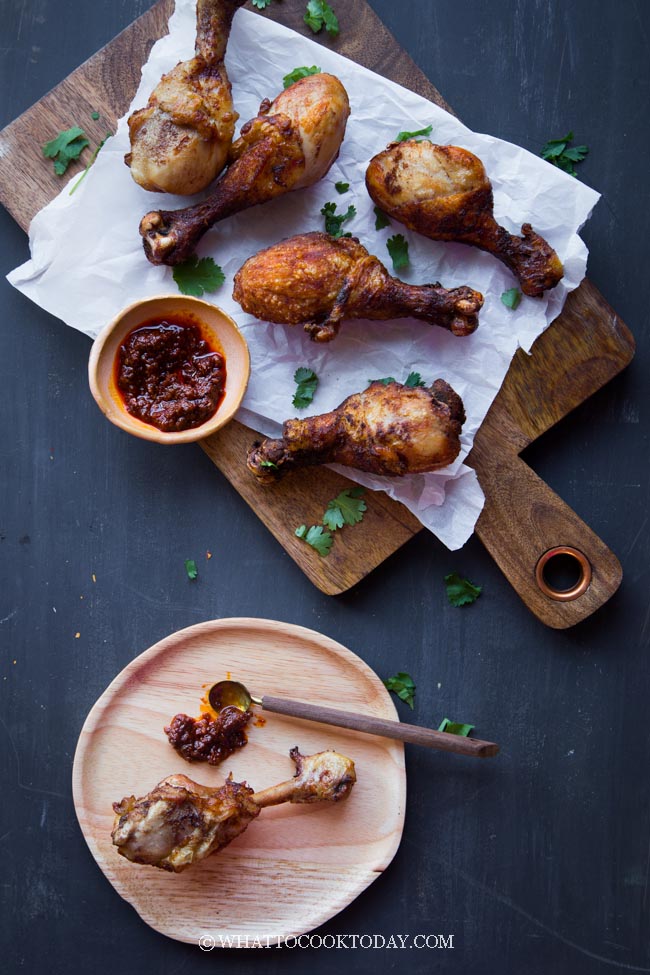 Medium
📜 Story
Medium
📜 Story
Ayam Goreng Kalasan
Kalasan Fried Chicken
Lunch or dinner Medium
📜 Story
Medium
📜 Story
Bakso
Indonesian Beef Meatball Soup
Anytime snack or meal, especially from street carts Medium
📜 Story
Medium
📜 Story
Es Cendol
Iced Pandan Jelly Drink
Afternoon refreshment, hot weather
Comments (1)
Log in to leave a comment.
One of the best recipes I've found online. Authentic and delicious.