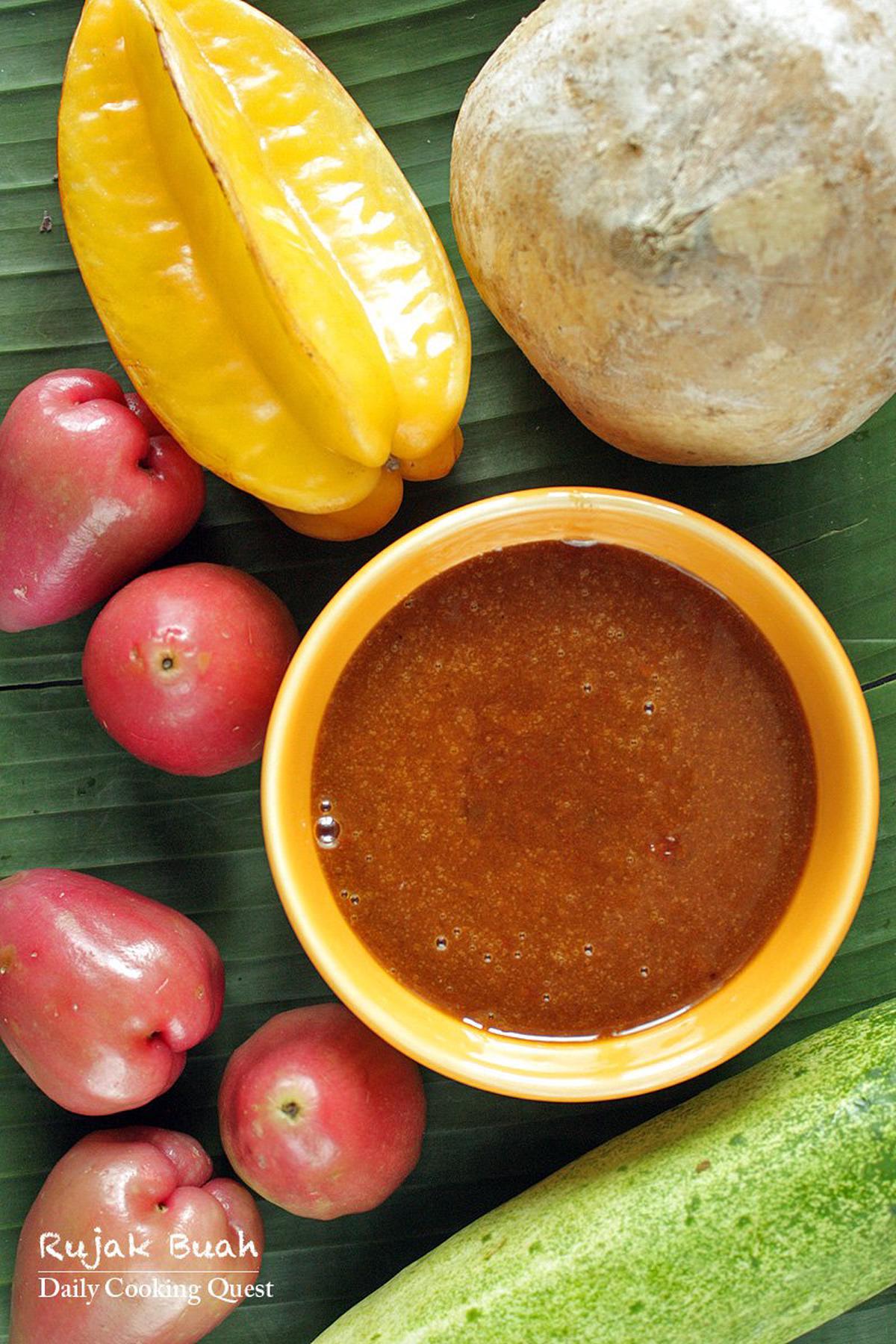
A vibrant tropical fruit salad of unripe mango, pineapple, jicama, and cucumber dressed in a punchy sauce of palm sugar, tamarind, chili, and shrimp paste — sweet, sour, salty, and spicy in every bite.
Nutrition & Info
Allergen Warnings
Equipment Needed
Presentation Guide
Vessel: plate or banana leaf
Garnishes: crushed peanuts, extra chili
Accompaniments: extra rujak sauce
Instructions
-
1
Prepare all fruits: slice mango, cube pineapple, slice jicama, cucumber, guava, and apple. Keep slightly chilled.
-
2
Make the rujak sauce: pound chilies and roasted shrimp paste in a mortar. Add grated palm sugar, tamarind paste, salt, and warm water. Pound and mix until the sugar dissolves into a thick sauce.
-
3
Arrange the prepared fruits on a plate or in a bowl.
-
4
Pour the spicy-sweet sauce over the fruits and toss gently to coat evenly.
-
5
Sprinkle with crushed roasted peanuts. Serve immediately while fruits are still crisp.
Did You Know?
In Javanese tradition, rujak is associated with pregnancy cravings — if a woman craves rujak, it is said she is expecting a girl.
Chef's Notes
Equipment Tips
- mortar and pestle
- large mixing bowl
- sharp knife
Garnishing
crushed peanuts, extra chili
Accompaniments
extra rujak sauce
The Story Behind Rujak
Rujak has ancient Javanese origins, mentioned in the 9th-century Kakawin Ramayana. The combination of unripe fruits with a spicy, fermented dressing reflects the Indonesian genius for balancing contrasting flavors. Different regions have their own rujak variations: rujak cingur from Surabaya adds beef snout, while rujak juhi from Jakarta uses dried squid. The dish demonstrates how Indonesian cuisine transforms simple fruits into complex flavor experiences.
More Indonesian Dishes
 Hard
📜 Story
Hard
📜 Story
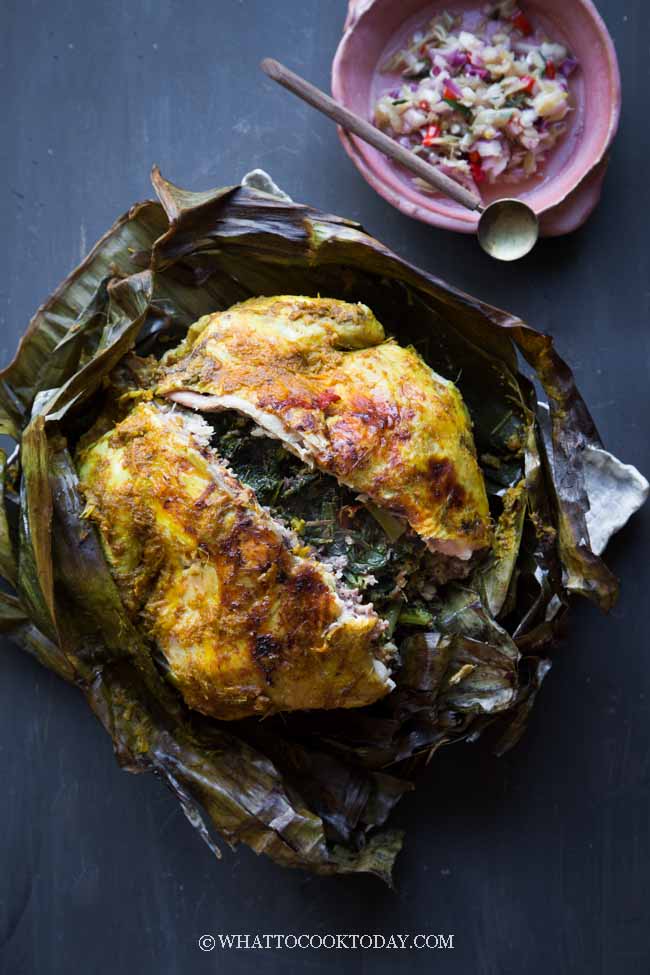
Ayam Betutu
Balinese Spiced Chicken
Ceremonies, temple festivals, special occasions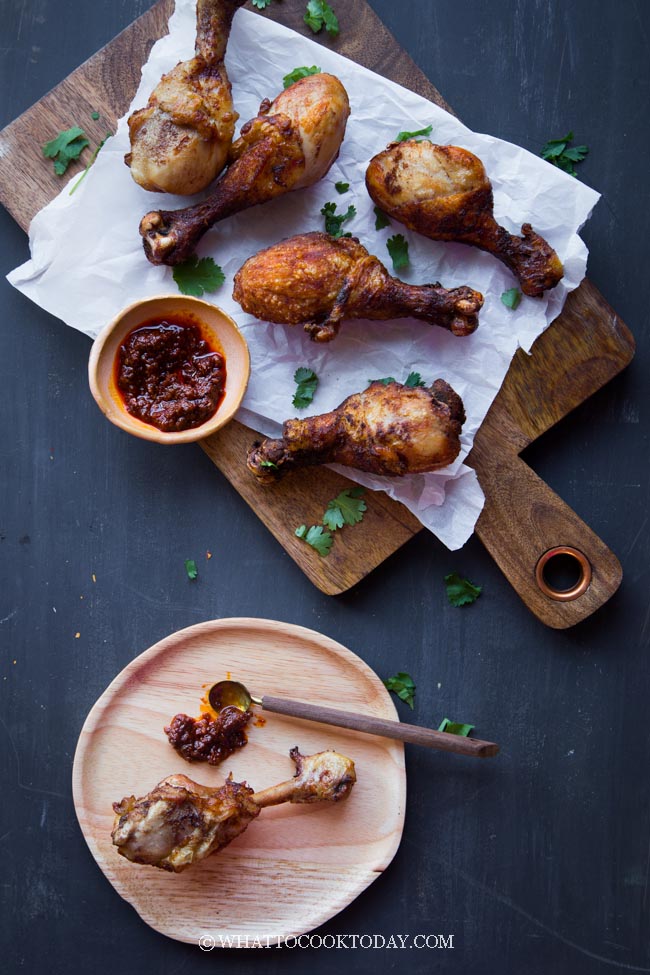 Medium
📜 Story
Medium
📜 Story
Ayam Goreng Kalasan
Kalasan Fried Chicken
Lunch or dinner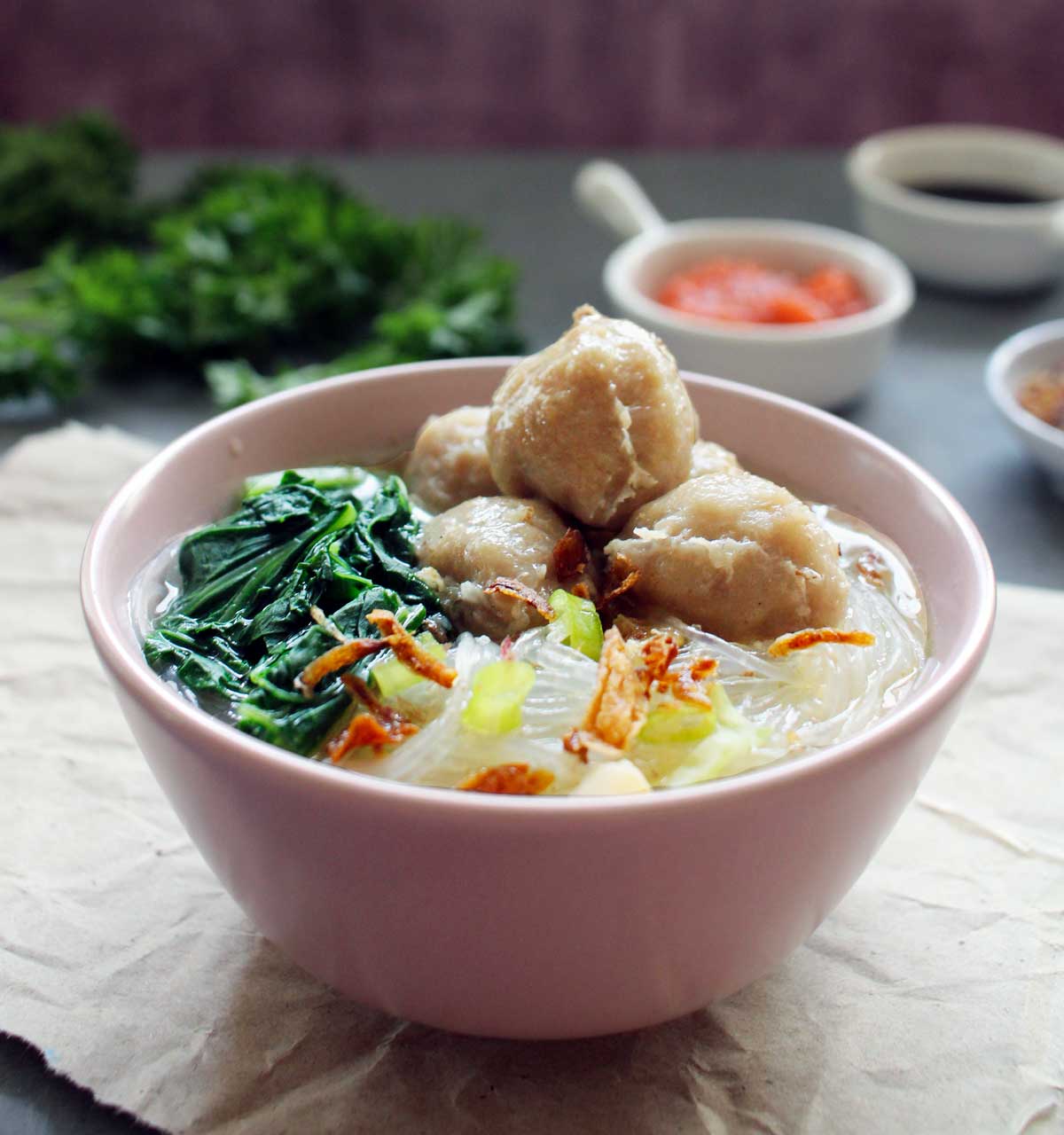 Medium
📜 Story
Medium
📜 Story
Bakso
Indonesian Beef Meatball Soup
Anytime snack or meal, especially from street carts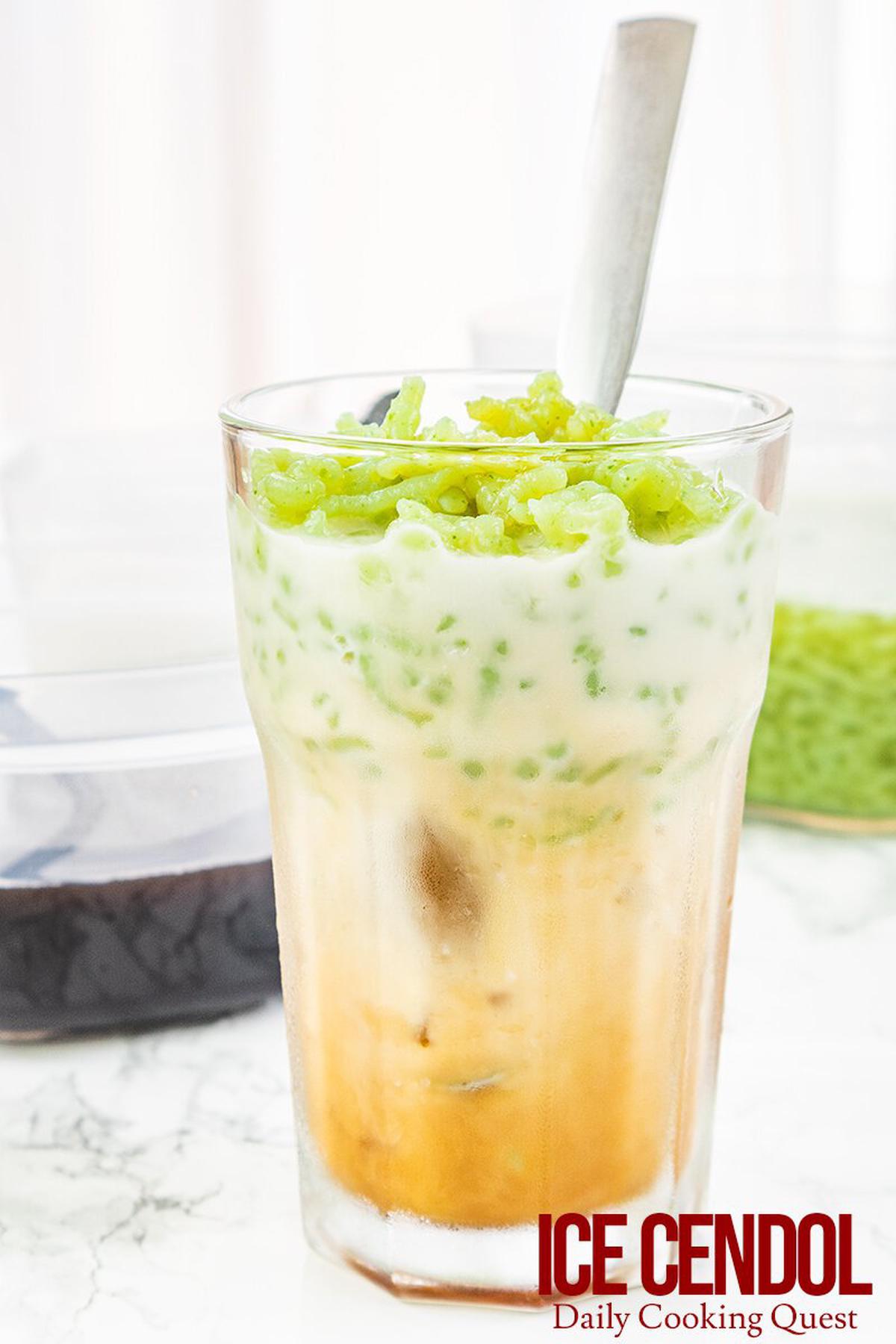 Medium
📜 Story
Medium
📜 Story
Es Cendol
Iced Pandan Jelly Drink
Afternoon refreshment, hot weather
Comments (0)
Log in to leave a comment.
No comments yet. Be the first to share your thoughts!