
Beef slowly braised in coconut milk with lemongrass, galangal, and toasted coconut until the sauce is completely absorbed, creating intensely flavored, tender meat.
Nutrition & Info
Allergen Warnings
Equipment Needed
Presentation Guide
Vessel: ceramic plate or banana leaf
Garnishes: toasted coconut flakes, fried shallots, kaffir lime leaves
Accompaniments: steamed rice (nasi putih), cucumber slices, sambal
Instructions
-
1
Blend the soaked chilies, shallots, garlic, galangal, and fresh turmeric in a food processor without adding water, using the natural moisture from the aromatics to form a smooth, fragrant paste.
-
2
Heat the oil in a heavy-bottomed pot or Dutch oven over medium heat, then fry the spice paste with the bruised lemongrass and kaffir lime leaves for eight to ten minutes until deeply fragrant and the oil separates.
-
3
Add the beef cubes to the pot and stir thoroughly to coat every piece with the spice paste, cooking for about five minutes until the exterior of the meat is lightly seared on all sides.
-
4
Pour in both cans of coconut milk along with the salt and sugar, then bring the mixture to a gentle boil over medium-high heat, stirring occasionally to prevent the coconut milk from splitting.
-
5
Reduce the heat to low and simmer uncovered for two and a half to three hours, stirring every fifteen minutes to prevent sticking as the sauce slowly reduces and darkens in colour.
-
6
When the sauce has reduced by about three-quarters, stir in the toasted coconut kerisik, which will thicken the remaining sauce and add a nutty, caramelised depth to the dish.
-
7
Continue cooking on the lowest heat, stirring frequently, until the sauce is almost completely absorbed and the meat is coated in a thick, dark, oily layer of concentrated spices.
-
8
The rendang is ready when the beef is fork-tender and the coating is deep brown and slightly caramelised. Rest for ten minutes before serving with steamed rice and cucumber slices.
Did You Know?
Rendang was voted the world's most delicious food by CNN Travel. It was originally designed to preserve meat for long journeys.
Chef's Notes
Equipment Tips
- wok or large heavy pan (kuali)
- mortar and pestle or food processor
- sharp knife
- coconut grater (optional)
Garnishing
toasted coconut flakes, fried shallots, kaffir lime leaves
Accompaniments
steamed rice (nasi putih), cucumber slices, sambal
The Story Behind Rendang
### The Story
Rendang is a slow-cooked dry curry from the Minangkabau people of West Sumatra, widely regarded as one of the greatest dishes in world cuisine. The dish involves simmering beef (traditionally water buffalo) in coconut milk with a complex spice paste of galangal, lemongrass, turmeric, ginger, garlic, shallots, and chilies until all the liquid evaporates and the meat becomes dark, intensely flavored, and coated in a caramelized spice crust. The Minangkabau developed rendang as a preservation method -- the complete evaporation of moisture and the antimicrobial properties of the spices allowed the meat to last for weeks without refrigeration, making it ideal for long journeys. The dish features prominently in Minangkabau adat (customary law) ceremonies.
### On the Calendar
Rendang is the ceremonial centerpiece of Minangkabau celebrations, required at weddings, funerals, religious holidays (especially Eid al-Fitr and Eid al-Adha), and the merantau (young men's journey from home). It is prepared in large quantities for communal feasting.
### Then & Now
True rendang (rendang kering) is cooked for four to six hours until completely dry and nearly black, distinguishing it from kalio, a wetter, earlier stage of the same cooking process that is sometimes mistakenly called rendang. The Minangkabau consider the patience and skill required for proper rendang a measure of a cook's mastery. Today, rendang has spread far beyond West Sumatra to become Indonesia's most internationally acclaimed dish, though Minangkabau cooks maintain that only their version, made with local ingredients and traditional technique, achieves the authentic depth of flavor.
### Legacy
Rendang is the crown jewel of Indonesian cuisine, a dish that transforms simple ingredients through patience and fire into something transcendent -- a masterpiece of preservation, flavor, and cultural identity.
More Indonesian Dishes
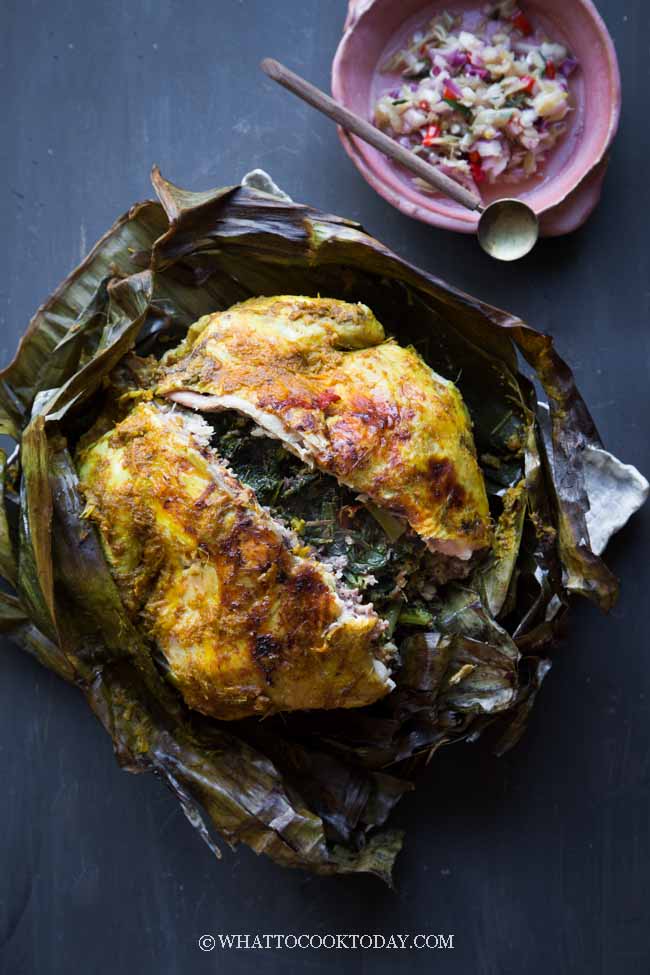 Hard
📜 Story
Hard
📜 Story
Ayam Betutu
Balinese Spiced Chicken
Ceremonies, temple festivals, special occasions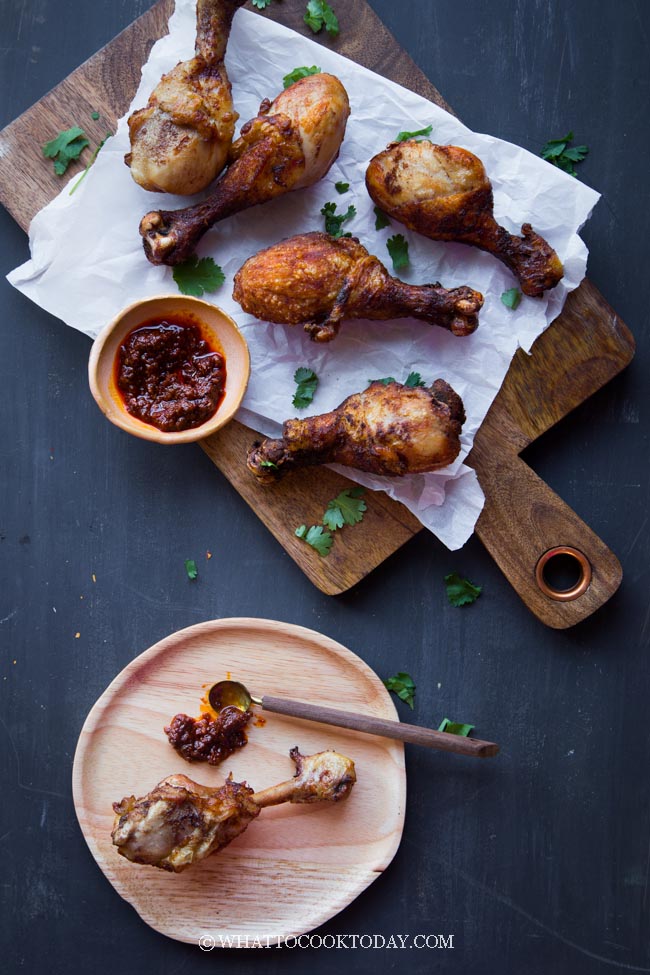 Medium
📜 Story
Medium
📜 Story
Ayam Goreng Kalasan
Kalasan Fried Chicken
Lunch or dinner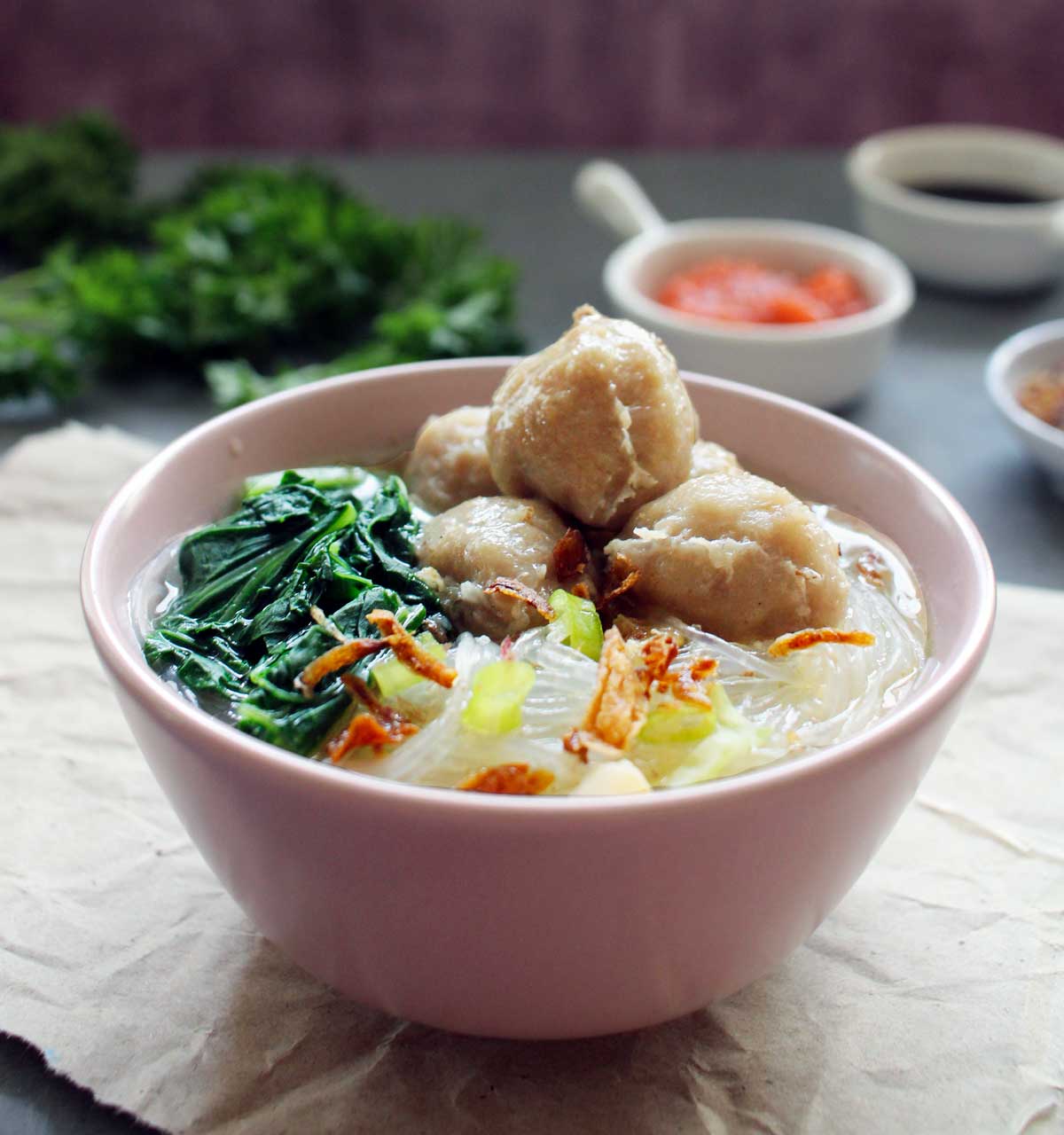 Medium
📜 Story
Medium
📜 Story
Bakso
Indonesian Beef Meatball Soup
Anytime snack or meal, especially from street carts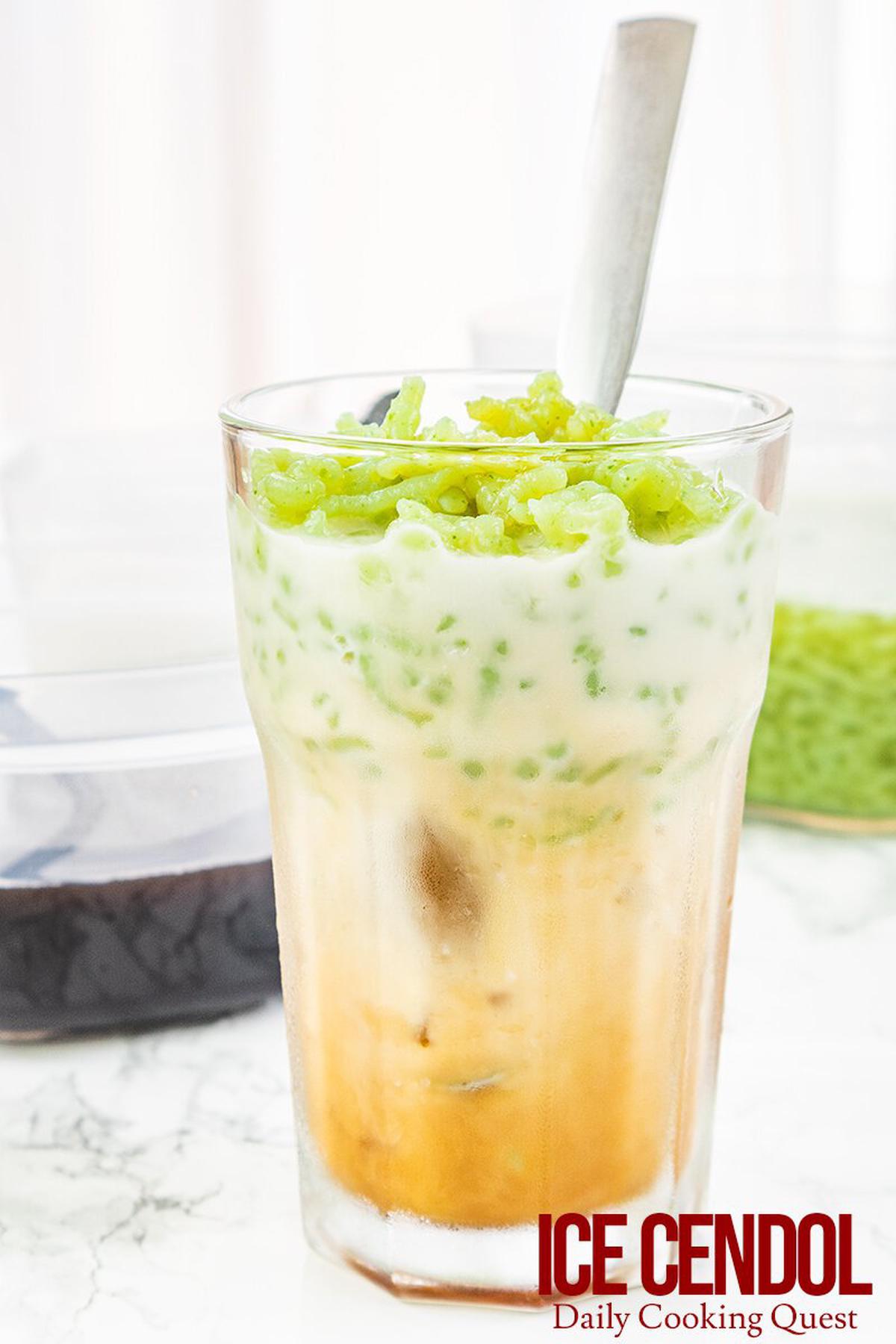 Medium
📜 Story
Medium
📜 Story
Es Cendol
Iced Pandan Jelly Drink
Afternoon refreshment, hot weather
Comments (0)
Log in to leave a comment.
No comments yet. Be the first to share your thoughts!