
Chewy, savory fish cakes made from mackerel and tapioca, deep-fried until golden, then drenched in cuko — a tangy, spicy vinegar sauce with palm sugar — Palembang's proudest creation.
Nutrition & Info
Allergen Warnings
Equipment Needed
Presentation Guide
Vessel: deep plate
Garnishes: cucumber, dried shrimp
Accompaniments: cuko vinegar sauce, yellow noodles
Instructions
-
1
Blend fish fillet in a food processor until smooth. Add garlic, salt, and sugar, blend again.
-
2
Gradually mix in tapioca starch and ice water, kneading until a smooth, pliable dough forms.
-
3
Shape into various forms: lenjer (cylindrical), kapal selam (boat with egg inside), or simple round patties.
-
4
Boil the shaped pempek in water for 5-7 minutes until they float. Drain and cool.
-
5
Deep-fry at 175°C (350°F) for 4-5 minutes until golden and crispy on the outside.
-
6
Make cuko sauce: dissolve palm sugar in water, add vinegar, crushed chilies, garlic, and salt. Simmer 5 minutes. Serve pempek drenched in cuko with cucumber and dried shrimp.
Did You Know?
Pempek kapal selam ("submarine pempek") contains a whole boiled egg inside the fish cake — when you slice it open, the golden yolk center resembles a submarine's periscope emerging from the sea.
Chef's Notes
Equipment Tips
- food processor
- large pot
- deep fryer
Garnishing
cucumber, dried shrimp
Accompaniments
cuko vinegar sauce, yellow noodles
The Story Behind Pempek
Pempek is believed to have originated from Chinese fishermen who settled in Palembang, South Sumatra, around the 16th century. They adapted their fish cake traditions using local river fish and tapioca. The cuko vinegar sauce is unique to Palembang and uses nira (palm sugar) from the abundant sugar palms of South Sumatra. Pempek has been designated as one of Indonesia's cultural heritage foods.
More Indonesian Dishes
 Hard
📜 Story
Hard
📜 Story
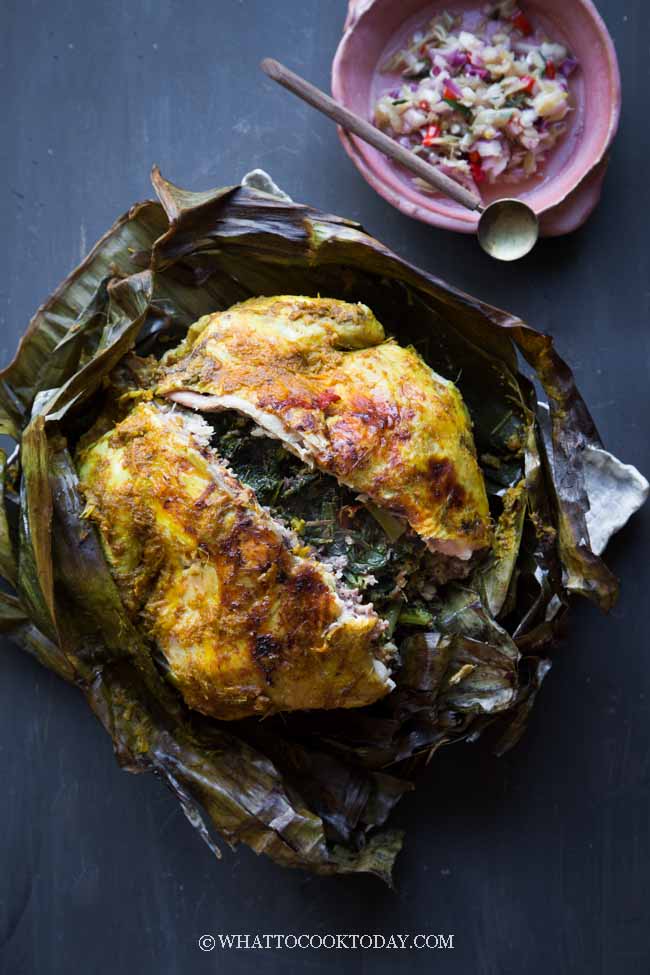
Ayam Betutu
Balinese Spiced Chicken
Ceremonies, temple festivals, special occasions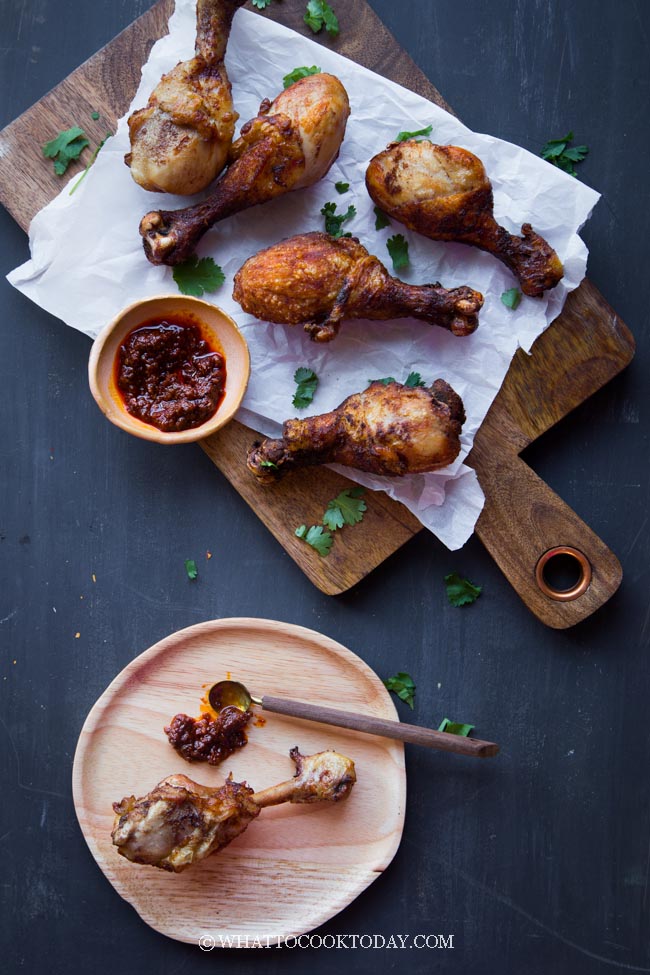 Medium
📜 Story
Medium
📜 Story
Ayam Goreng Kalasan
Kalasan Fried Chicken
Lunch or dinner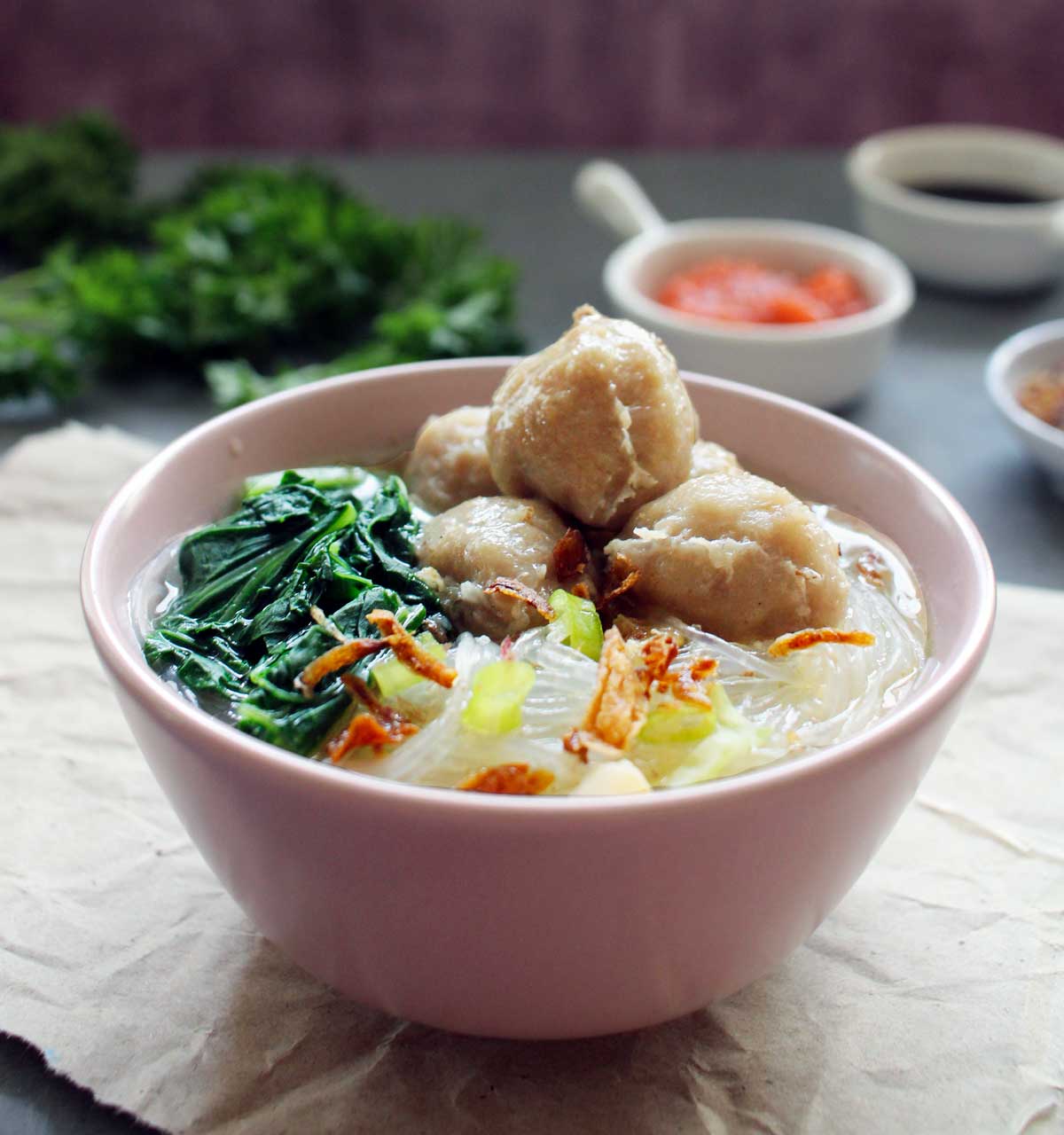 Medium
📜 Story
Medium
📜 Story
Bakso
Indonesian Beef Meatball Soup
Anytime snack or meal, especially from street carts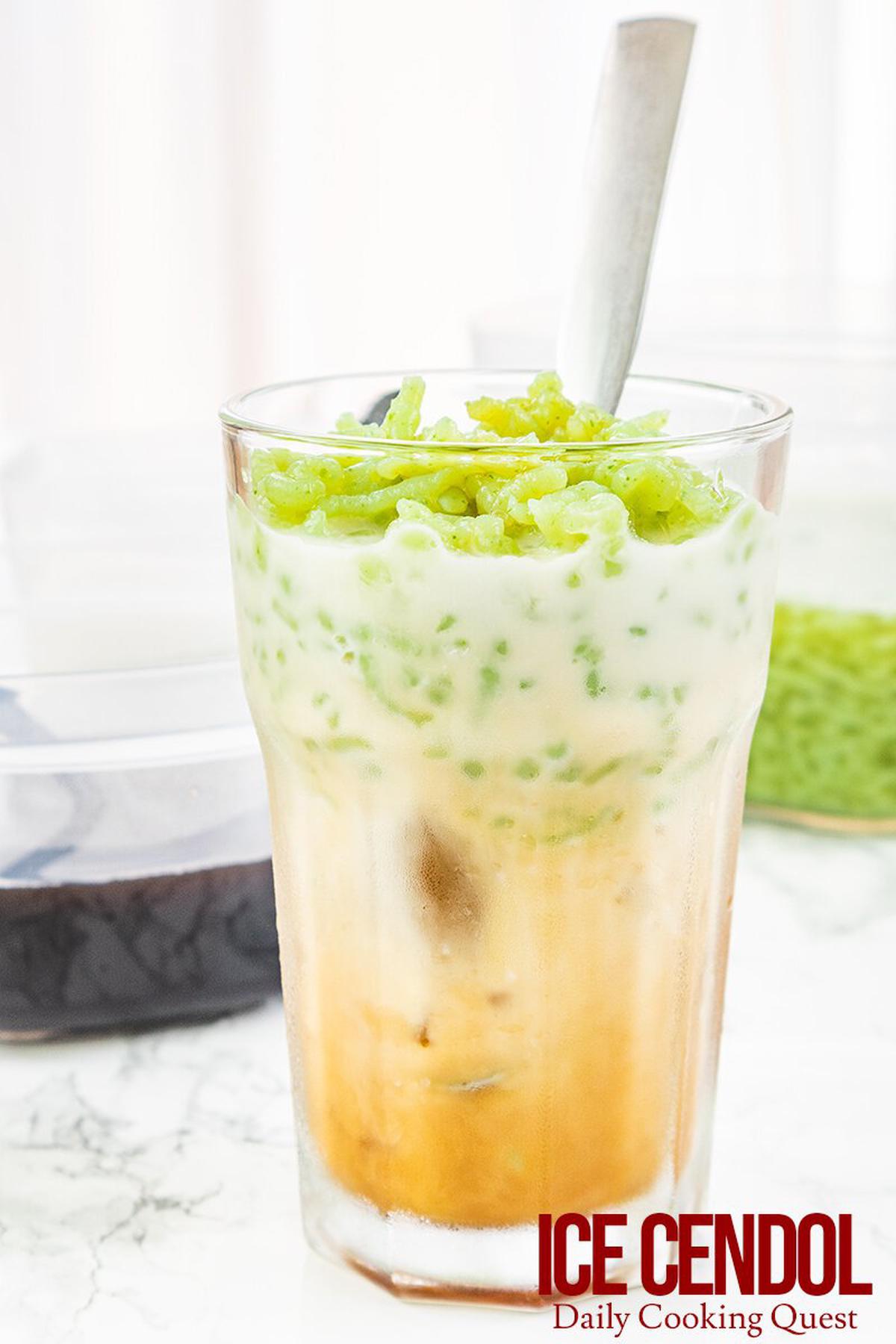 Medium
📜 Story
Medium
📜 Story
Es Cendol
Iced Pandan Jelly Drink
Afternoon refreshment, hot weather
Comments (0)
Log in to leave a comment.
No comments yet. Be the first to share your thoughts!