A magnificent spread of steamed rice surrounded by a dazzling array of Minangkabau dishes — rendang, curried vegetables, fried chicken, sambal, and more — served in towering stacked tiffin carriers.
Nutrition & Info
Allergen Warnings
Equipment Needed
Presentation Guide
Vessel: banana leaf-lined plate
Garnishes: kerupuk, cucumber, sambal
Accompaniments: iced sweet tea (es teh manis)
Instructions
-
1
Prepare rendang: slow-cook beef in coconut milk and spices for 2-3 hours until dry and deeply caramelized.
-
2
Slow-cook cassava leaves in coconut milk with turmeric, galangal, and chili for 2 hours until silky and dark green.
-
3
Fry chicken pieces until golden and crispy. Stir-fry long beans with red chili and shrimp paste.
-
4
Make sambal hijau by grinding green chilies, shallots, and lime juice.
-
5
Hard-boil eggs, then simmer in a spicy coconut sauce until deeply flavored.
-
6
Mound rice in the center of each plate and arrange all dishes around it. Serve with kerupuk and cucumber.
Did You Know?
In traditional Padang restaurants, servers carry dozens of small plates stacked up their arms in towering columns — you only pay for the dishes you eat.
Chef's Notes
Equipment Tips
- multiple saucepans
- steamer
- tiffin carrier
Garnishing
kerupuk, cucumber, sambal
Accompaniments
iced sweet tea (es teh manis)
The Story Behind Nasi Padang
Nasi Padang originates from the Minangkabau people of West Sumatra, one of the world's largest matrilineal societies. The Minangkabau tradition of merantau (migrating to seek fortune) spread Padang restaurants across Indonesia and Southeast Asia. The elaborate multi-dish format reflects the Minangkabau philosophy of communal generosity and hospitality.
More Indonesian Dishes
 Hard
📜 Story
Hard
📜 Story
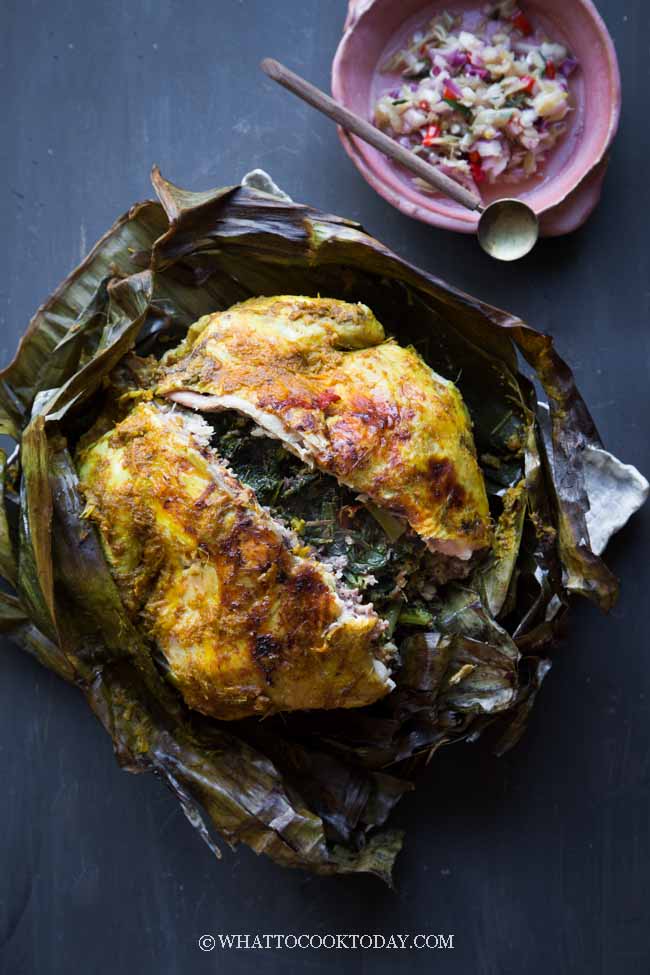
Ayam Betutu
Balinese Spiced Chicken
Ceremonies, temple festivals, special occasions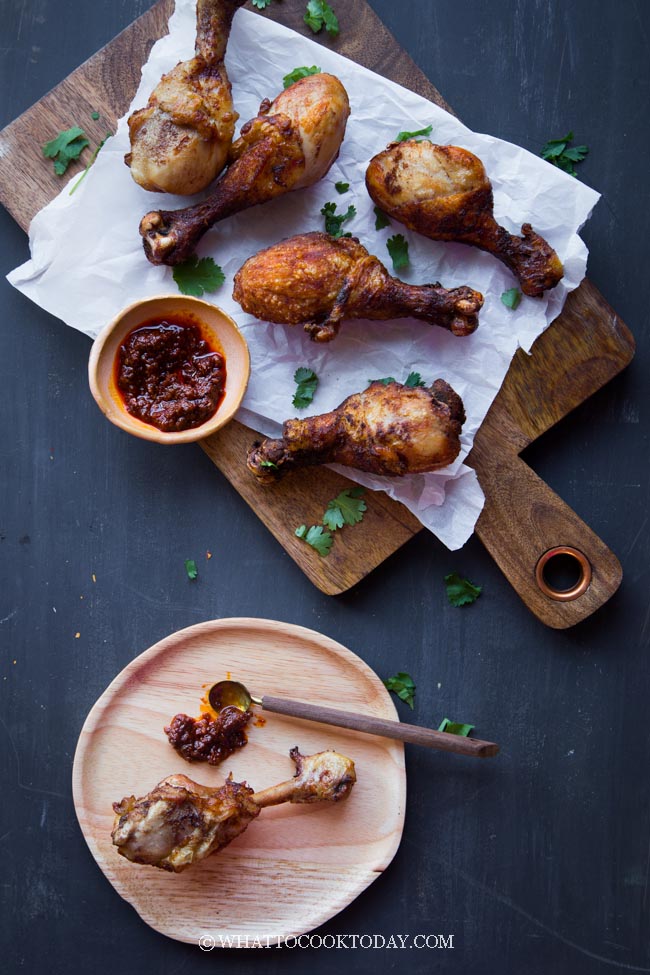 Medium
📜 Story
Medium
📜 Story
Ayam Goreng Kalasan
Kalasan Fried Chicken
Lunch or dinner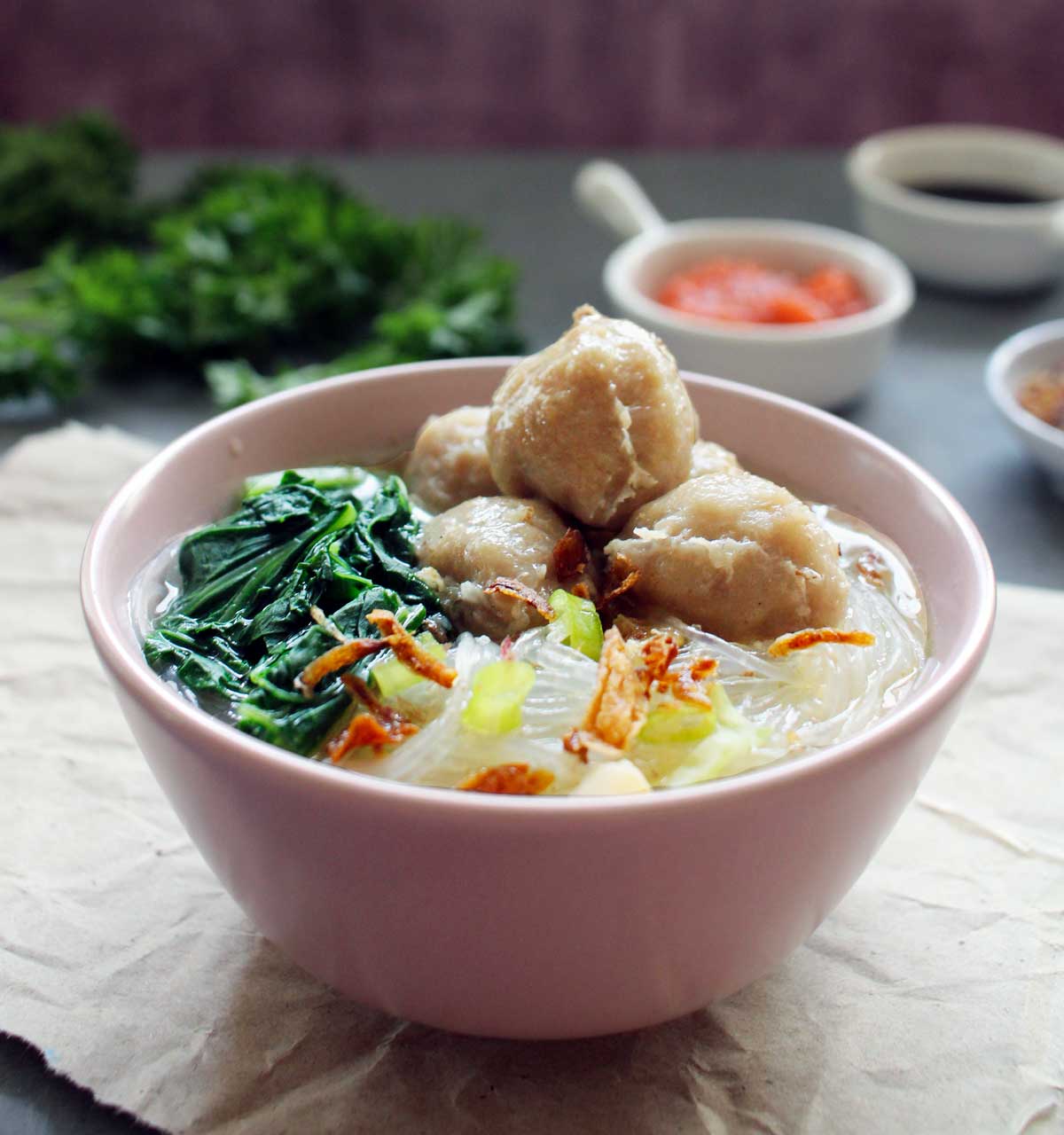 Medium
📜 Story
Medium
📜 Story
Bakso
Indonesian Beef Meatball Soup
Anytime snack or meal, especially from street carts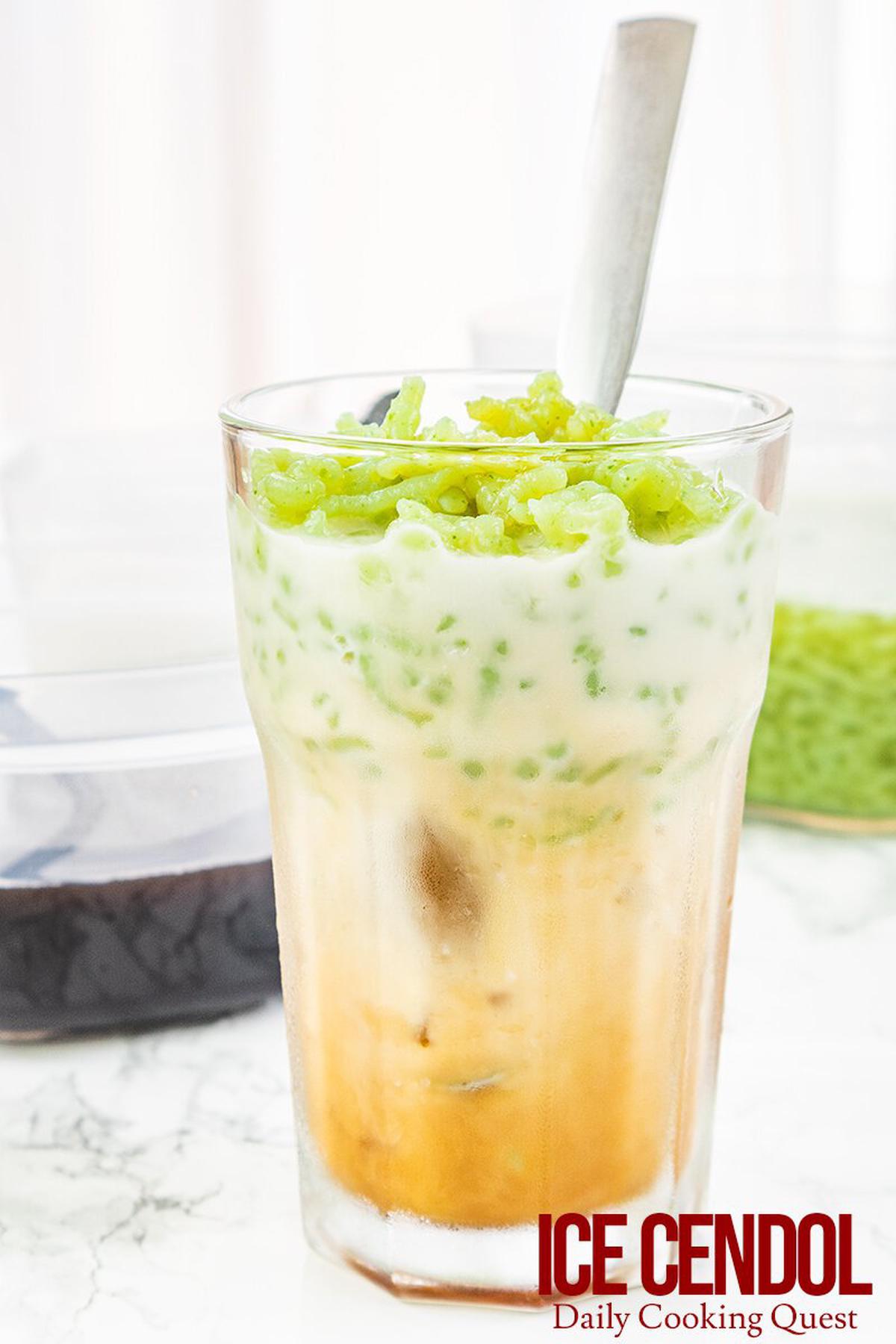 Medium
📜 Story
Medium
📜 Story
Es Cendol
Iced Pandan Jelly Drink
Afternoon refreshment, hot weather
Comments (0)
Log in to leave a comment.
No comments yet. Be the first to share your thoughts!