
Brilliantly golden turmeric-coconut rice molded into a cone shape (tumpeng), surrounded by an elaborate spread of side dishes — Indonesia's most festive and ceremonial rice preparation.
Nutrition & Info
Allergen Warnings
Equipment Needed
Presentation Guide
Vessel: large platter with banana leaf
Garnishes: shredded omelet, chili flowers
Accompaniments: fried chicken, serundeng, sambal, kerupuk
Instructions
-
1
Wash rice and combine in a rice cooker with coconut milk, water, turmeric, pandan leaves, lemongrass, bay leaves, and salt.
-
2
Cook until rice is fluffy and brilliantly yellow. Remove aromatics.
-
3
Pack the yellow rice into a cone-shaped mold (or form into a cone by hand on a platter).
-
4
Unmold the rice cone onto a large round platter (traditionally lined with banana leaves).
-
5
Arrange all side dishes around the base of the cone: shredded omelet, fried chicken, serundeng, sambal goreng kentang, perkedel, kerupuk, and cucumber.
-
6
The guest of honor traditionally cuts the top of the cone and serves it to the most respected person present.
Did You Know?
The cone shape of nasi tumpeng represents Mount Meru from Hindu-Buddhist tradition and symbolizes gratitude to God — the top of the cone is always served to the most honored guest.
Chef's Notes
Equipment Tips
- rice cooker
- cone-shaped mold or parchment cone
- serving platter
Garnishing
shredded omelet, chili flowers
Accompaniments
fried chicken, serundeng, sambal, kerupuk
The Story Behind Nasi Kuning
Nasi kuning in tumpeng form is Indonesia's ceremonial masterpiece, recognized by the Indonesian government as the official national dish in 2014. The cone shape has roots in Hindu-Javanese tradition, representing the sacred mountain. The yellow color symbolizes prosperity and good fortune. Every Indonesian celebration — from birthdays to national holidays — features a tumpeng as the centerpiece.
More Indonesian Dishes
 Hard
📜 Story
Hard
📜 Story
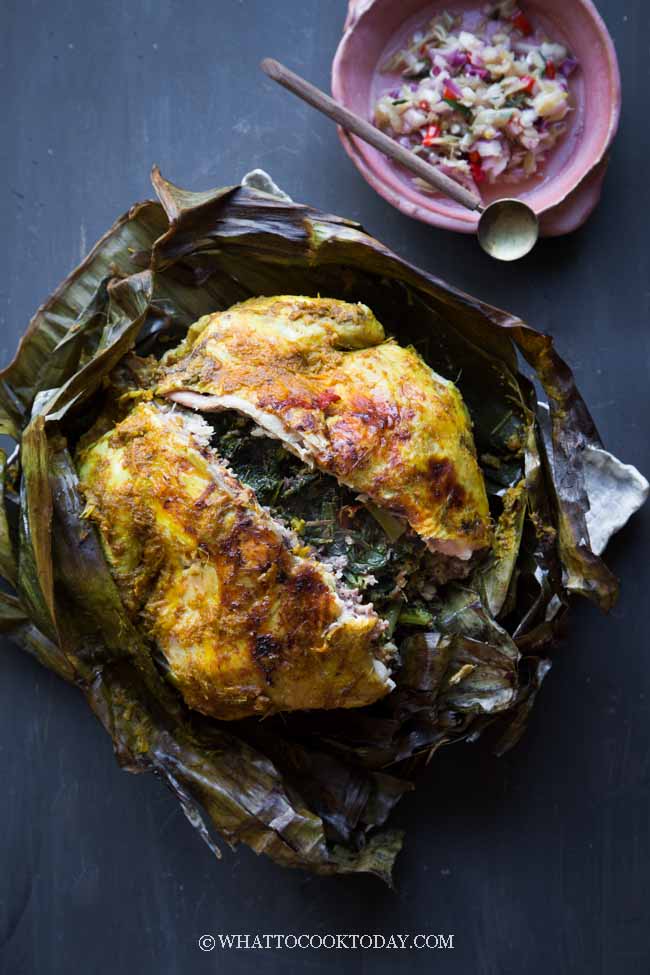
Ayam Betutu
Balinese Spiced Chicken
Ceremonies, temple festivals, special occasions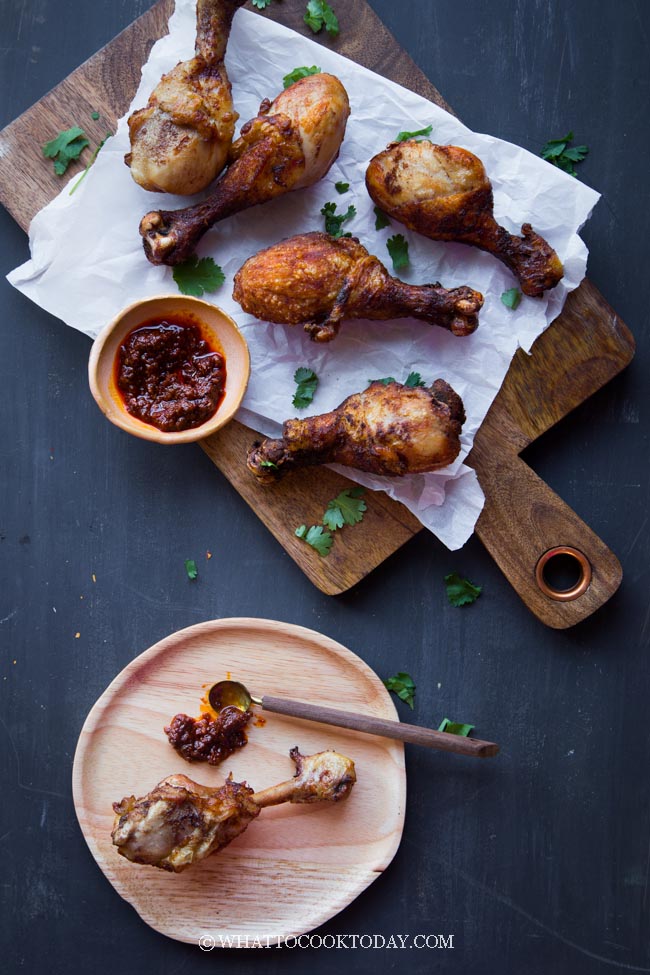 Medium
📜 Story
Medium
📜 Story
Ayam Goreng Kalasan
Kalasan Fried Chicken
Lunch or dinner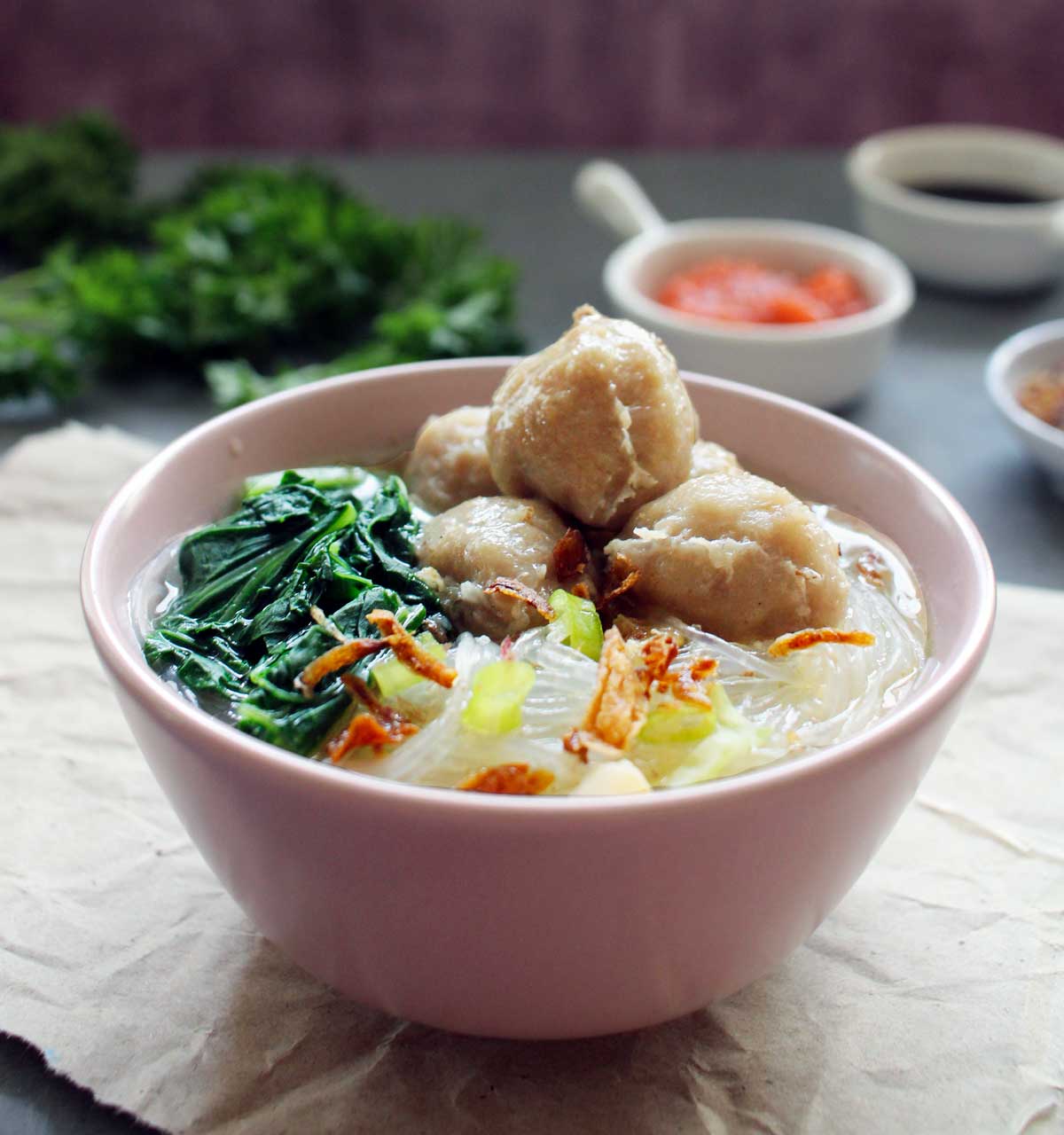 Medium
📜 Story
Medium
📜 Story
Bakso
Indonesian Beef Meatball Soup
Anytime snack or meal, especially from street carts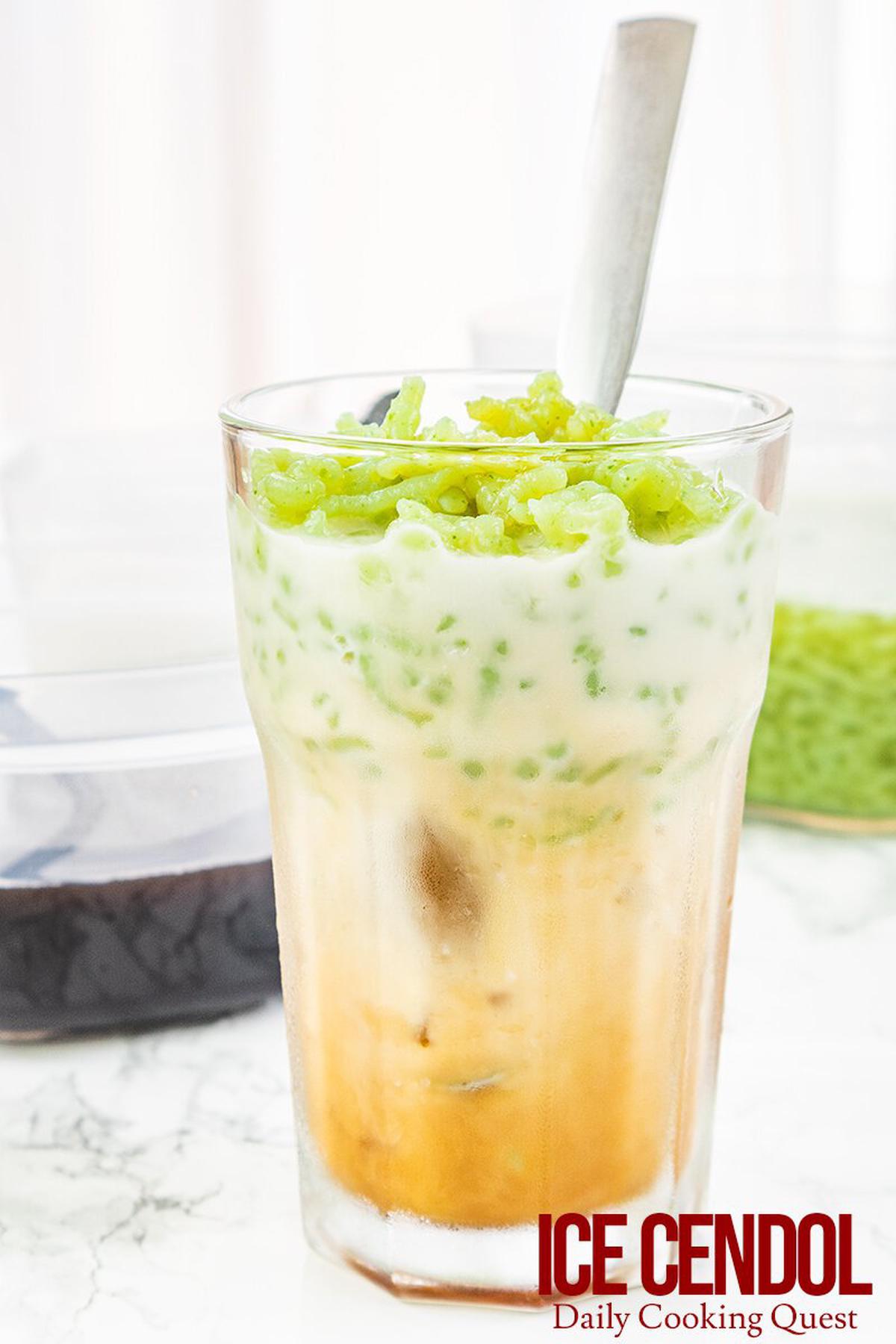 Medium
📜 Story
Medium
📜 Story
Es Cendol
Iced Pandan Jelly Drink
Afternoon refreshment, hot weather
Comments (0)
Log in to leave a comment.
No comments yet. Be the first to share your thoughts!