
Indonesia's iconic fried rice tossed in sweet soy sauce with chicken, shrimp paste, and a fried egg on top. Smoky, sweet, and utterly addictive street food.
Nutrition & Info
Allergen Warnings
Equipment Needed
Presentation Guide
Vessel: flat plate
Garnishes: fried egg on top, cucumber slices, prawn crackers
Accompaniments: sambal, kecap manis
Instructions
-
1
Using a mortar and pestle or small food processor, grind the sliced shallots, garlic, fresh red chillies, and toasted shrimp paste together into a coarse, aromatic paste, pounding until no large pieces remain.
-
2
Heat two tablespoons of oil in a large wok or wide skillet over high heat until the oil begins to shimmer and smoke lightly, then add the ground spice paste and stir-fry for one minute until deeply fragrant.
-
3
Add the diced chicken to the wok and cook on high heat for three to four minutes, tossing constantly, until the chicken pieces are cooked through, lightly browned, and coated in the spice paste.
-
4
Break apart the cold day-old rice with your hands over the wok, then add it all at once, tossing vigorously with the spatula on the highest heat to coat every grain in the spice paste and achieve the characteristic smoky flavour.
-
5
Pour the kecap manis over the rice and continue tossing energetically for two to three minutes, ensuring the sweet soy sauce is evenly distributed and the rice develops some caramelised, slightly crispy grains on the bottom.
-
6
Push the fried rice to the sides of the wok, add the remaining tablespoon of oil to the cleared centre, crack the eggs into the space, and fry them sunny-side up until the whites are set but the yolks remain gloriously runny.
-
7
Season the rice with salt, taste, and adjust the kecap manis if needed, then divide the nasi goreng between plates, sliding a fried egg on top of each mound so the yolk breaks over the rice when cut.
-
8
Garnish each plate with sliced cucumber, tomato wedges, a scatter of crispy fried shallots, and a handful of prawn crackers on the side, serving immediately as Indonesia's most beloved street food breakfast.
Did You Know?
Nasi goreng was voted the second-best food in the world by CNN Travel and is Indonesia's unofficial national dish.
Chef's Notes
Equipment Tips
- wok
- sharp knife
- spatula
Garnishing
fried egg on top, cucumber slices, prawn crackers
Accompaniments
sambal, kecap manis
The Story Behind Nasi Goreng
### The Story
Nasi goreng, Indonesia's iconic fried rice, is considered the country's national dish and was voted one of the world's most delicious foods in international surveys. The technique of frying day-old rice in a wok arrived with Chinese immigrants to the Indonesian archipelago, likely during the early centuries of the Common Era, but Indonesians transformed it into something entirely their own through the addition of kecap manis (sweet soy sauce), terasi (shrimp paste), sambal, and aromatic spice pastes. By the colonial period, nasi goreng had become ubiquitous across the archipelago, eaten by all social classes from street stalls to Dutch colonial dining rooms, where it was served as part of the elaborate rijsttafel.
### On the Calendar
Nasi goreng is eaten at any time of day, including breakfast, and has no seasonal or ceremonial restrictions. It is the quintessential everyday food of Indonesia, available at virtually every warung and restaurant.
### Then & Now
The essential character of nasi goreng comes from kecap manis, which gives the rice its characteristic dark color and sweet-savory depth, and from terasi, which provides umami intensity. Toppings vary but classically include a fried egg, kerupuk (shrimp crackers), sliced cucumber, and pickled vegetables. Every household and street vendor has their own version -- some add chicken, others seafood, and the level of sambal heat is always personal. The wok must be screaming hot to achieve the smoky char (wok hei) that defines excellent nasi goreng.
### Legacy
Nasi goreng is Indonesia's culinary calling card, a dish that proves the most extraordinary food often comes from the simplest premise -- yesterday's rice, a hot wok, and bold seasoning.
More Indonesian Dishes
 Hard
📜 Story
Hard
📜 Story
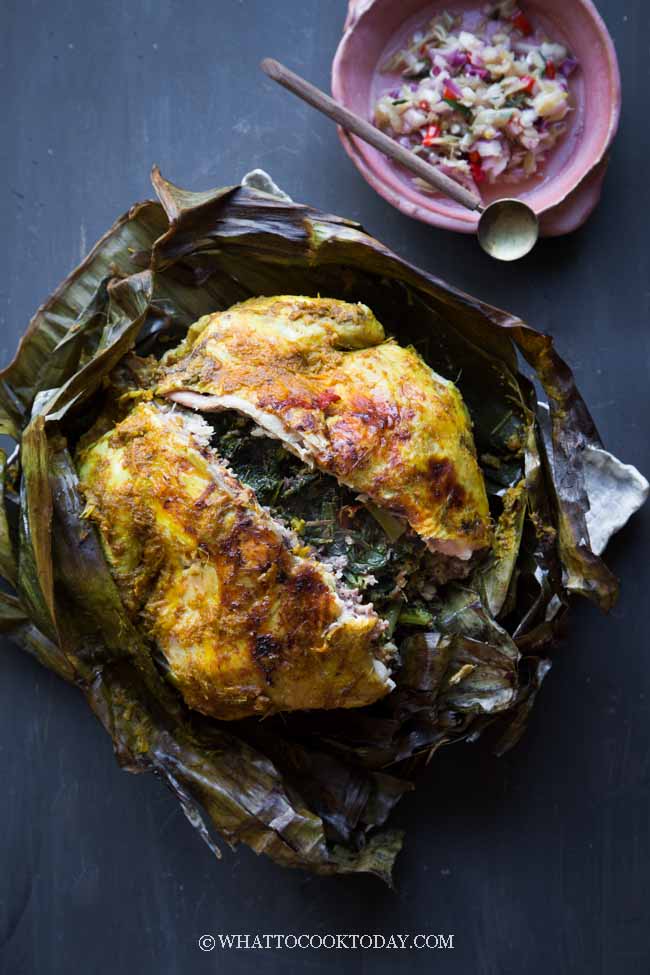
Ayam Betutu
Balinese Spiced Chicken
Ceremonies, temple festivals, special occasions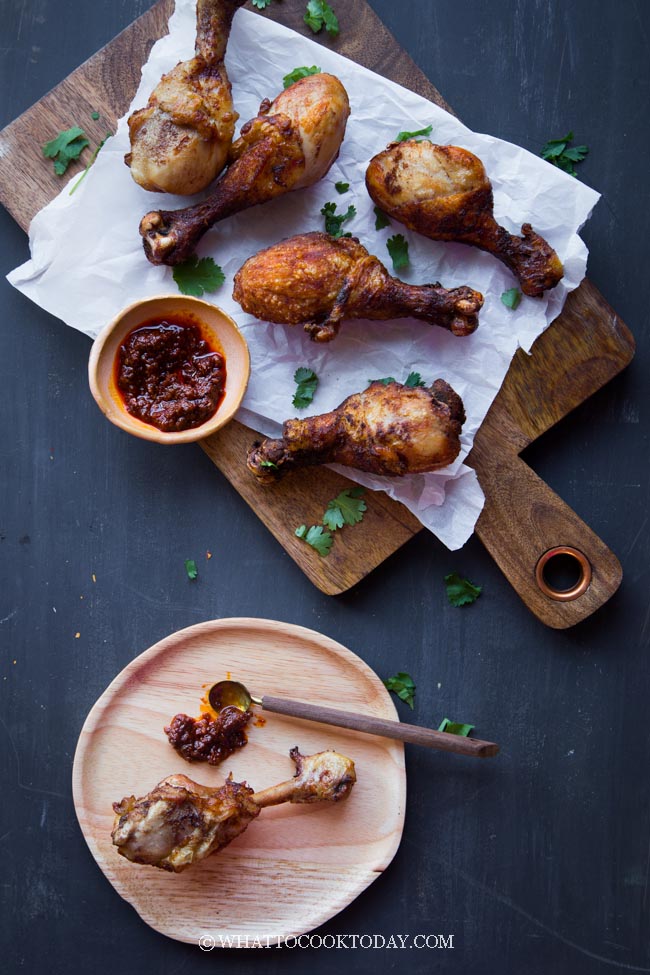 Medium
📜 Story
Medium
📜 Story
Ayam Goreng Kalasan
Kalasan Fried Chicken
Lunch or dinner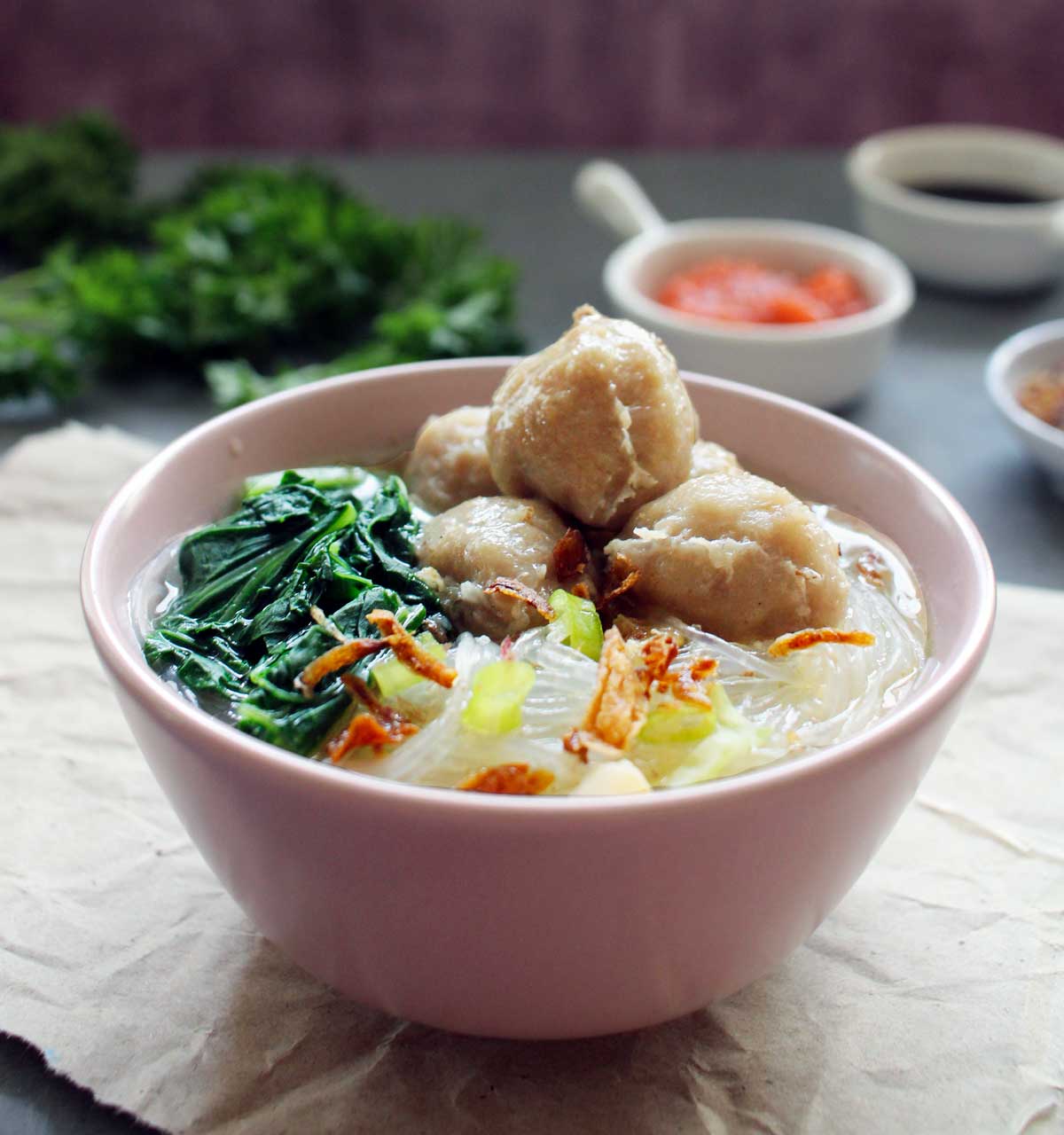 Medium
📜 Story
Medium
📜 Story
Bakso
Indonesian Beef Meatball Soup
Anytime snack or meal, especially from street carts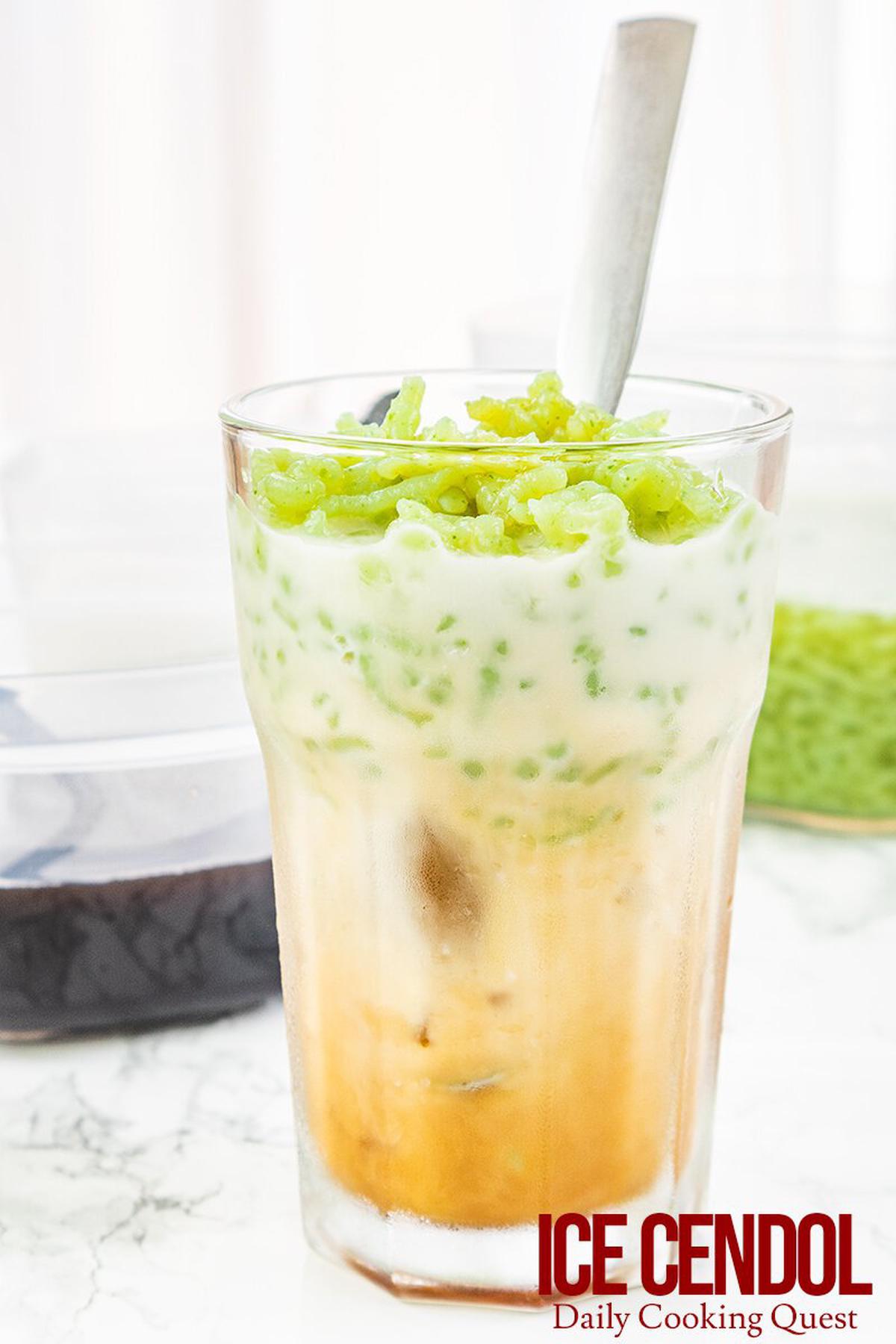 Medium
📜 Story
Medium
📜 Story
Es Cendol
Iced Pandan Jelly Drink
Afternoon refreshment, hot weather
Comments (1)
Log in to leave a comment.
Made this last weekend and my family loved it. Will definitely make again!