
Springy egg noodles wok-fried over roaring heat with sweet soy sauce, garlic, cabbage, and chicken, finished with a fried egg on top and a squeeze of fresh lime.
Nutrition & Info
Allergen Warnings
Equipment Needed
Presentation Guide
Vessel: flat plate
Garnishes: fried egg, fried shallots, lime wedge
Accompaniments: sambal, kerupuk, pickled cucumber
Instructions
-
1
Cook egg noodles according to package directions, drain, and toss with a little sesame oil to prevent sticking.
-
2
Heat vegetable oil in a wok over high heat. Stir-fry chicken slices for 3 minutes until cooked through. Set aside.
-
3
In the same wok, sauté garlic and shallots for 30 seconds. Add cabbage and carrot, stir-fry 2 minutes.
-
4
Return chicken to the wok, add noodles, kecap manis, soy sauce, and oyster sauce. Toss vigorously for 2 minutes.
-
5
Push noodles aside, fry eggs sunny-side up in the wok. Plate noodles and top with fried egg.
-
6
Garnish with fried shallots, sambal, and lime wedges.
Did You Know?
The iconic Indomie instant noodle brand, Indonesia's most famous export, is based on the flavors of mie goreng and sells over 16 billion packets per year worldwide.
Chef's Notes
Equipment Tips
- wok
- tongs
Garnishing
fried egg, fried shallots, lime wedge
Accompaniments
sambal, kerupuk, pickled cucumber
The Story Behind Mie Goreng
Mie goreng arrived in Indonesia through Chinese immigrants who adapted their stir-fried noodle techniques to local ingredients, especially kecap manis (sweet soy sauce), which gives the dish its distinctive caramelized sweetness. It became a cornerstone of Indonesian street food culture, found at every warung (food stall) and gerobak (food cart) across the archipelago.
More Indonesian Dishes
 Hard
📜 Story
Hard
📜 Story
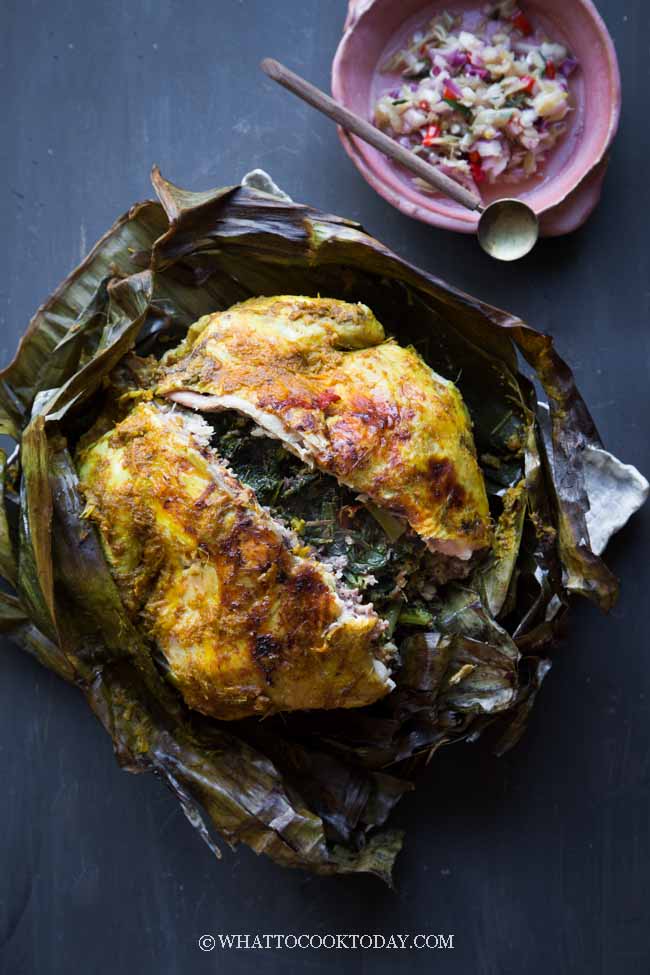
Ayam Betutu
Balinese Spiced Chicken
Ceremonies, temple festivals, special occasions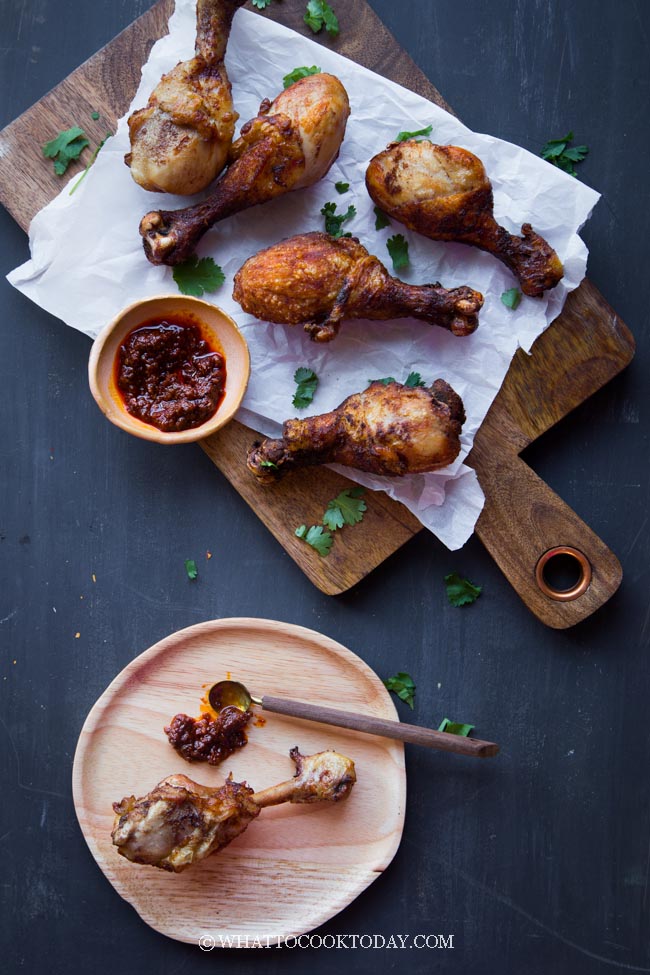 Medium
📜 Story
Medium
📜 Story
Ayam Goreng Kalasan
Kalasan Fried Chicken
Lunch or dinner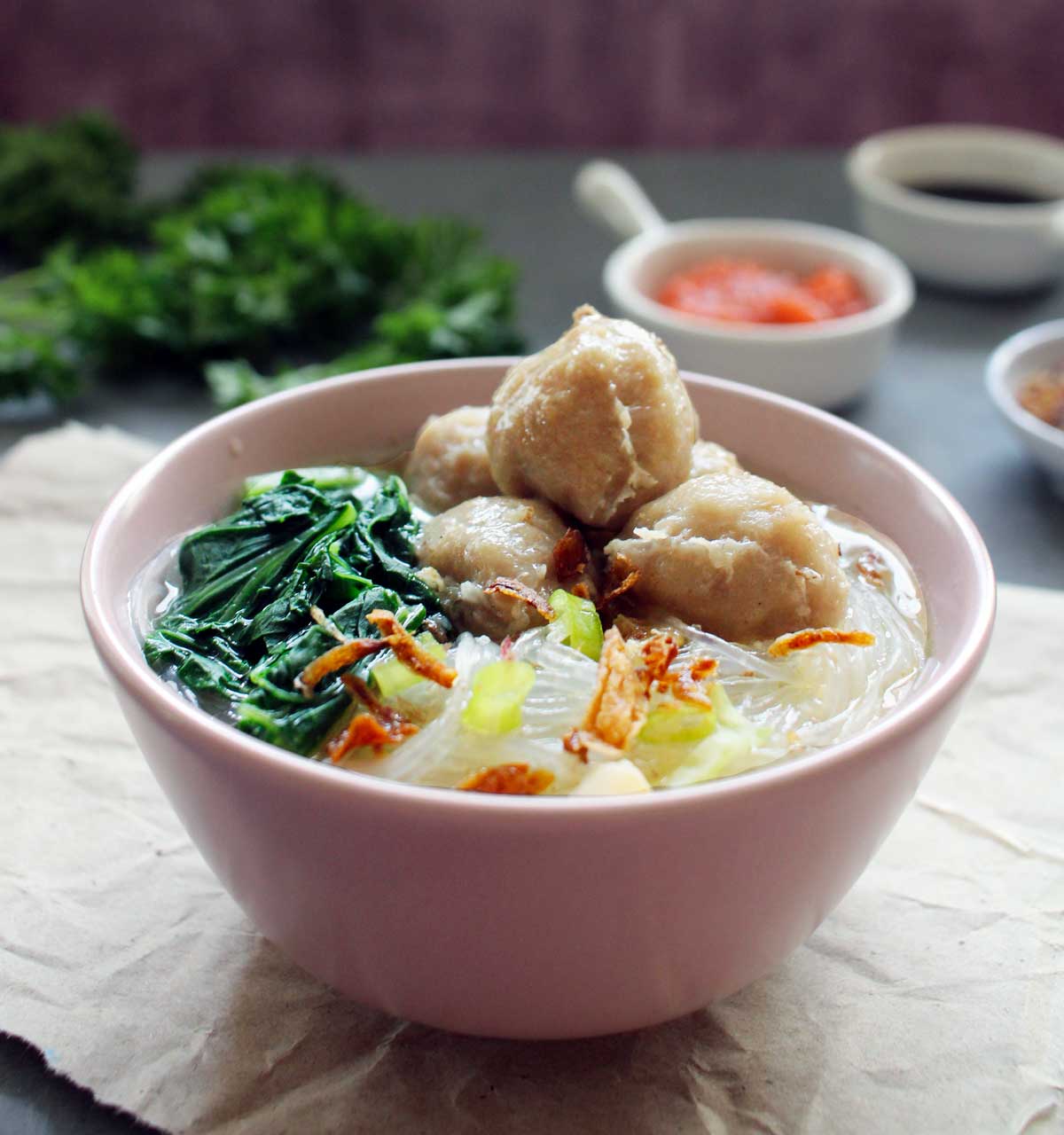 Medium
📜 Story
Medium
📜 Story
Bakso
Indonesian Beef Meatball Soup
Anytime snack or meal, especially from street carts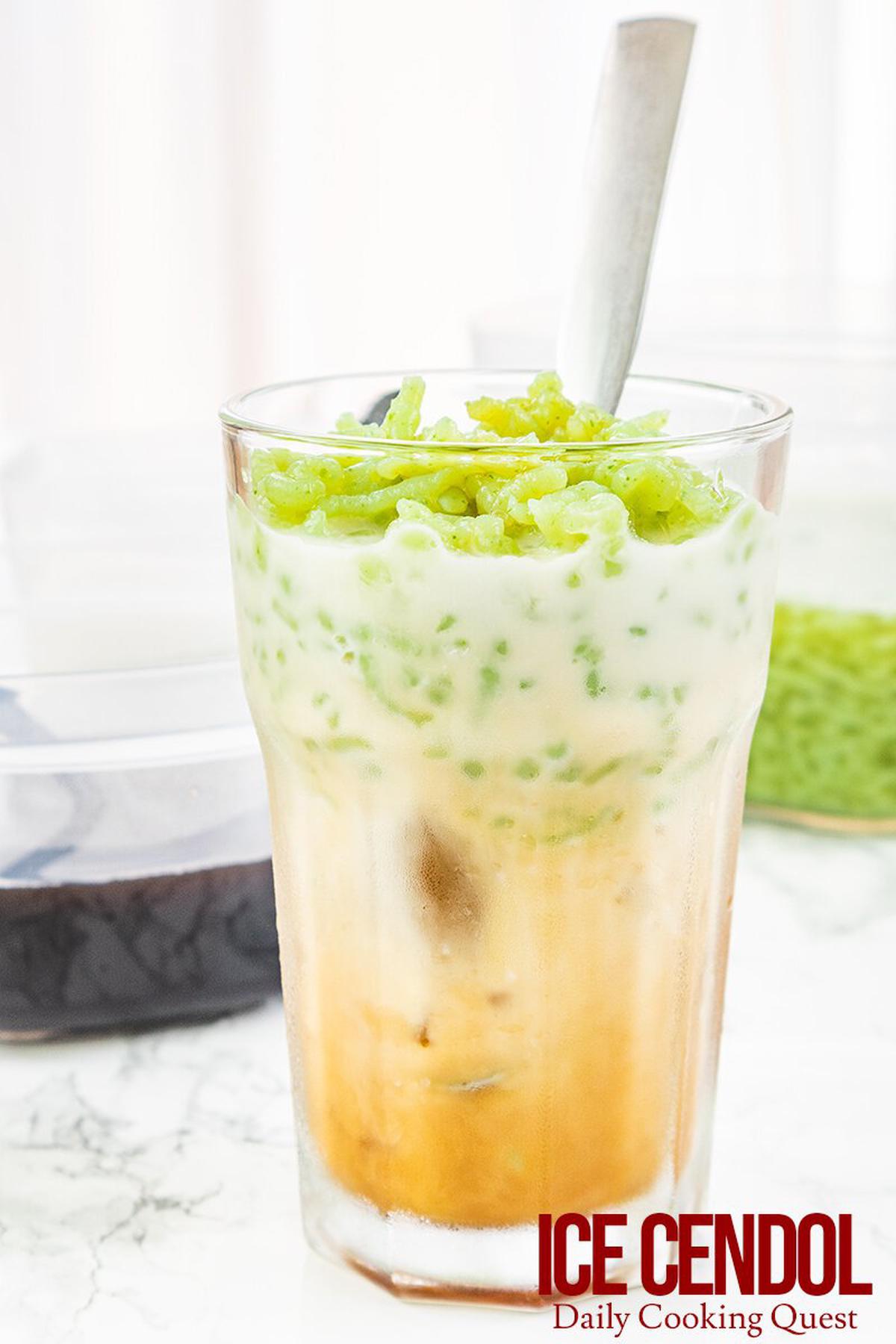 Medium
📜 Story
Medium
📜 Story
Es Cendol
Iced Pandan Jelly Drink
Afternoon refreshment, hot weather
Comments (0)
Log in to leave a comment.
No comments yet. Be the first to share your thoughts!