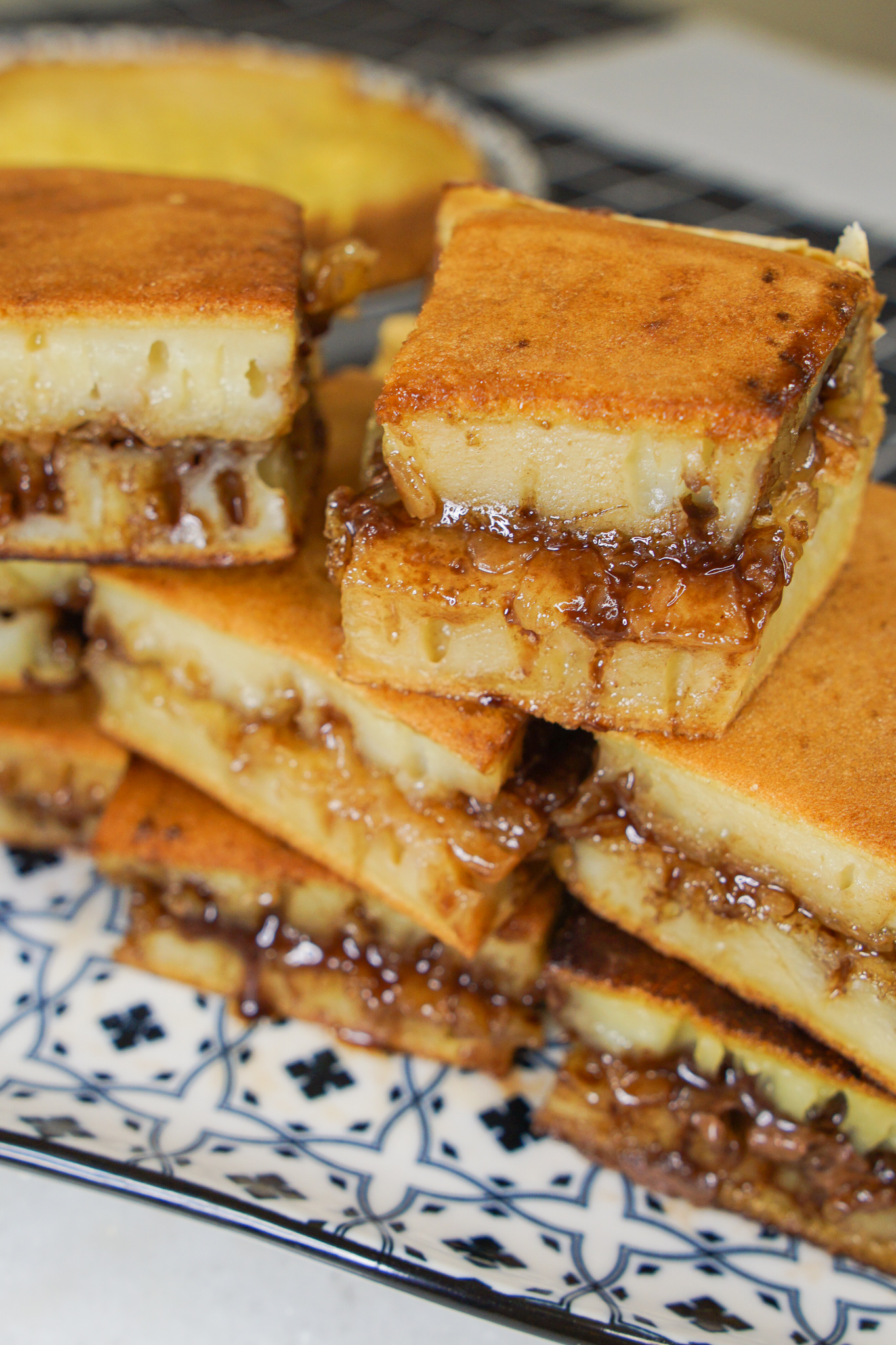
Martabak Manis
Martabak Manis (mar-TAH-bak MAH-nis)
Sweet Thick Pancake
A thick, fluffy, crumpet-like pancake with a thousand honeycomb holes, slathered with butter, condensed milk, chocolate sprinkles, crushed peanuts, and cheese — Indonesia's ultimate late-night indulgence.
Nutrition & Info
Allergen Warnings
Equipment Needed
Presentation Guide
Vessel: paper box
Garnishes: extra butter, condensed milk drizzle
Accompaniments: hot tea or coffee
Instructions
-
1
Dissolve yeast in warm water with a pinch of sugar. Let stand 5 minutes until foamy.
-
2
Whisk flour, sugar, eggs, yeast mixture, baking soda, baking powder, and salt into a smooth batter. Rest for 30 minutes.
-
3
Heat a wide, deep martabak pan (or cast iron skillet) over medium-low heat. Grease lightly.
-
4
Pour batter into the pan, cover, and cook for 15-20 minutes until the top is set, full of tiny holes, and the bottom is deep golden brown.
-
5
Remove from pan. Immediately spread generously with melted butter and condensed milk.
-
6
Shower with chocolate sprinkles, crushed peanuts, grated cheese, and sesame seeds. Fold in half, cut into pieces, and serve warm.
Did You Know?
Martabak manis vendors are essentially Indonesian pancake artists — customers choose their own combination of toppings, and the most popular stands have lines stretching down the street at midnight.
Chef's Notes
Equipment Tips
- special martabak pan (wide, deep)
- whisk
- spatula
Garnishing
extra butter, condensed milk drizzle
Accompaniments
hot tea or coffee
The Story Behind Martabak Manis
Martabak manis evolved from Arab-influenced stuffed pancakes that arrived in Indonesia through centuries of trade with the Middle East and India. The sweet version is distinctly Indonesian, with toppings reflecting the country's love of bold flavor combinations. It became one of Indonesia's most iconic street foods, with vendors operating exclusively in the evening hours.
More Indonesian Dishes
 Hard
📜 Story
Hard
📜 Story
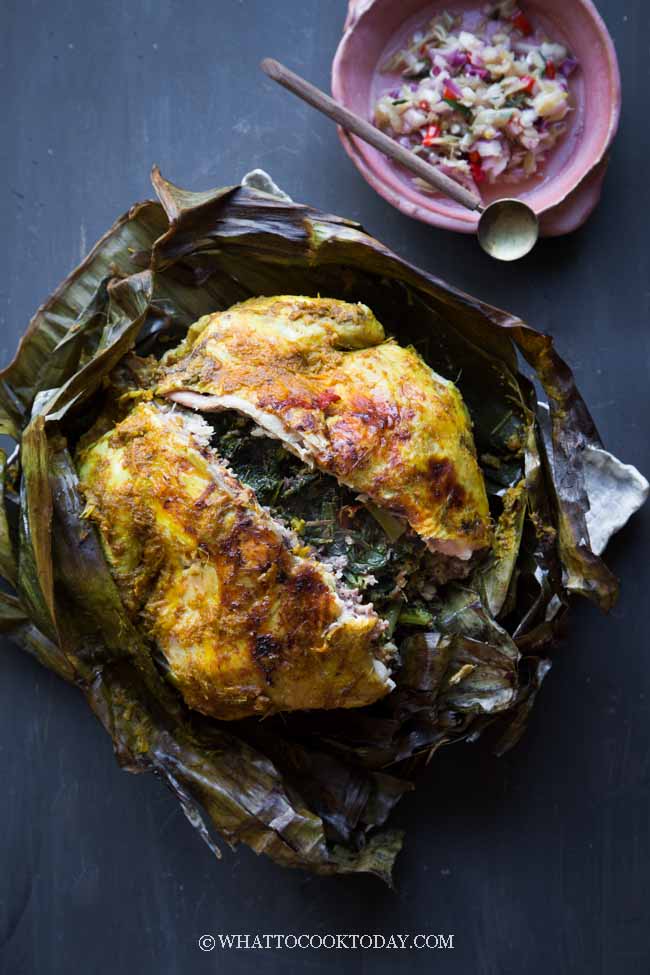
Ayam Betutu
Balinese Spiced Chicken
Ceremonies, temple festivals, special occasions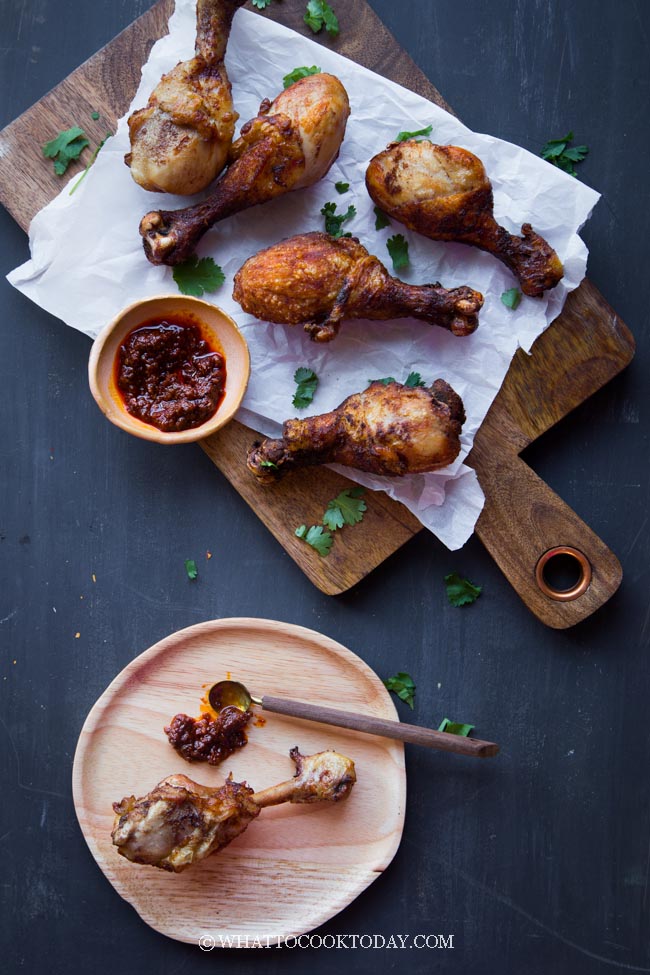 Medium
📜 Story
Medium
📜 Story
Ayam Goreng Kalasan
Kalasan Fried Chicken
Lunch or dinner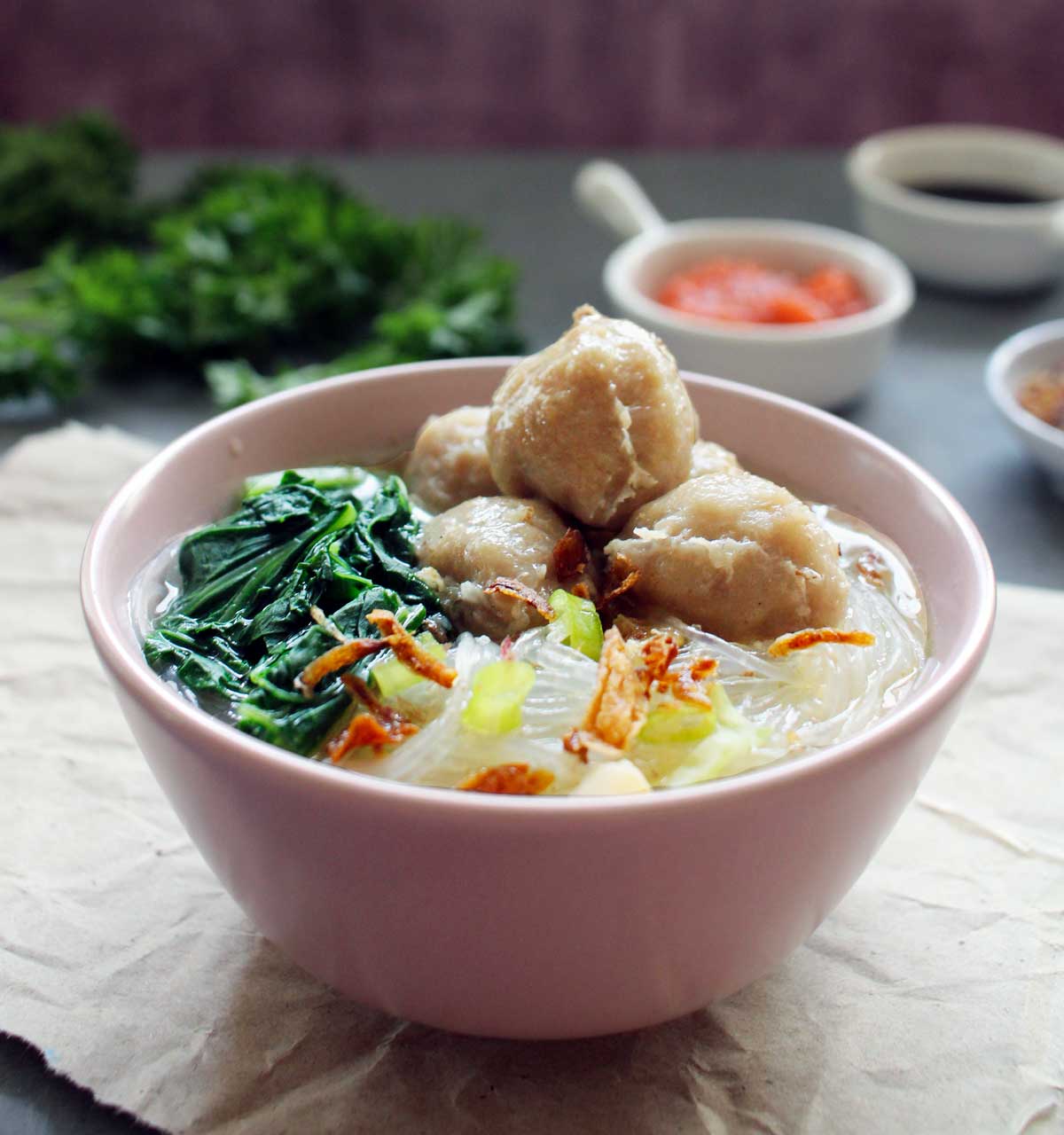 Medium
📜 Story
Medium
📜 Story
Bakso
Indonesian Beef Meatball Soup
Anytime snack or meal, especially from street carts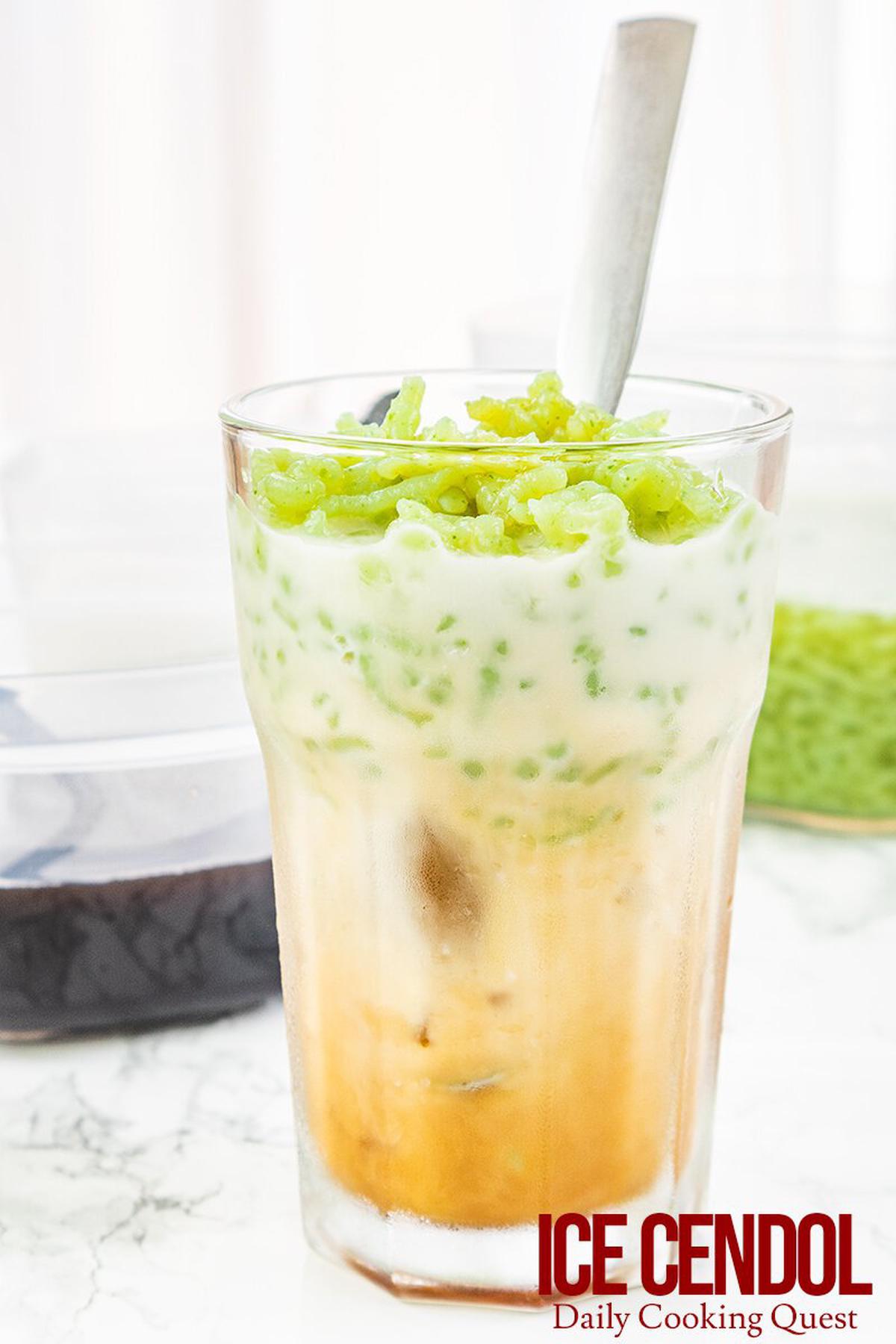 Medium
📜 Story
Medium
📜 Story
Es Cendol
Iced Pandan Jelly Drink
Afternoon refreshment, hot weather
Comments (0)
Log in to leave a comment.
No comments yet. Be the first to share your thoughts!