
Bright green pandan-scented rice balls with a molten palm sugar center, rolled in freshly grated coconut. Biting into one releases a burst of liquid caramel.
Nutrition & Info
Allergen Warnings
Equipment Needed
Presentation Guide
Instructions
-
1
Prepare the pandan juice by blending six pandan leaves with 100ml of water in a blender for one minute, then straining through a fine sieve, pressing the pulp to extract all the fragrant, bright green liquid.
-
2
Mix the freshly grated coconut with the salt in a shallow bowl, tossing to distribute the salt evenly, then steam the seasoned coconut over boiling water for five minutes to soften it and remove any raw taste.
-
3
Place the glutinous rice flour in a large mixing bowl, pour in the pandan juice, and add warm water gradually while mixing with your hands until you achieve a smooth, pliable dough that does not crack when pinched.
-
4
Pinch off a walnut-sized piece of dough, roll it into a ball, then press your thumb into the centre to create a small cup. Place a teaspoon of the finely chopped palm sugar into the hollow, then pinch the edges closed and roll smooth.
-
5
Bring a large pot of water to a rolling boil. Drop the filled balls into the water in batches of eight to ten, being careful not to overcrowd, and cook until they float to the surface, then continue boiling for two more minutes.
-
6
Remove the cooked klepon from the boiling water with a slotted spoon, shake off excess water briefly, and immediately roll them in the steamed grated coconut, pressing gently to ensure the coconut adheres to the entire surface.
-
7
Arrange the finished klepon on a serving plate lined with banana leaf if available, allowing them to cool for just a few minutes. They are best eaten within a few hours while the dough is still soft and chewy.
-
8
Bite into each klepon carefully, as the palm sugar centre will have melted into a warm, liquid caramel that bursts out of the chewy green shell, creating the signature sweet surprise that makes this Indonesian treat irresistible.
Did You Know?
The surprise burst of liquid palm sugar when you bite a klepon is called the 'klepon explosion' and catching it without spilling is a fun challenge.
Chef's Notes
Equipment Tips
- mixing bowl
- pot for boiling
- plate with shredded coconut
Garnishing
shredded coconut coating
Accompaniments
The Story Behind Klepon
### The Story
Klepon (also spelled kelepon) are small, jewel-green rice balls made from glutinous rice flour tinted with pandan juice, filled with a molten center of palm sugar (gula melaka), then boiled and rolled in freshly grated coconut. These bite-sized sweets are among Indonesia's most beloved jajan pasar (market snacks), with roots in the Javanese court traditions of the Mataram Sultanate (16th-18th century), where elaborate sweets made from rice flour, coconut, and palm sugar were served at royal ceremonies. The pandan leaf, which gives klepon its signature green color and fragrant aroma, is native to Southeast Asia and has been used in Indonesian cooking for centuries.
### On the Calendar
Klepon are an everyday snack sold at morning markets (pasar pagi) across Java and Bali, typically enjoyed with morning coffee or tea. They also appear at selamatan (communal prayer gatherings) and celebrations.
### Then & Now
The magic of klepon lies in the surprise burst of liquid palm sugar when bitten, a textural experience that delights every time. Traditional preparation requires careful sealing of the rice dough around the sugar filling to prevent leaking during boiling. The grated coconut coating must be fresh -- dried coconut is considered unacceptable. While industrial versions exist, the best klepon still come from market vendors who make them fresh each morning.
### Legacy
Klepon embodies the Indonesian genius for transforming three simple tropical ingredients -- rice, coconut, and palm sugar -- into a moment of pure, surprising sweetness.
More Indonesian Dishes
 Hard
📜 Story
Hard
📜 Story
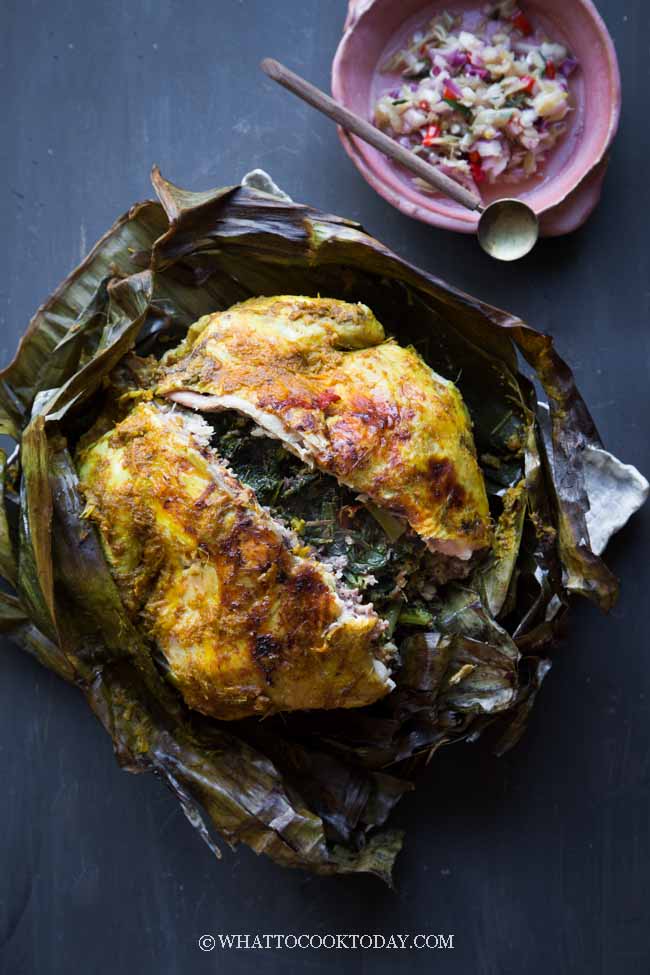
Ayam Betutu
Balinese Spiced Chicken
Ceremonies, temple festivals, special occasions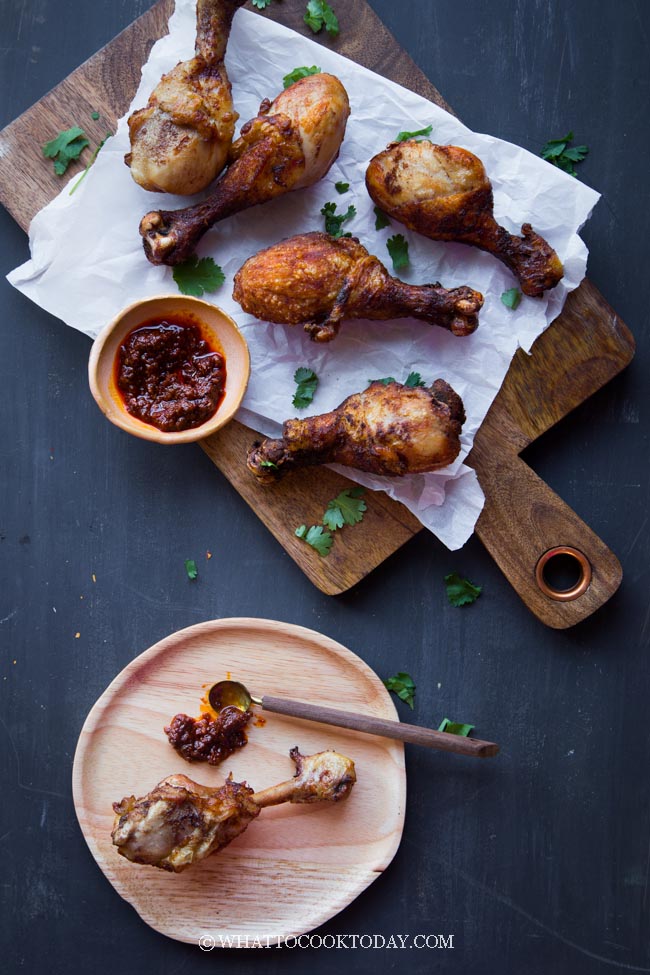 Medium
📜 Story
Medium
📜 Story
Ayam Goreng Kalasan
Kalasan Fried Chicken
Lunch or dinner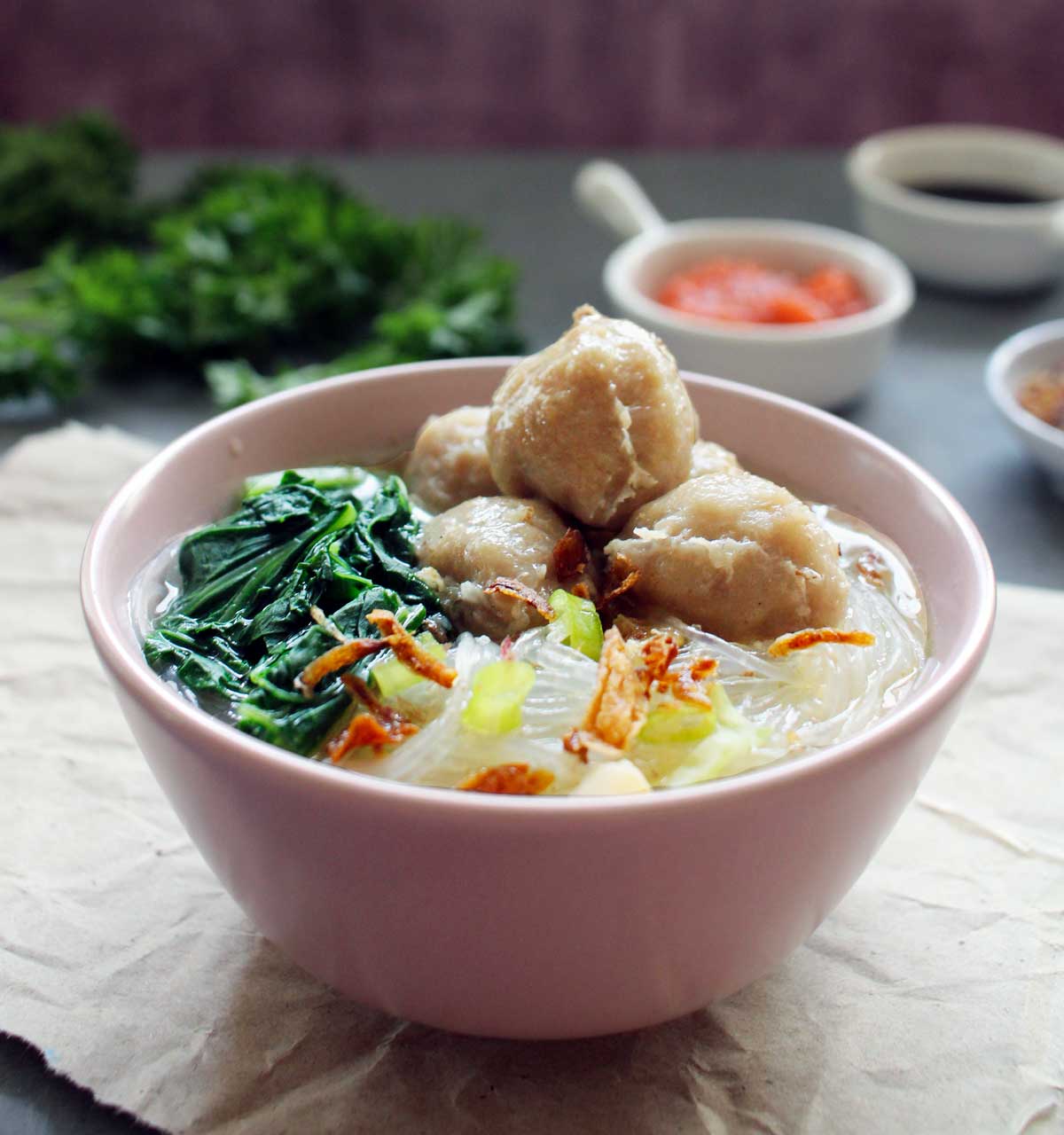 Medium
📜 Story
Medium
📜 Story
Bakso
Indonesian Beef Meatball Soup
Anytime snack or meal, especially from street carts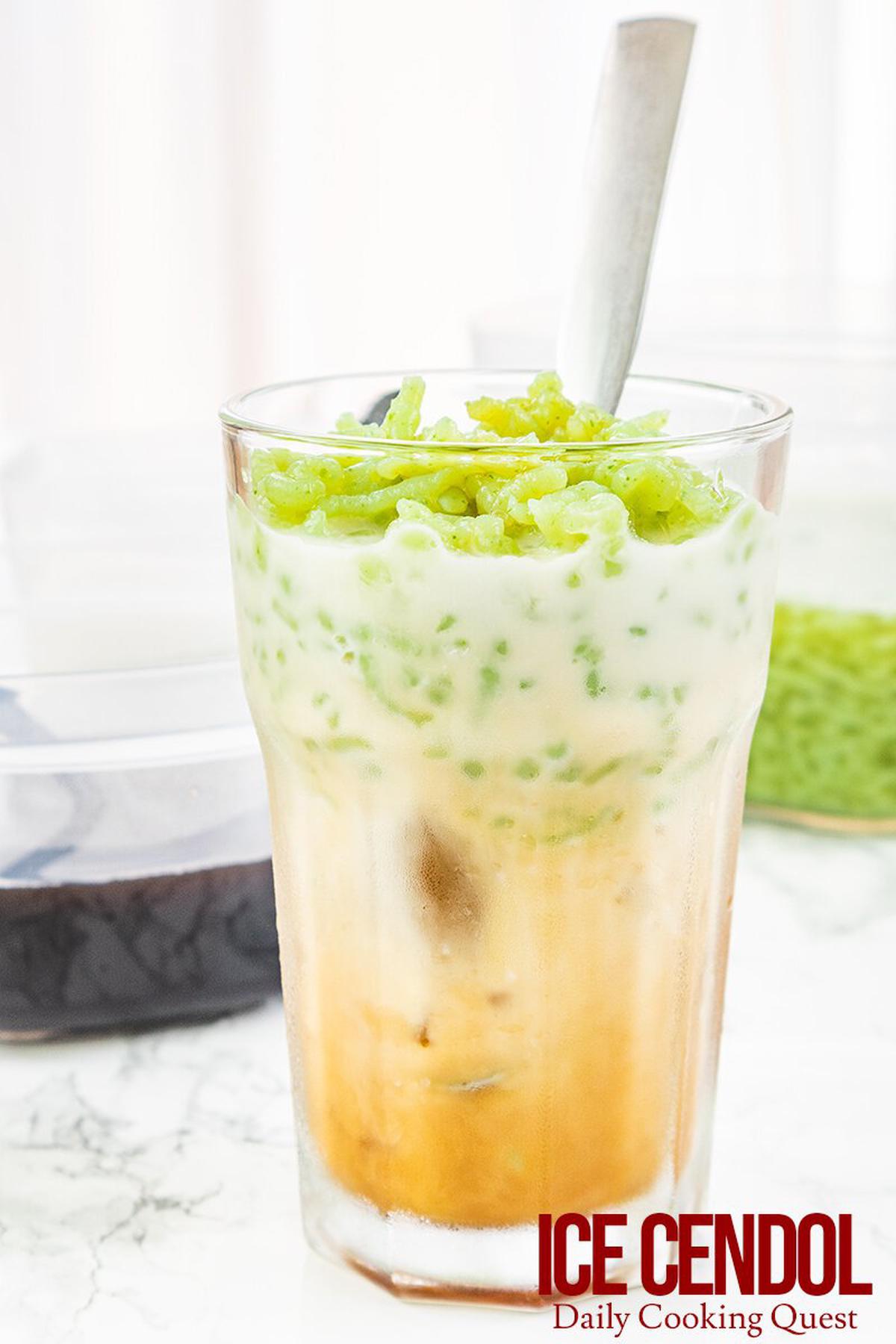 Medium
📜 Story
Medium
📜 Story
Es Cendol
Iced Pandan Jelly Drink
Afternoon refreshment, hot weather
Comments (0)
Log in to leave a comment.
No comments yet. Be the first to share your thoughts!