
A hearty salad of blanched vegetables, tofu, tempeh, and hard-boiled eggs drenched in a rich, spicy peanut sauce. Indonesia's beloved vegetarian feast.
Nutrition & Info
Allergen Warnings
Equipment Needed
Presentation Guide
Vessel: large plate
Garnishes: peanut sauce, fried shallots, prawn crackers
Accompaniments: lontong (rice cake)
Instructions
-
1
Prepare the vegetables by blanching the cabbage, bean sprouts, and long beans separately in a large pot of boiling salted water for two to three minutes each until just tender but still crisp, then plunge immediately into ice water to stop cooking.
-
2
Fry the tofu cubes in hot oil until golden and crisp on all sides, about four minutes, then fry the tempeh slices until deep brown and crunchy, about three minutes per side. Drain both on paper towels.
-
3
Make the peanut sauce by grinding the roasted peanuts in a food processor until coarsely ground, then adding the garlic, chillies, tamarind paste, palm sugar, and salt, processing until you have a textured paste.
-
4
Transfer the peanut paste to a saucepan, add the kecap manis and warm water, and cook over low heat for five minutes, stirring constantly, until the sauce is smooth, thick, and heated through. Adjust consistency with more water if needed.
-
5
Drain the blanched vegetables thoroughly and arrange them on a large serving platter in sections: cabbage, bean sprouts, and long beans grouped separately alongside the sliced boiled potatoes and cucumber slices.
-
6
Place the fried tofu cubes and crispy tempeh slices on the platter alongside the vegetables, then arrange the hard-boiled egg quarters around the edges as a garnish, creating an attractive, colourful display.
-
7
Pour the warm peanut sauce generously over the entire platter, or serve it in a separate bowl for diners to add as much as they prefer, ensuring every component gets coated in the rich, spicy, sweet sauce.
-
8
Serve the gado gado immediately with prawn crackers for scooping and optional lontong rice cakes on the side, presenting this beloved Indonesian vegetarian feast as a complete, satisfying, and nutritionally balanced meal.
Did You Know?
Gado-gado literally means 'mix-mix' and every region of Indonesia has its own unique version.
Chef's Notes
Equipment Tips
- steamer or pot
- mortar and pestle or blender
Garnishing
peanut sauce, fried shallots, prawn crackers
Accompaniments
lontong (rice cake)
The Story Behind Gado-Gado
### The Story
Gado-gado, meaning "mix-mix" in Indonesian, is a vibrant salad of blanched and raw vegetables, fried tofu, tempeh, hard-boiled eggs, and lontong (compressed rice cake), all drenched in a rich, spiced peanut sauce. The dish originated in the Betawi (native Jakartan) culinary tradition, emerging from the street food culture of colonial-era Batavia (now Jakarta) in the 19th century. Peanuts, introduced from the Americas via Portuguese and Spanish traders in the 16th century, became a cornerstone of Javanese and Betawi cooking, and gado-gado represents perhaps their finest expression. Street vendors carrying their ingredients in baskets on shoulder poles became iconic figures of Jakartan street life.
### On the Calendar
Gado-gado is eaten year-round as a lunch or light meal. It has no specific ceremonial association but is a daily fixture at warungs and food stalls across Java and beyond.
### Then & Now
The peanut sauce is the soul of gado-gado -- it must balance sweetness (from kecap manis), heat (from chilies), acidity (from tamarind or lime), and richness (from ground roasted peanuts). Traditional preparation involves grinding the sauce fresh with a mortar and pestle. The vegetable selection varies by season and region but typically includes blanched bean sprouts, long beans, spinach, cabbage, cucumber, and boiled potatoes. Each vendor has their own sauce recipe, fiercely guarded and passed down through generations.
### Legacy
Gado-gado is Indonesia's most famous salad, a dish that transforms humble vegetables into something extraordinary through the alchemy of its peanut sauce.
More Indonesian Dishes
 Hard
📜 Story
Hard
📜 Story
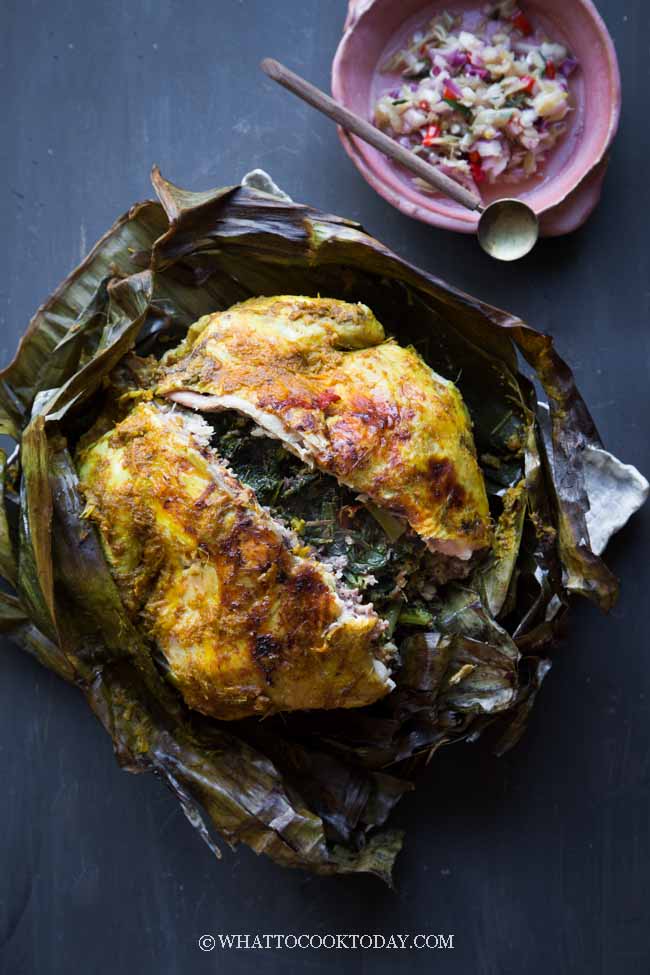
Ayam Betutu
Balinese Spiced Chicken
Ceremonies, temple festivals, special occasions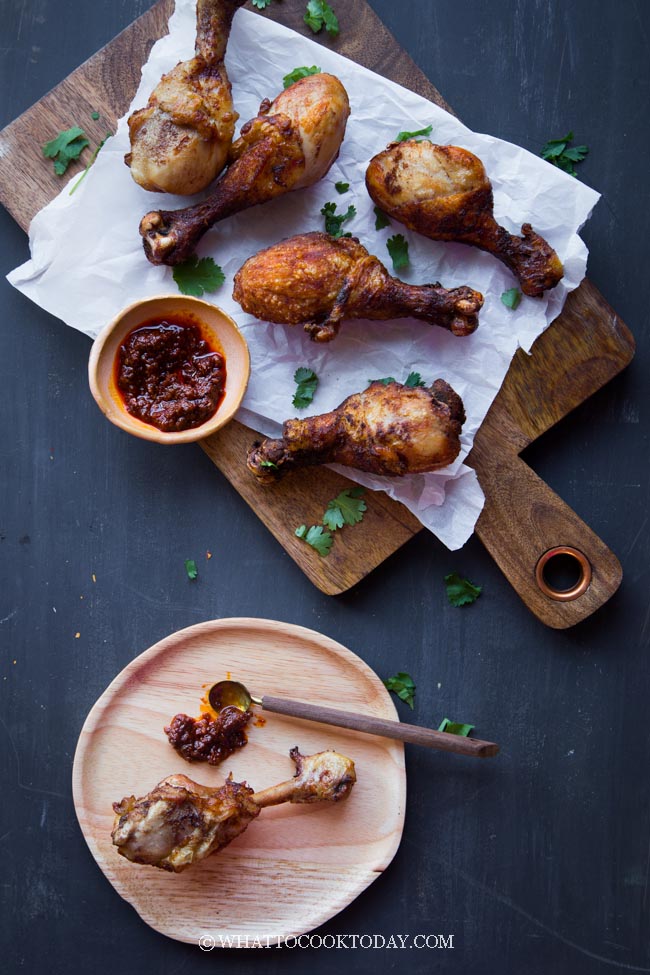 Medium
📜 Story
Medium
📜 Story
Ayam Goreng Kalasan
Kalasan Fried Chicken
Lunch or dinner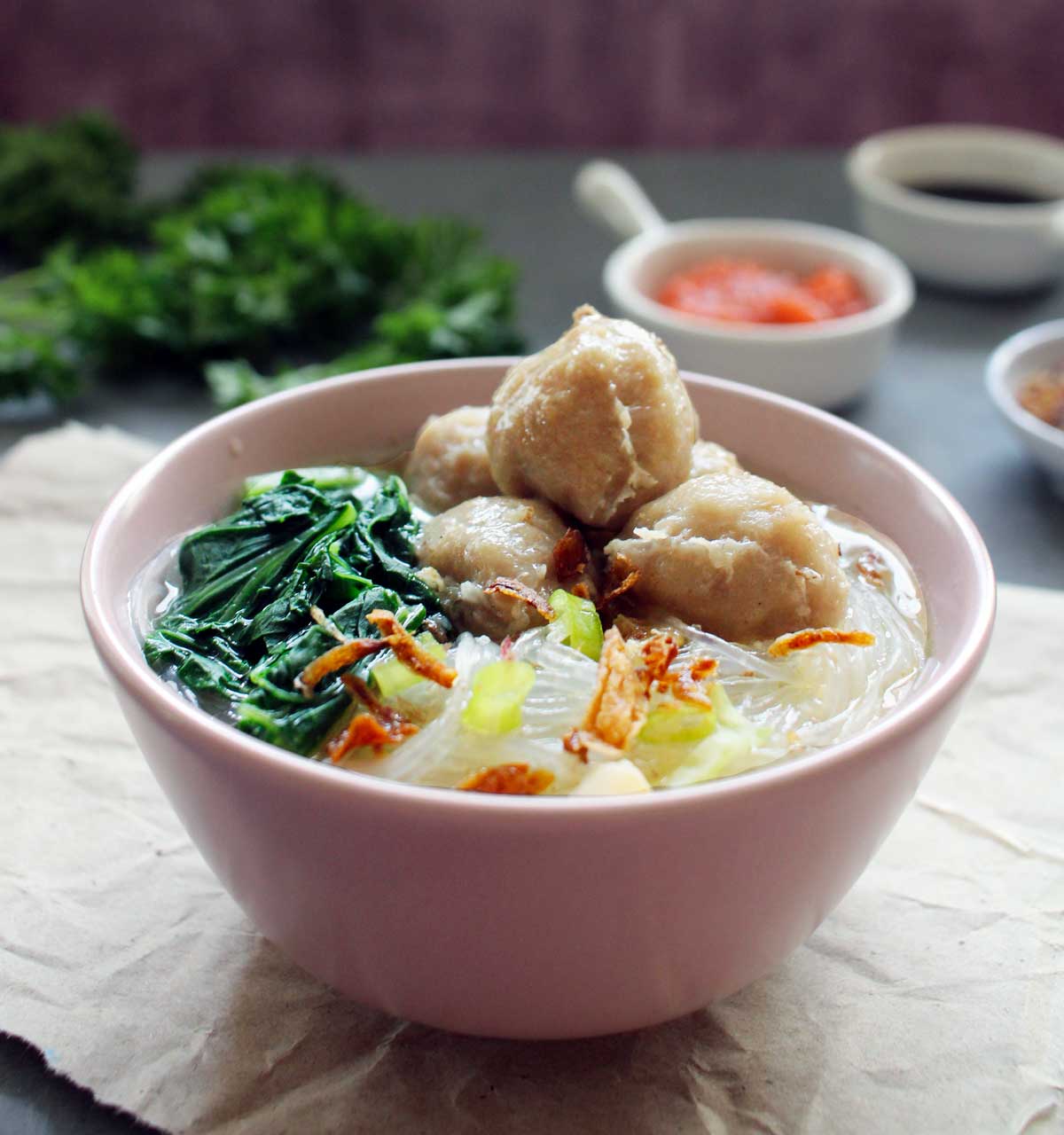 Medium
📜 Story
Medium
📜 Story
Bakso
Indonesian Beef Meatball Soup
Anytime snack or meal, especially from street carts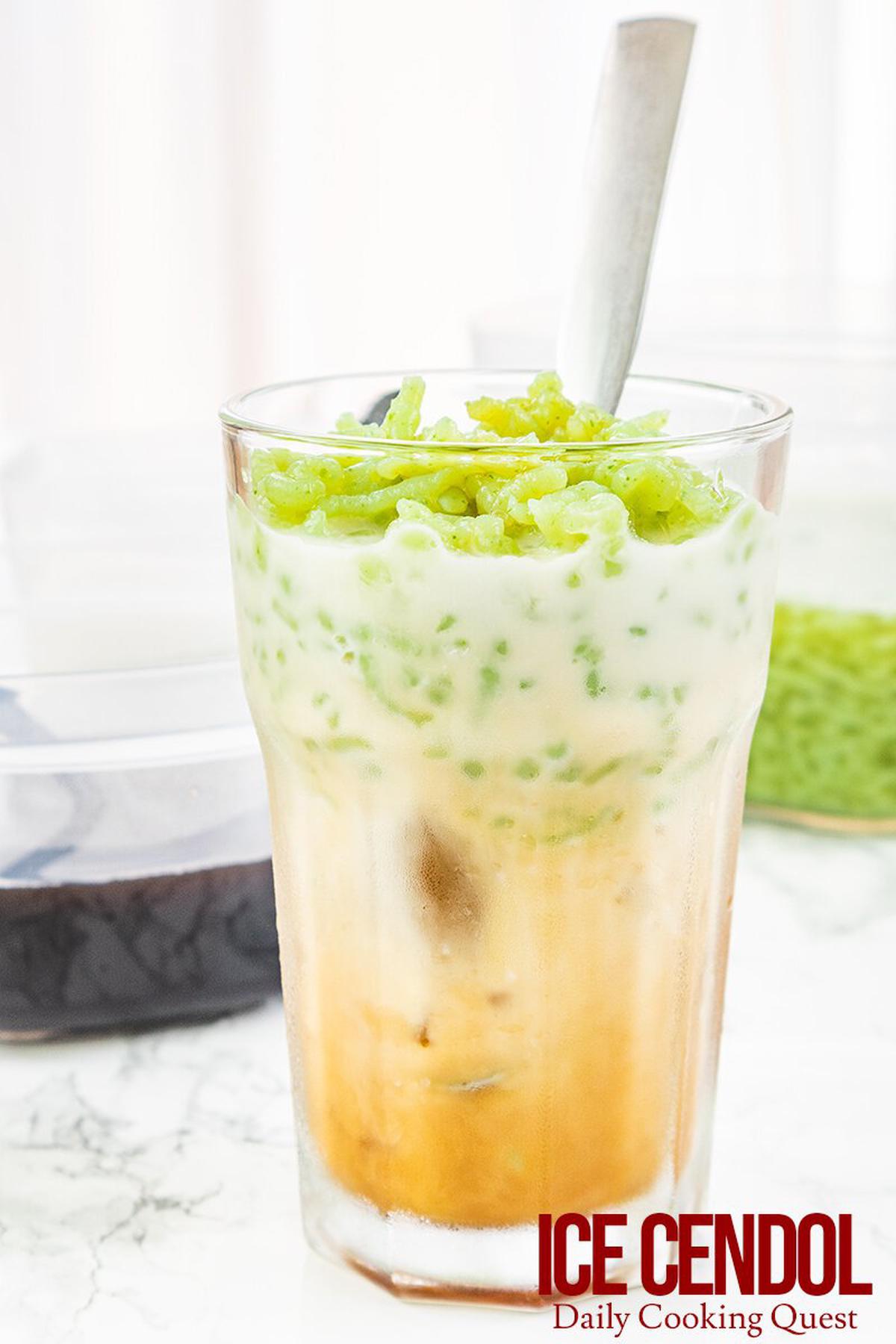 Medium
📜 Story
Medium
📜 Story
Es Cendol
Iced Pandan Jelly Drink
Afternoon refreshment, hot weather
Comments (0)
Log in to leave a comment.
No comments yet. Be the first to share your thoughts!