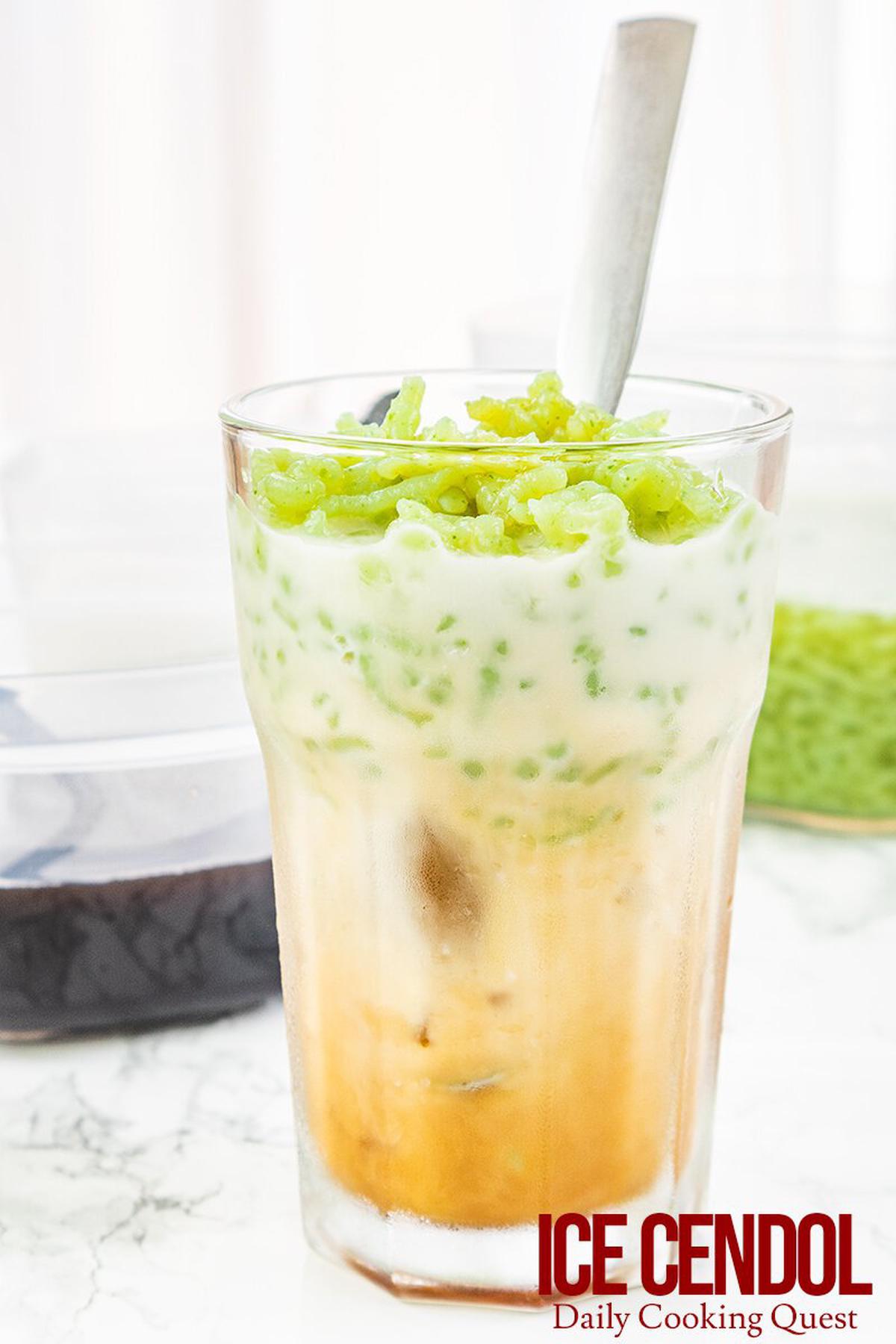
A refreshing iced dessert drink of bright green pandan-flavored rice flour jelly worms swimming in creamy coconut milk with dark palm sugar syrup — tropical refreshment in a glass.
Nutrition & Info
Allergen Warnings
Equipment Needed
Presentation Guide
Vessel: tall glass
Garnishes: palm sugar syrup drizzle
Accompaniments: extra coconut milk
Instructions
-
1
Blend pandan leaves with water, strain to get 400ml bright green pandan juice.
-
2
Cook rice flour and tapioca starch with pandan juice over medium heat, stirring constantly, until the mixture thickens into a smooth, glossy paste.
-
3
Press the hot paste through a cendol press (or colander with large holes) directly into a bowl of ice water. The droplets will form into short, worm-like jellies.
-
4
Make palm sugar syrup: dissolve grated palm sugar in water over low heat. Strain and cool.
-
5
Mix coconut milk with a pinch of salt.
-
6
To serve: fill glasses with crushed ice, add a generous spoonful of cendol jelly, pour coconut milk over the top, and drizzle with palm sugar syrup.
Did You Know?
UNESCO has listed cendol as an Intangible Cultural Heritage item, and both Indonesia and Malaysia claim it as their own, sparking a friendly but passionate culinary rivalry.
Chef's Notes
Equipment Tips
- saucepan
- cendol press or colander
- ice shaver
Garnishing
palm sugar syrup drizzle
Accompaniments
extra coconut milk
The Story Behind Es Cendol
Cendol has ancient roots in Javanese cuisine, with references to similar rice flour jellies dating back centuries. The pandan leaf gives it the signature green color and floral aroma, while palm sugar from Indonesian coconut palms provides the rich caramel sweetness. It is one of Southeast Asia's most beloved dessert drinks, found everywhere from pushcart vendors to upscale restaurants.
More Indonesian Dishes
 Hard
📜 Story
Hard
📜 Story
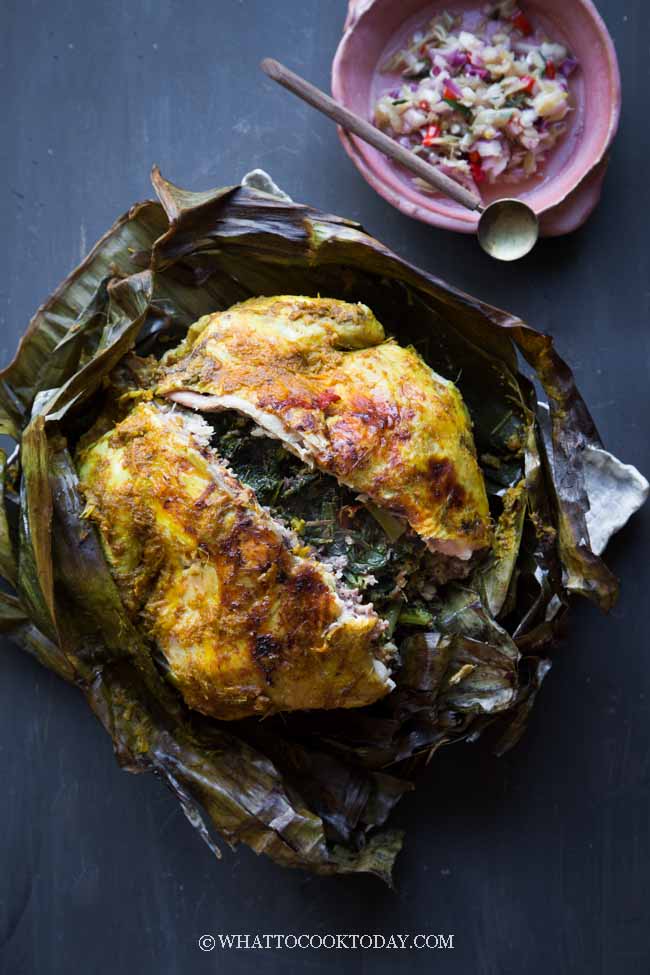
Ayam Betutu
Balinese Spiced Chicken
Ceremonies, temple festivals, special occasions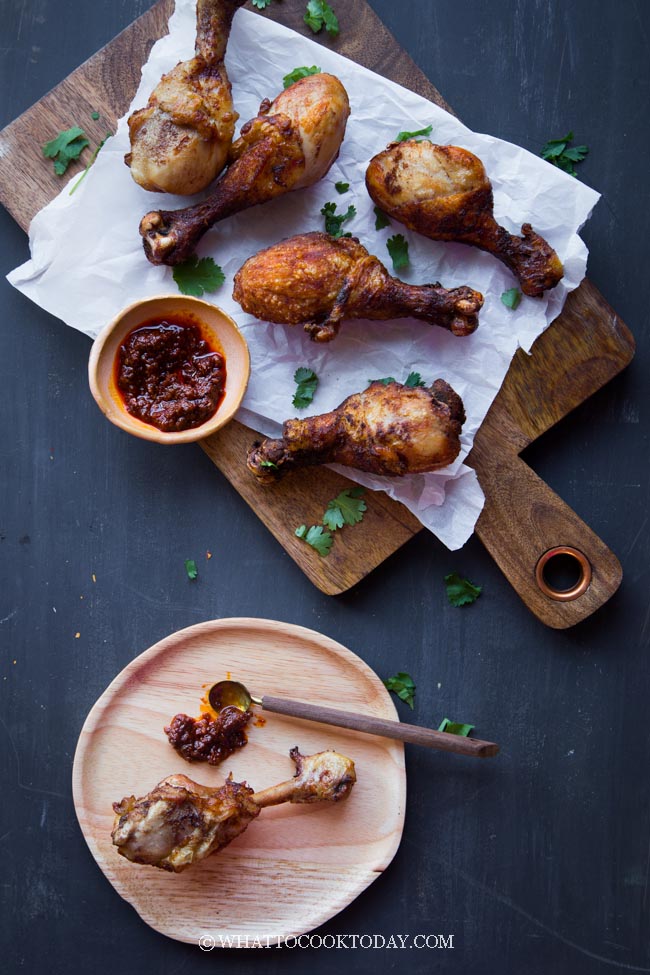 Medium
📜 Story
Medium
📜 Story
Ayam Goreng Kalasan
Kalasan Fried Chicken
Lunch or dinner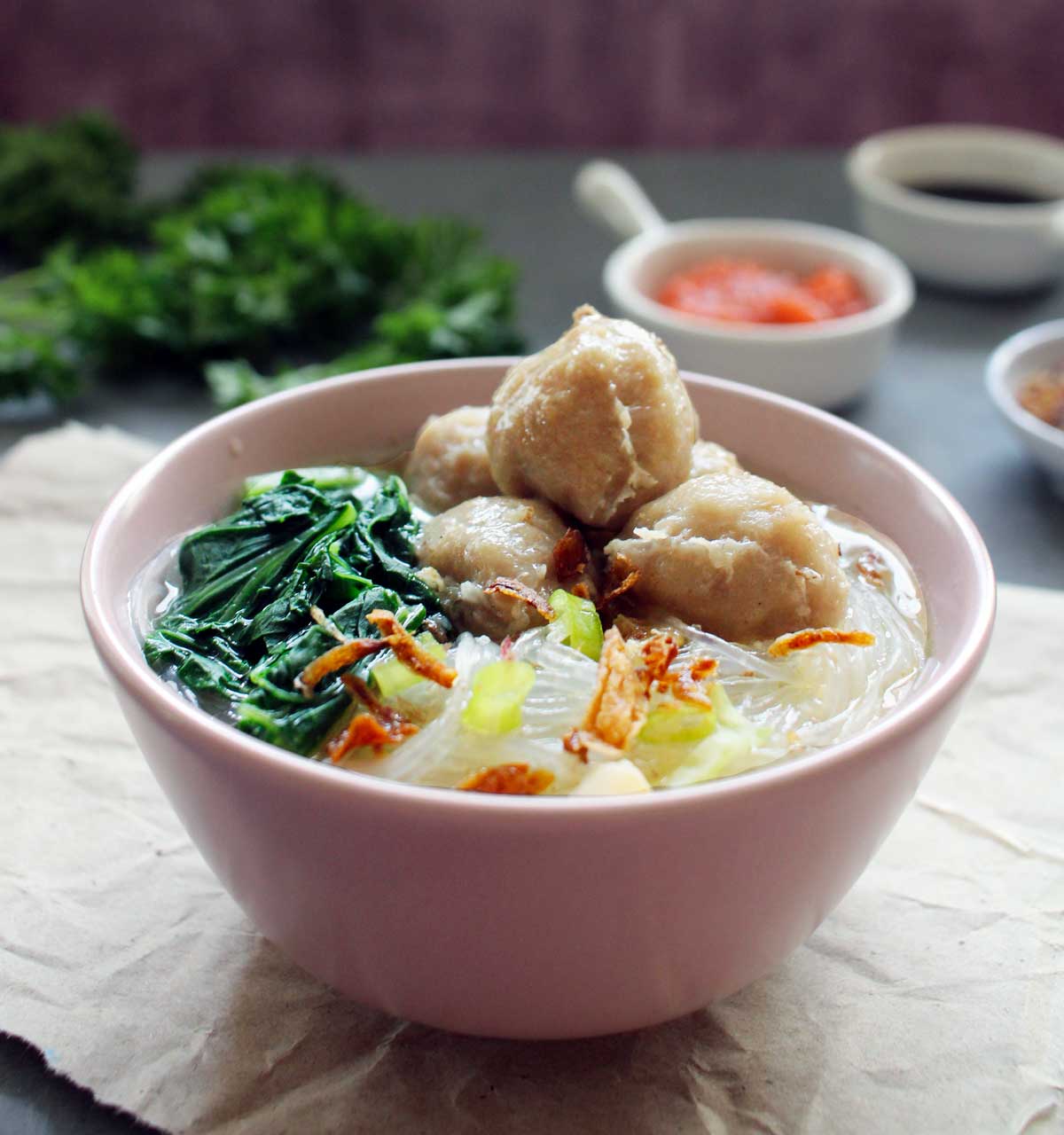 Medium
📜 Story
Medium
📜 Story
Bakso
Indonesian Beef Meatball Soup
Anytime snack or meal, especially from street carts Easy
📜 Story
Easy
📜 Story
Gado-Gado
Gado Gado
Lunch or light meal, year-round
Comments (0)
Log in to leave a comment.
No comments yet. Be the first to share your thoughts!