Dense, dark, naturally sweet rye bread traditionally baked underground using geothermal heat. Moist, rich, and deeply flavored.
Nutrition & Info
Allergen Warnings
Equipment Needed
Presentation Guide
Instructions
-
1
Mix rye flour, all-purpose flour, baking powder, baking soda, and salt in a large bowl.
-
2
Warm the milk and molasses together until combined, then add to the dry ingredients and stir until a thick batter forms.
-
3
Pour batter into a greased and lidded loaf tin, filling two-thirds full.
-
4
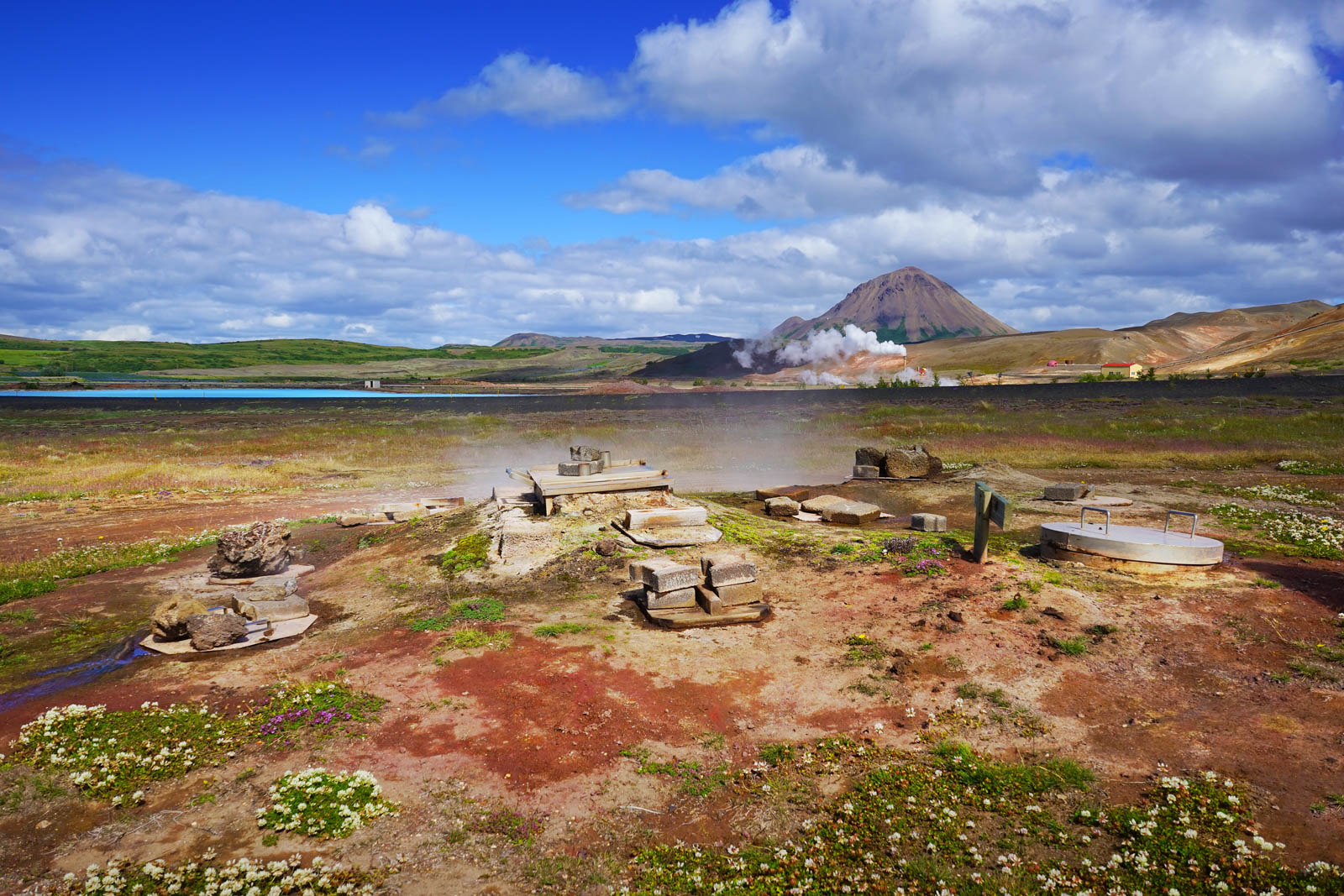
Traditionally: bury the sealed tin in hot spring ground for 24 hours. Modern: bake in oven at 100°C for 12 hours or use a slow cooker on low for 12 hours.
-
5
Remove from tin, cool slightly, and slice thickly. Serve with butter.
Did You Know?
In Laugarvatn, Iceland, a bakery still buries rúgbrauð pots in the volcanic ground near hot springs and digs them up the next day perfectly baked.
Chef's Notes
Equipment Tips
- loaf tin
- large pot or slow cooker
- oven or hot spring access
Garnishing
butter pats
Accompaniments
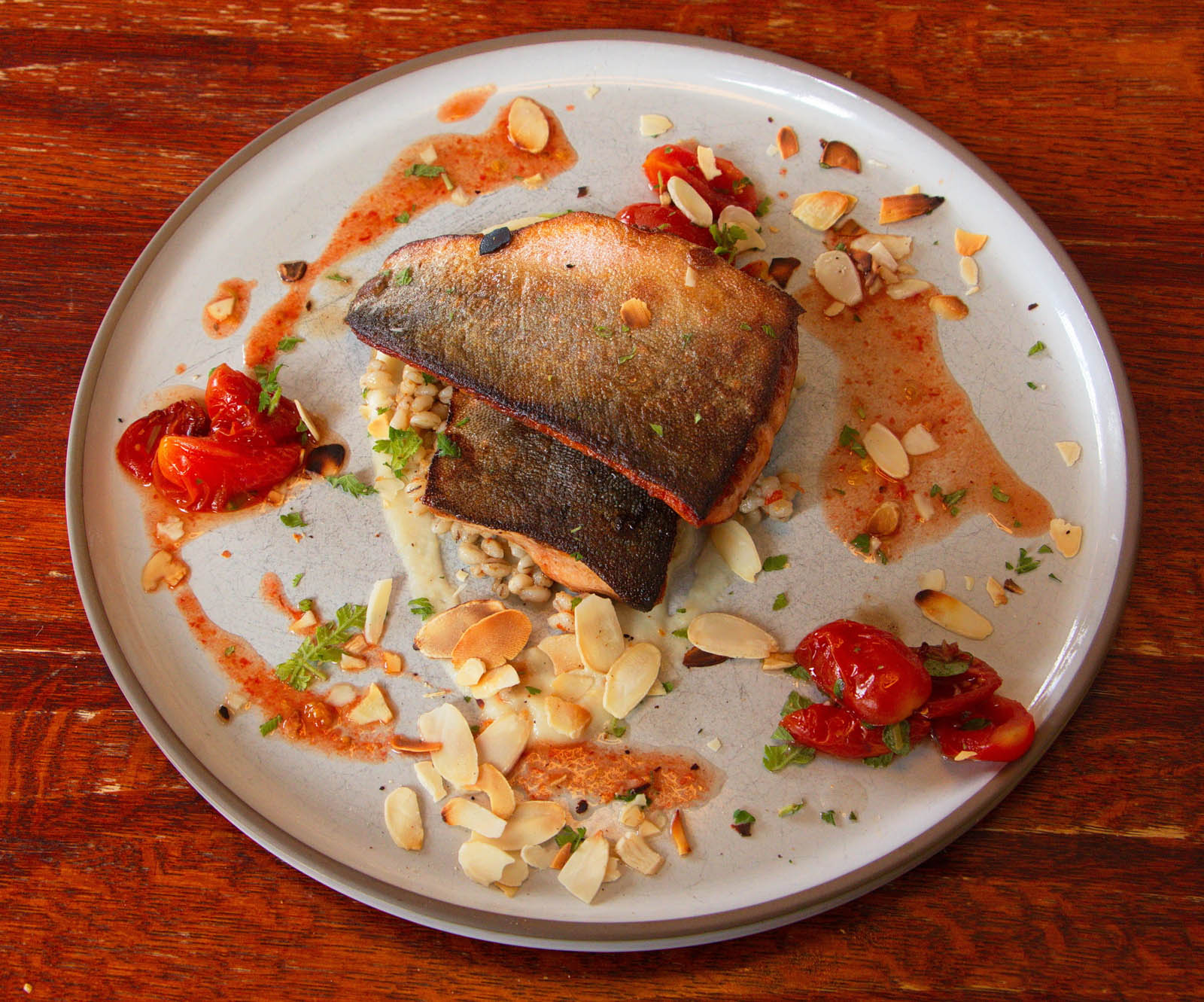
butter, smoked lamb, smoked trout
The Story Behind Rúgbrauð
Rúgbrauð is one of the most distinctive breads in the world thanks to its unique geothermal baking method. Icelanders discovered that burying dough in naturally heated ground near hot springs would slowly steam-bake it over 24 hours, creating an incredibly dense, sweet, moist loaf. This tradition dates back centuries and continues in geothermal areas today.


Comments (0)
Log in to leave a comment.
No comments yet. Be the first to share your thoughts!