
Fresh sap tapped from coconut flower spathes and allowed to ferment naturally into a mildly alcoholic, slightly sour beverage central to I-Kiribati social life.
Nutrition & Info
Equipment Needed
Presentation Guide
Instructions
-
1
A skilled toddy cutter climbs a coconut palm at dawn to access the unopened flower spathe near the crown.
-
2
The spathe tip is sliced thinly and a coconut shell container is tied beneath to catch the dripping sap throughout the day.
-
3
Collect the shell in the evening, which will contain about half a liter of sweet fresh sap called te karewe.
-
4
To make te tuae, allow the collected sap to sit in a covered container at ambient temperature for twelve to twenty-four hours.
-
5
The natural wild yeasts present in the sap will ferment the sugars, creating a mildly fizzy, slightly sour beverage.
-
6
Strain through a clean cloth and serve in coconut shell cups at room temperature during evening gatherings.
Did You Know?
Toddy cutting is one of the most respected skills in I-Kiribati culture, and expert cutters can maintain a single palm producing sap continuously for months.
Chef's Notes
Equipment Tips
- coconut shell collecting vessel
- climbing rope
- glass bottles
Garnishing
none
Accompaniments
The Story Behind Te Tuae
Te Tuae is far more than a beverage in Kiribati; it is a cornerstone of social life and cultural identity. The art of toddy cutting is passed from father to son over generations, and a skilled cutter is highly respected in the community. The fresh sweet sap, te karewe, is drunk as a nutritious morning drink, while the fermented version, te tuae, fuels evening storytelling and community bonding in the maneaba. This ancient practice connects modern I-Kiribati people directly to their Micronesian ancestors.
More I-Kiribati Dishes
 Easy
📜 Story
Easy
📜 Story
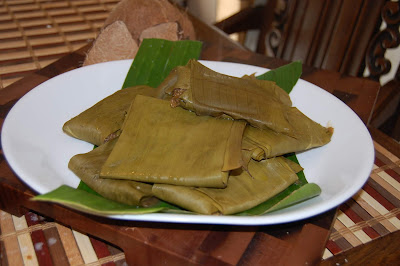
Banana Coconut Pudding
Mashed Banana with Coconut Cream
Dessert or afternoon snack Easy
📜 Story
Easy
📜 Story
Boiled Breadfruit
Plain Boiled Breadfruit
Daily staple at all meals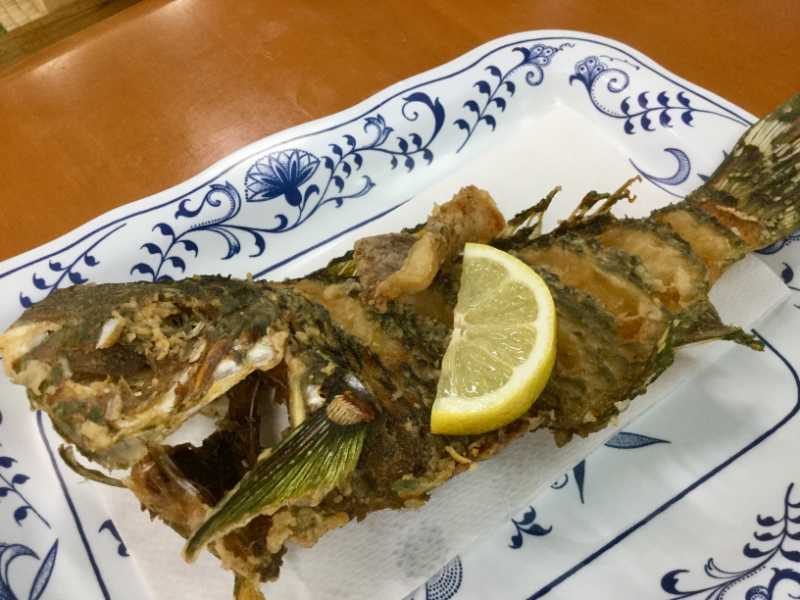 Hard
📜 Story
Hard
📜 Story
Bwiro
Fermented Breadfruit Paste
Year-round preserved staple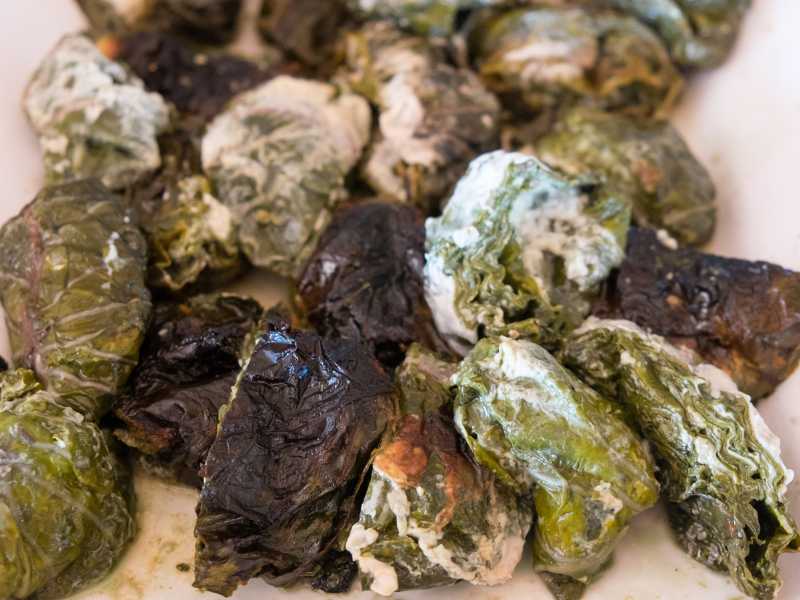 Medium
📜 Story
Medium
📜 Story
Coconut Cream Sauce
Fresh Pressed Coconut Cream
Prepared fresh daily for all meals
Comments (0)
Log in to leave a comment.
No comments yet. Be the first to share your thoughts!