
Giant coconut crab steamed or boiled and cracked open to reveal rich, buttery meat. A prized delicacy reserved for honored guests and important celebrations.
Nutrition & Info
Allergen Warnings
Equipment Needed
Presentation Guide
Instructions
-
1
Bring a very large pot of well-salted water to a vigorous rolling boil.
-
2
Place the coconut crab into the boiling water head first. Cover and boil for fifteen minutes per kilogram of weight.
-
3
Remove crab from water with tongs and let cool enough to handle safely for about ten minutes.
-
4
Crack the large claws and legs with a mallet or heavy knife handle to expose the dense white meat inside.
-
5
Scoop out the rich abdominal fat, which is considered the greatest delicacy and has an intensely coconut-like flavor.
-
6
Serve with lime halves and coconut cream for dipping alongside boiled breadfruit.
Did You Know?
Coconut crabs are the largest land arthropods on Earth, with leg spans reaching up to one meter and claws strong enough to crack open coconuts.
Chef's Notes
Equipment Tips
- large pot
- crab crackers or mallet
- tongs
Garnishing
lime halves
Accompaniments
The Story Behind Te Kabara
The coconut crab holds a special place in I-Kiribati culture as both a food source and a symbol of the islands themselves. These enormous crustaceans have been harvested sustainably by Pacific Islanders for millennia. In Kiribati, coconut crab is reserved for important occasions and distinguished visitors, reflecting its cultural value beyond mere nutrition. The rich abdominal meat, flavored by the crab diet of coconut, is considered one of the finest natural delicacies in the Pacific.
More I-Kiribati Dishes
 Easy
📜 Story
Easy
📜 Story
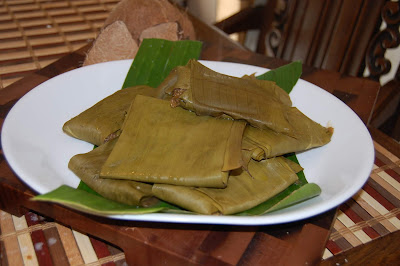
Banana Coconut Pudding
Mashed Banana with Coconut Cream
Dessert or afternoon snack Easy
📜 Story
Easy
📜 Story
Boiled Breadfruit
Plain Boiled Breadfruit
Daily staple at all meals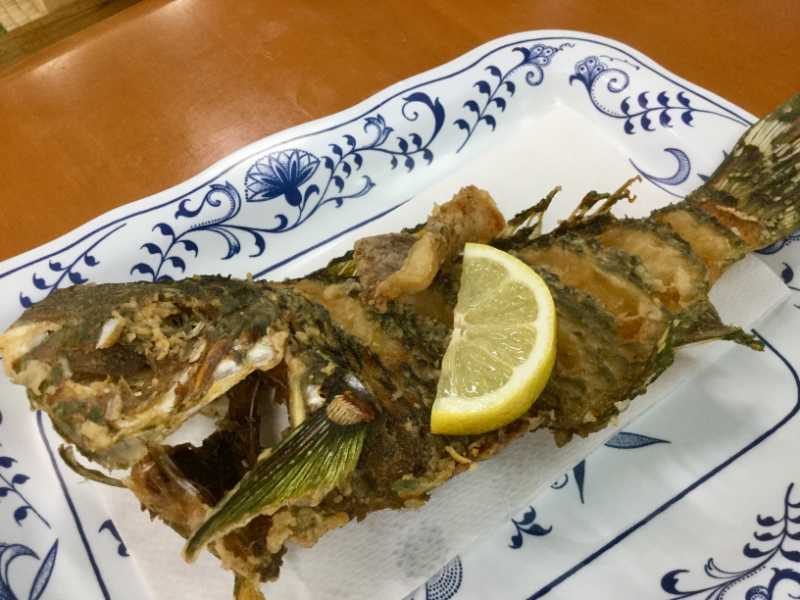 Hard
📜 Story
Hard
📜 Story
Bwiro
Fermented Breadfruit Paste
Year-round preserved staple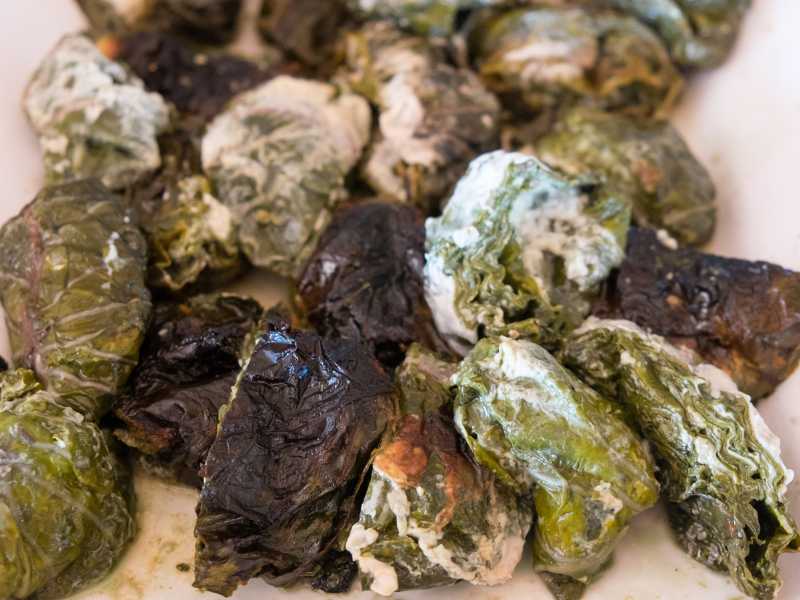 Medium
📜 Story
Medium
📜 Story
Coconut Cream Sauce
Fresh Pressed Coconut Cream
Prepared fresh daily for all meals
Comments (0)
Log in to leave a comment.
No comments yet. Be the first to share your thoughts!