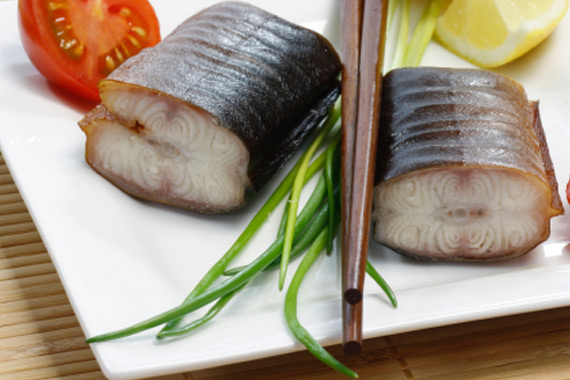
Smoked Tuna
Te ika ni bueki (teh EE-kah nee boo-EH-kee)
Coconut-Husk Smoked Tuna
Fresh tuna fillets slowly smoked over smoldering coconut husks for hours until deeply flavored and preserved. A traditional method for storing surplus ocean catch.
Nutrition & Info
Allergen Warnings
Equipment Needed
Presentation Guide
Instructions
-
1
Cut fresh tuna into thick fillets about three centimeters thick. Rub generously with coarse sea salt on all surfaces.
-
2
Let the salted fillets rest for one hour, allowing the salt to draw out moisture and begin the curing process.
-
3
Build a low fire using dried coconut husks, then smother to create thick, steady smoke rather than flames.
-
4
Place tuna fillets on a raised rack about fifty centimeters above the smoldering husks.
-
5
Smoke for four to five hours, maintaining a consistent gentle smoke. Turn fillets once at the halfway point.
-
6
The tuna is done when the exterior is deep mahogany brown and the flesh is firm but still slightly moist inside.
Did You Know?
Smoked tuna can last for several weeks without refrigeration in the tropical heat, making it essential for long inter-island canoe voyages.
Chef's Notes
Equipment Tips
- smoking rack
- coconut husks
- sharp knife
Garnishing
none
Accompaniments
The Story Behind Smoked Tuna
Smoking fish over coconut husks is one of the foundational food technologies of Kiribati culture. In the era before refrigeration, a good tuna catch needed to be preserved quickly before the tropical heat caused spoilage. The slow smoking process using coconut husks imparts a distinctive sweet, smoky flavor while removing enough moisture to prevent bacterial growth. This technique enabled I-Kiribati navigators to carry protein-rich provisions on their remarkable ocean voyages between distant atolls.
More I-Kiribati Dishes
 Easy
📜 Story
Easy
📜 Story
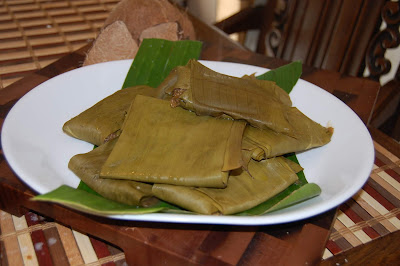
Banana Coconut Pudding
Mashed Banana with Coconut Cream
Dessert or afternoon snack Easy
📜 Story
Easy
📜 Story
Boiled Breadfruit
Plain Boiled Breadfruit
Daily staple at all meals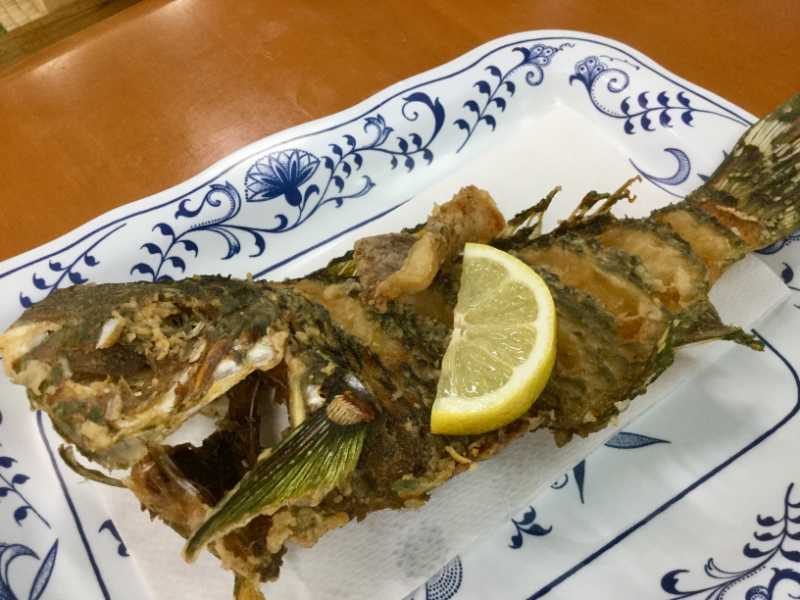 Hard
📜 Story
Hard
📜 Story
Bwiro
Fermented Breadfruit Paste
Year-round preserved staple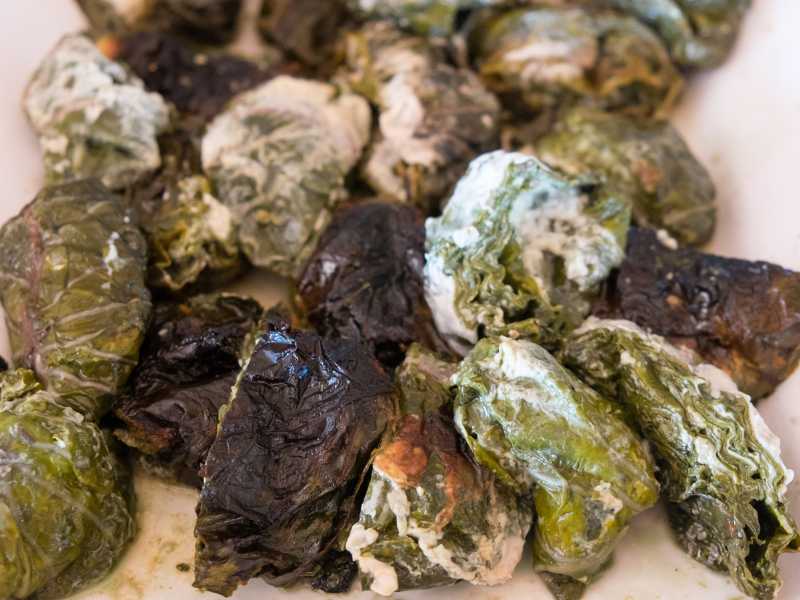 Medium
📜 Story
Medium
📜 Story
Coconut Cream Sauce
Fresh Pressed Coconut Cream
Prepared fresh daily for all meals
Comments (0)
Log in to leave a comment.
No comments yet. Be the first to share your thoughts!