Pandanus Fruit Paste
Te tuae ni bero (teh too-AH-eh nee BEH-roh)
Dried Pandanus Fruit Preserve
Ripe pandanus fruit segments boiled, mashed, and sun-dried into dense sheets that can be stored for months. An essential preserved food for ocean voyages and lean times.
Nutrition & Info
Equipment Needed
Presentation Guide
Instructions
-
1
Separate the ripe pandanus fruit head into individual keys or segments by twisting and pulling apart.
-
2
Boil the segments in water for thirty minutes until they soften and the fibrous flesh can be easily scraped.
-
3
Scrape the soft pulp from each segment using a shell scraper or spoon, discarding the tough fibrous core.
-
4
Mash the collected pulp into a smooth paste using a pestle or heavy spoon, working out any remaining fibers.
-
5
Spread the paste thinly on pandanus leaf mats and dry in full sun for one to two days, flipping once.
-
6
Cut the dried sheets into portions and store rolled in pandanus leaves. Will keep for several months in dry conditions.
Did You Know?
Pandanus paste was the original Pacific survival food, carried on ocean voyages as emergency rations and trading currency between atolls.
Chef's Notes
Equipment Tips
- large pot
- pestle or mashing tool
- drying rack or mat
Garnishing
none
Accompaniments
fresh coconut, te karewe
The Story Behind Pandanus Fruit Paste
Pandanus fruit preservation is one of the most important traditional food technologies in Kiribati. On atolls where seasonal abundance is followed by scarcity, the ability to preserve the pandanus harvest as dried sheets meant the difference between survival and starvation. Ancient Micronesian navigators carried pandanus paste on their epic ocean voyages as lightweight, nutrient-dense sustenance. The technique remains practiced on outer islands today, connecting modern I-Kiribati people to their seafaring ancestors.
More I-Kiribati Dishes
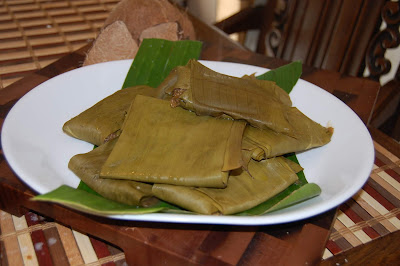 Easy
📜 Story
Easy
📜 Story
Banana Coconut Pudding
Mashed Banana with Coconut Cream
Dessert or afternoon snack Easy
📜 Story
Easy
📜 Story
Boiled Breadfruit
Plain Boiled Breadfruit
Daily staple at all meals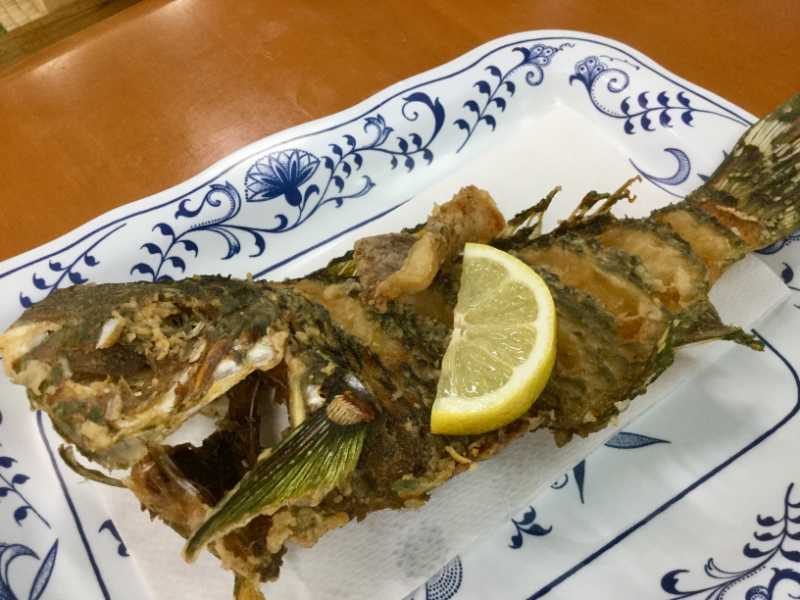 Hard
📜 Story
Hard
📜 Story
Bwiro
Fermented Breadfruit Paste
Year-round preserved staple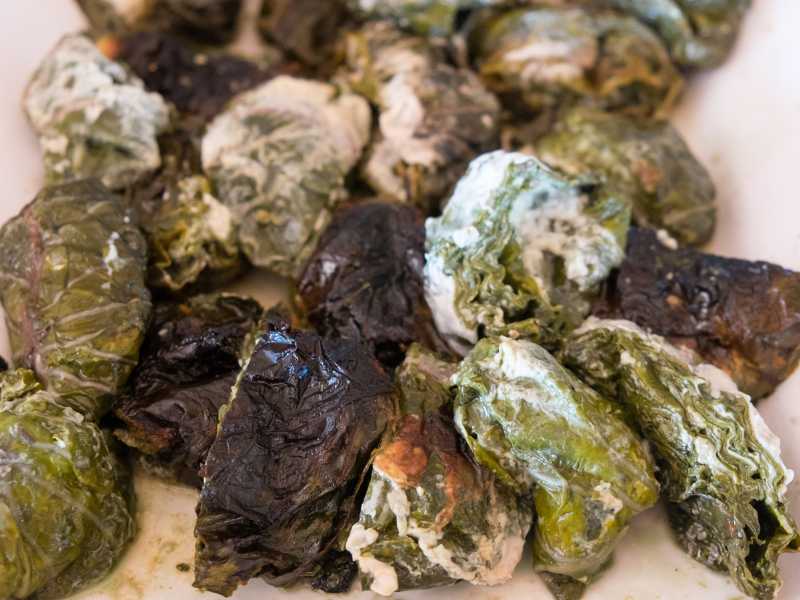 Medium
📜 Story
Medium
📜 Story
Coconut Cream Sauce
Fresh Pressed Coconut Cream
Prepared fresh daily for all meals
Comments (0)
Log in to leave a comment.
No comments yet. Be the first to share your thoughts!