
Octopus in Coconut
Te kuita ma te ben (teh KOO-ee-tah mah teh BEN)
Braised Octopus in Coconut Cream
Fresh reef octopus tenderized and simmered slowly in rich coconut cream until meltingly soft. A prized I-Kiribati dish requiring patience and skill.
Nutrition & Info
Allergen Warnings
Equipment Needed
Presentation Guide
Vessel: deep serving bowl
Garnishes: lime wedge, fresh chili slices
Accompaniments: coconut rice, boiled breadfruit
Instructions
-
1
Clean the octopus by removing the beak, eyes, and ink sac. Rinse thoroughly under running water.
-
2
Tenderize the octopus by beating the tentacles firmly against a rock or with a mallet about forty times.
-
3
Cut the tenderized octopus into bite-sized pieces and place in a heavy pot without any liquid.
-
4
Cook over low heat for ten minutes. The octopus will release its own liquid and begin to tenderize further.
-
5
Add onion, garlic, chili, and coconut cream. Simmer very gently for forty minutes until octopus is fork-tender.
-
6
Finish with lime juice and salt. Serve in the coconut cream sauce over rice or with breadfruit.
Did You Know?
I-Kiribati fishermen catch octopus by hand on the reef at low tide, luring them from their holes with cowrie shells dangled on a string.
Chef's Notes
Equipment Tips
- heavy pot
- mallet or rock for tenderizing
- knife
Garnishing
lime wedge, fresh chili slices
Accompaniments
The Story Behind Octopus in Coconut
Octopus is one of the most valued reef catches in Kiribati, and the techniques for catching and preparing it are deeply embedded in I-Kiribati culture. Reef walking at low tide to catch octopus by hand is a skill taught to children from a young age. The slow braising in coconut cream transforms the naturally tough cephalopod into something remarkably tender and rich. This dish is often prepared for family gatherings where the effort involved in both catching and cooking the octopus is part of showing care for loved ones.
More I-Kiribati Dishes
 Easy
📜 Story
Easy
📜 Story
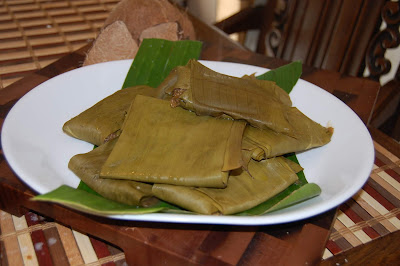
Banana Coconut Pudding
Mashed Banana with Coconut Cream
Dessert or afternoon snack Easy
📜 Story
Easy
📜 Story
Boiled Breadfruit
Plain Boiled Breadfruit
Daily staple at all meals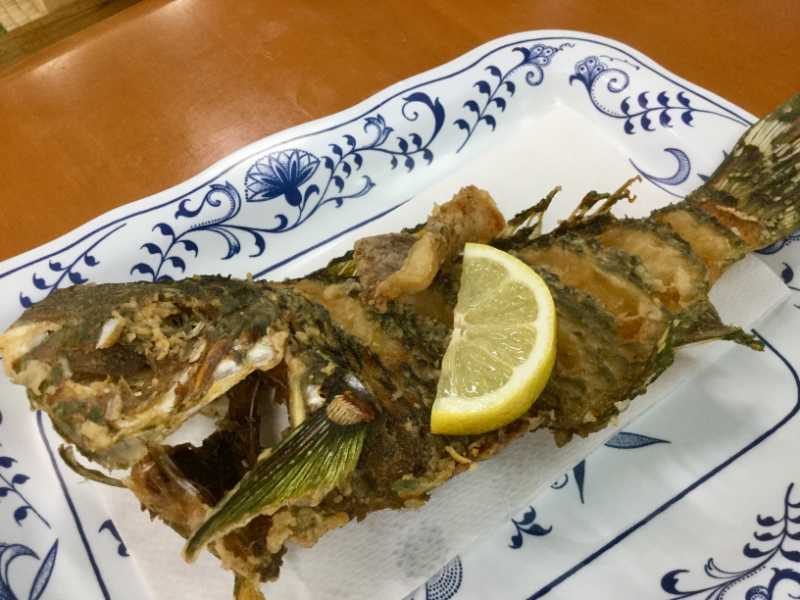 Hard
📜 Story
Hard
📜 Story
Bwiro
Fermented Breadfruit Paste
Year-round preserved staple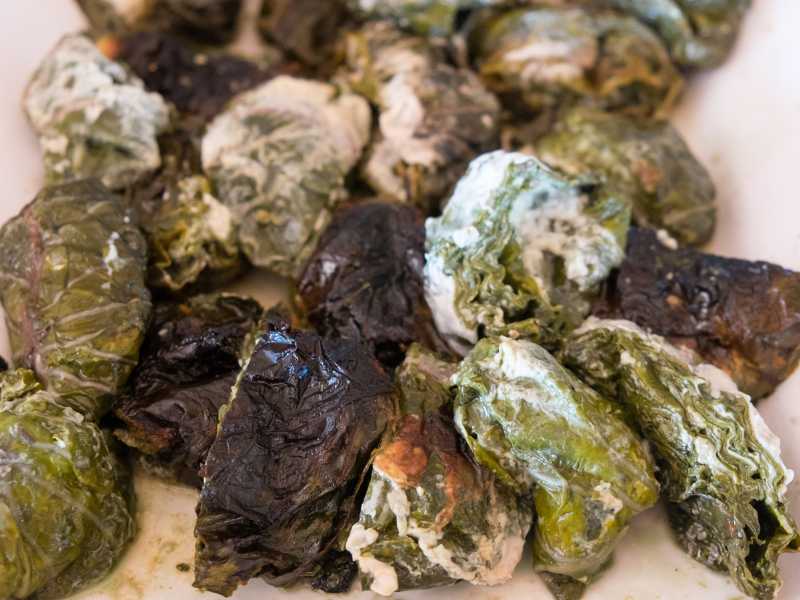 Medium
📜 Story
Medium
📜 Story
Coconut Cream Sauce
Fresh Pressed Coconut Cream
Prepared fresh daily for all meals
Comments (0)
Log in to leave a comment.
No comments yet. Be the first to share your thoughts!