Breadfruit fermented underground in leaf-lined pits for weeks, then mixed with coconut cream to create a tangy, pungent paste. An ancient preservation method unique to Kiribati.
Nutrition & Info
Equipment Needed
Presentation Guide
Vessel: pandanus leaf bowl
Garnishes: fresh coconut cream drizzle
Accompaniments: fresh fish, boiled taro
Instructions
-
1
Peel ripe breadfruit and remove the core. Mash the flesh coarsely by hand.
-
2
Dig a pit about sixty centimeters deep and line it completely with overlapping pandanus leaves.
-
3
Pack the mashed breadfruit tightly into the lined pit, pressing out any air pockets.
-
4
Cover the top with more pandanus leaves and weigh down with coral stones to compress the mass.
-
5
Leave to ferment for three to four weeks. The breadfruit will develop a strong sour aroma and tangy flavor.
-
6
To serve, scoop out portions of the fermented paste and mix with fresh coconut cream and salt until smooth.
Did You Know?
Bwiro pits on some Kiribati islands have been in continuous use for generations, with families adding new breadfruit on top of old fermented layers.
Chef's Notes
Equipment Tips
- digging tools
- pandanus leaves for lining
- coconut grater
Garnishing
fresh coconut cream drizzle
Accompaniments
fresh fish, boiled taro
The Story Behind Bwiro
Bwiro is perhaps the most culturally significant food preservation technique in all of Kiribati. In an environment where typhoons, droughts, and king tides can destroy crops overnight, the ability to store breadfruit underground for months or even years provided critical food security. Archaeological evidence suggests this fermentation technique has been practiced for over a thousand years. While the strong flavor is an acquired taste, bwiro mixed with coconut cream remains a source of cultural pride and connection to ancestral survival wisdom.
More I-Kiribati Dishes
 Easy
📜 Story
Easy
📜 Story
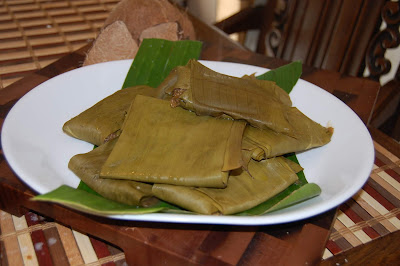
Banana Coconut Pudding
Mashed Banana with Coconut Cream
Dessert or afternoon snack Easy
📜 Story
Easy
📜 Story
Boiled Breadfruit
Plain Boiled Breadfruit
Daily staple at all meals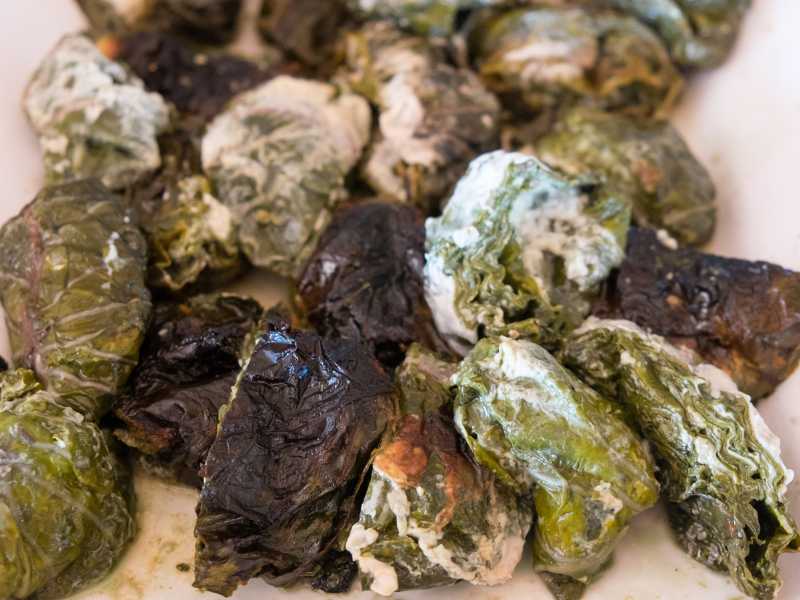 Medium
📜 Story
Medium
📜 Story
Coconut Cream Sauce
Fresh Pressed Coconut Cream
Prepared fresh daily for all meals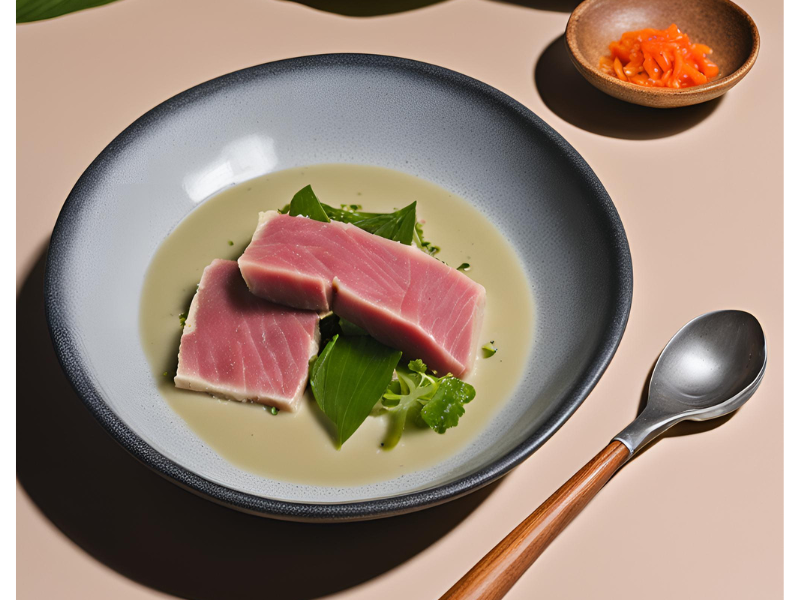 Medium
📜 Story
Medium
📜 Story
Coconut Fish Curry
Fish Simmered in Spiced Coconut
Dinner
Comments (0)
Log in to leave a comment.
No comments yet. Be the first to share your thoughts!