
Bread slices soaked in egg batter, fried until golden, and bathed in a warm cinnamon-panela syrup. A cherished Holy Week dessert.
Nutrition & Info
Allergen Warnings
Equipment Needed
Presentation Guide
Instructions
-
1
Make the syrup by dissolving grated panela in water with cinnamon sticks and cloves. Simmer until thickened to a light syrup consistency, about fifteen minutes.
-
2
Beat eggs with a pinch of salt in a shallow dish.
-
3
Dip each bread slice into the beaten egg, coating both sides thoroughly.
-
4
Fry egg-coated bread in oil over medium heat until golden brown on both sides, about two minutes per side.
-
5
Place fried torrejas in a serving dish and pour the warm cinnamon-panela syrup generously over them. Let soak at least ten minutes before serving.
Did You Know?
Torrejas are so strongly associated with Semana Santa that eating them at any other time of year feels almost transgressive to many Hondurans.
Chef's Notes
Equipment Tips
- skillet
- saucepan
- shallow dish
- slotted spatula
Garnishing
cinnamon stick, syrup drizzle
Accompaniments
The Story Behind Torrejas
Torrejas are Honduras's version of the Spanish torrija, a Lenten dessert dating back centuries. Spanish missionaries and colonizers brought the tradition of repurposing stale bread during Holy Week, when many foods were restricted. The Honduran adaptation uses local panela sugar to create the distinctive dark, aromatic syrup that distinguishes it from European versions. The dish remains almost exclusively a Holy Week treat, with families preparing large batches to share with neighbors during the solemn celebrations.
More Honduran Dishes
 Easy
📜 Story
Easy
📜 Story
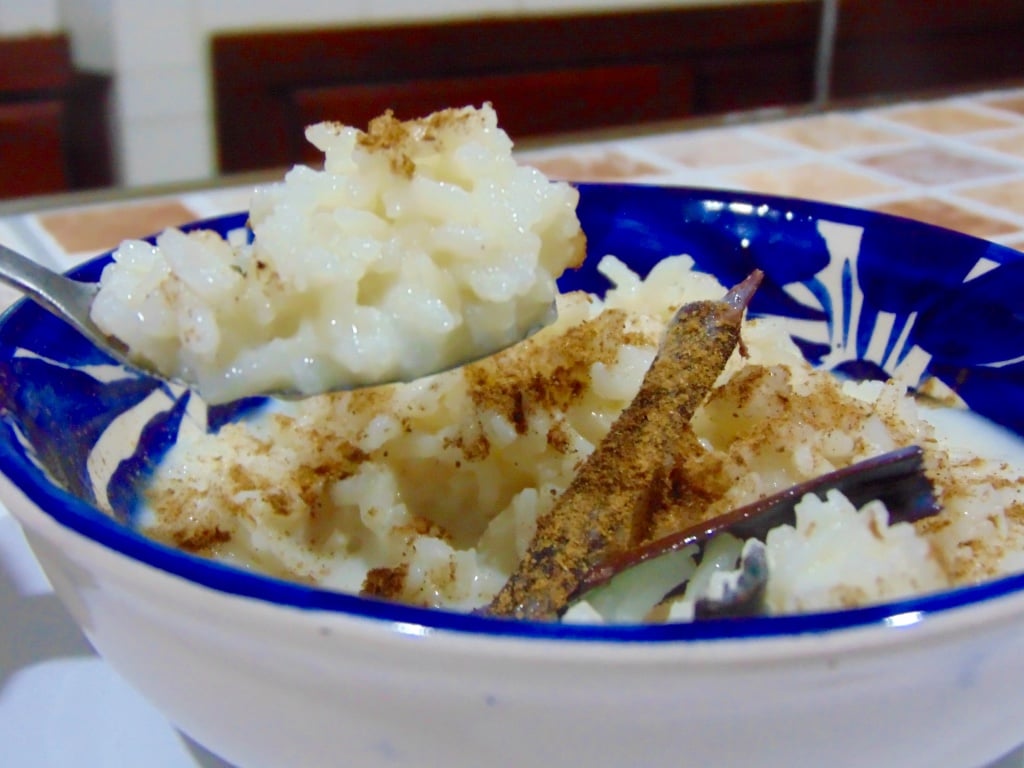
Arroz con Leche Hondureño
Honduran Rice Pudding
Dessert or afternoon merienda Easy
📜 Story
Easy
📜 Story
Atol de Elote
Sweet Corn Beverage
Breakfast or afternoon merienda Easy
📜 Story
Easy
📜 Story
Baleada
Stuffed Flour Tortilla
Any meal, street food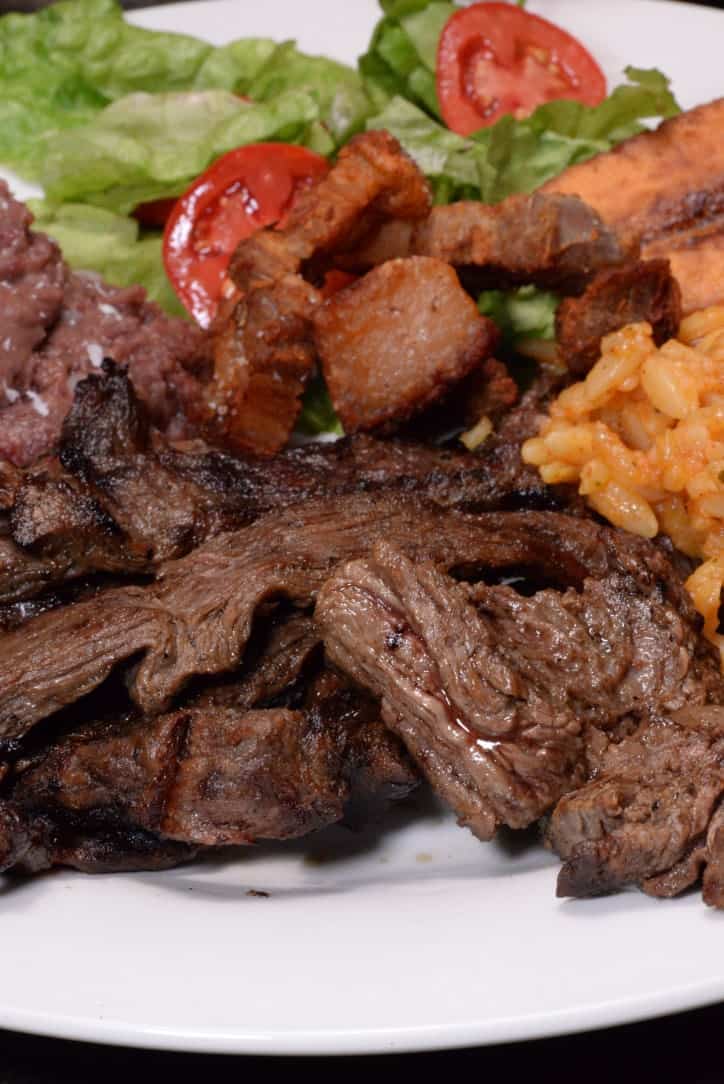 Easy
📜 Story
Easy
📜 Story
Carne Asada Hondureña
Honduran Grilled Beef
Weekend cookouts and celebrations
Comments (0)
Log in to leave a comment.
No comments yet. Be the first to share your thoughts!