
A rich coconut-based soup with conch, yuca, plantains, and aromatics. The Caribbean coast's most famous dish, immortalized in song.
Nutrition & Info
Allergen Warnings
Equipment Needed
Presentation Guide
Vessel: deep bowl
Garnishes: fresh cilantro, lime wedge
Accompaniments: coconut rice, fried plantains
Instructions
-
1
If using conch, pound the meat firmly with a meat mallet on both sides to break down the tough muscle fibres, then cut it into bite-sized pieces about two centimetres across. If substituting shrimp, simply peel and devein them.
-
2
Heat the oil in a large heavy pot over medium heat, add the diced onion, garlic, and green bell pepper, and saute for four to five minutes until the vegetables are softened and fragrant, stirring occasionally.
-
3
Add the achiote powder and ground cumin to the sauteed vegetables, stirring for one minute to bloom the spices in the oil, then pour in the fish stock and bring the broth to a steady boil over high heat.
-
4
Add the conch pieces to the boiling broth and simmer for twenty minutes to allow the meat to become tender. If using shrimp instead, reserve them and add only in the final five minutes of cooking.
-
5
Add the yuca chunks and green plantain rounds to the pot, return to a simmer, and cook for twenty minutes until both the yuca and plantains are fork-tender and beginning to thicken the broth slightly.
-
6
Pour in the coconut milk and stir gently to combine, then reduce heat to low and simmer for another ten minutes until the broth becomes rich, creamy, and infused with the tropical coconut flavour.
-
7
Squeeze the lime juice into the soup, add the chopped cilantro, and season with salt and black pepper to taste, balancing the richness of the coconut with the brightness of the citrus and herbs.
-
8
Ladle the soup into large deep bowls, ensuring each serving has plenty of conch, plantain, and yuca pieces, then garnish with extra cilantro. Serve steaming hot as the beloved dish of Honduras's Caribbean coast.
Did You Know?
The song 'Sopa de Caracol' became a massive international hit in 1991, putting Honduran conch soup on the world map.
Chef's Notes
Equipment Tips
- large pot
- sharp knife
- ladle
Garnishing
fresh cilantro, lime wedge
Accompaniments
coconut rice, fried plantains
The Story Behind Sopa de Caracol
The Story: Sopa de Caracol (conch soup) is a rich, coconut milk-based seafood soup featuring chunks of conch (caracol), yuca, plantains, potatoes, and vegetables simmered in a fragrant broth of coconut milk, garlic, cilantro, and chili peppers. The dish is most closely associated with the Garifuna communities of the Honduran Caribbean coast, where it represents the intersection of West African, indigenous Carib, and Caribbean cooking traditions. The Garifuna people's mastery of coconut-based seafood cooking produced this iconic soup, which gained international recognition through the 1991 Banda Blanca song Sopa de Caracol.
On the Calendar: Sopa de Caracol is eaten year-round on the Caribbean coast, particularly at beach gatherings, weekend family meals, and celebrations. The song's global popularity transformed it into a symbol of Honduran identity nationwide.
Then & Now: While traditional preparation uses fresh conch harvested from Caribbean reefs, conservation concerns have led some cooks to substitute other seafood. The coconut milk base and the fundamental Garifuna cooking technique remain unchanged.
Legacy: Sopa de Caracol is the Garifuna people's gift to Honduran national cuisine, a soup that carries the flavors of the Caribbean coast and the cultural richness of one of Central America's most distinctive communities.
More Honduran Dishes
 Easy
📜 Story
Easy
📜 Story
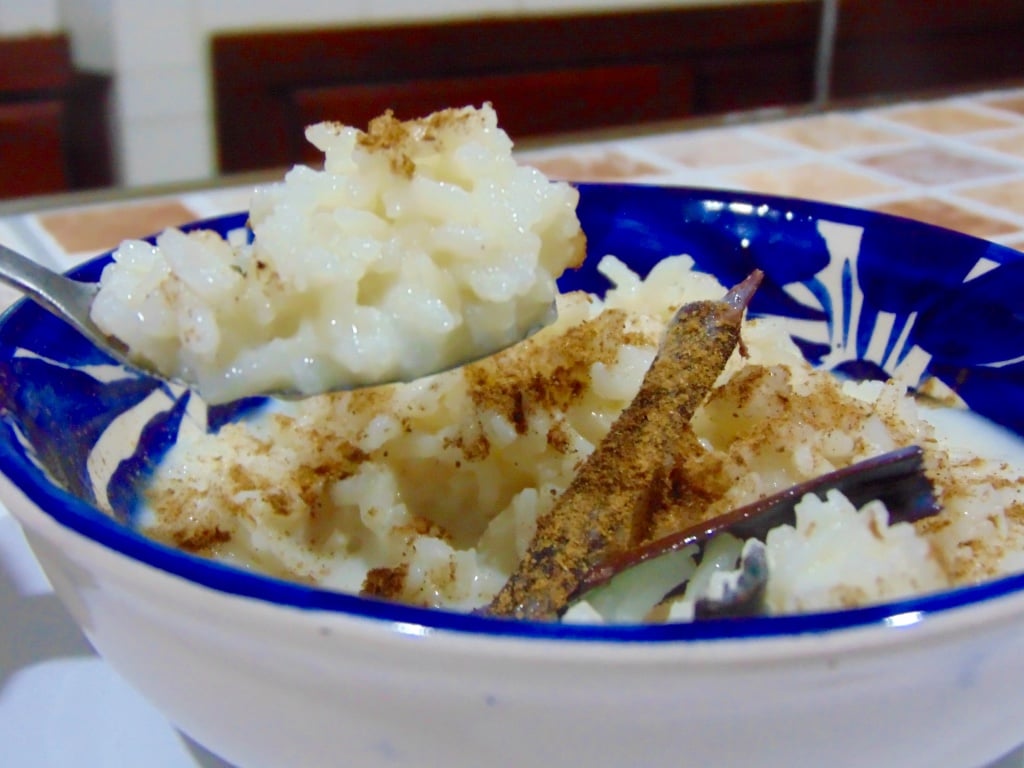
Arroz con Leche Hondureño
Honduran Rice Pudding
Dessert or afternoon merienda Easy
📜 Story
Easy
📜 Story
Atol de Elote
Sweet Corn Beverage
Breakfast or afternoon merienda Easy
📜 Story
Easy
📜 Story
Baleada
Stuffed Flour Tortilla
Any meal, street food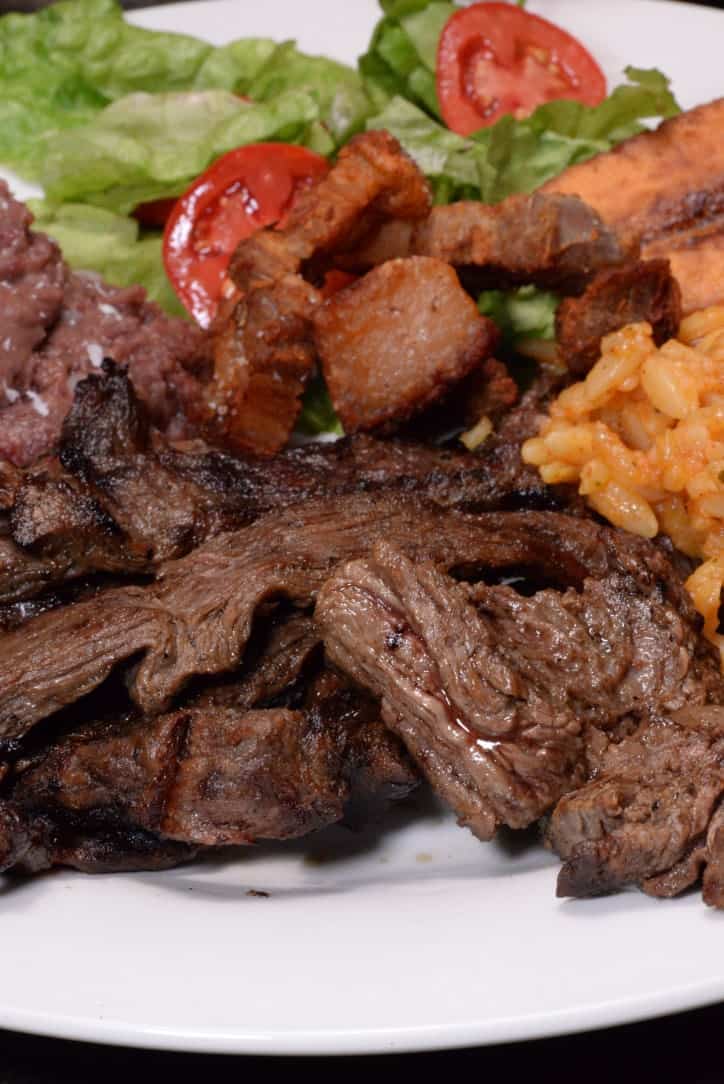 Easy
📜 Story
Easy
📜 Story
Carne Asada Hondureña
Honduran Grilled Beef
Weekend cookouts and celebrations
Comments (0)
Log in to leave a comment.
No comments yet. Be the first to share your thoughts!