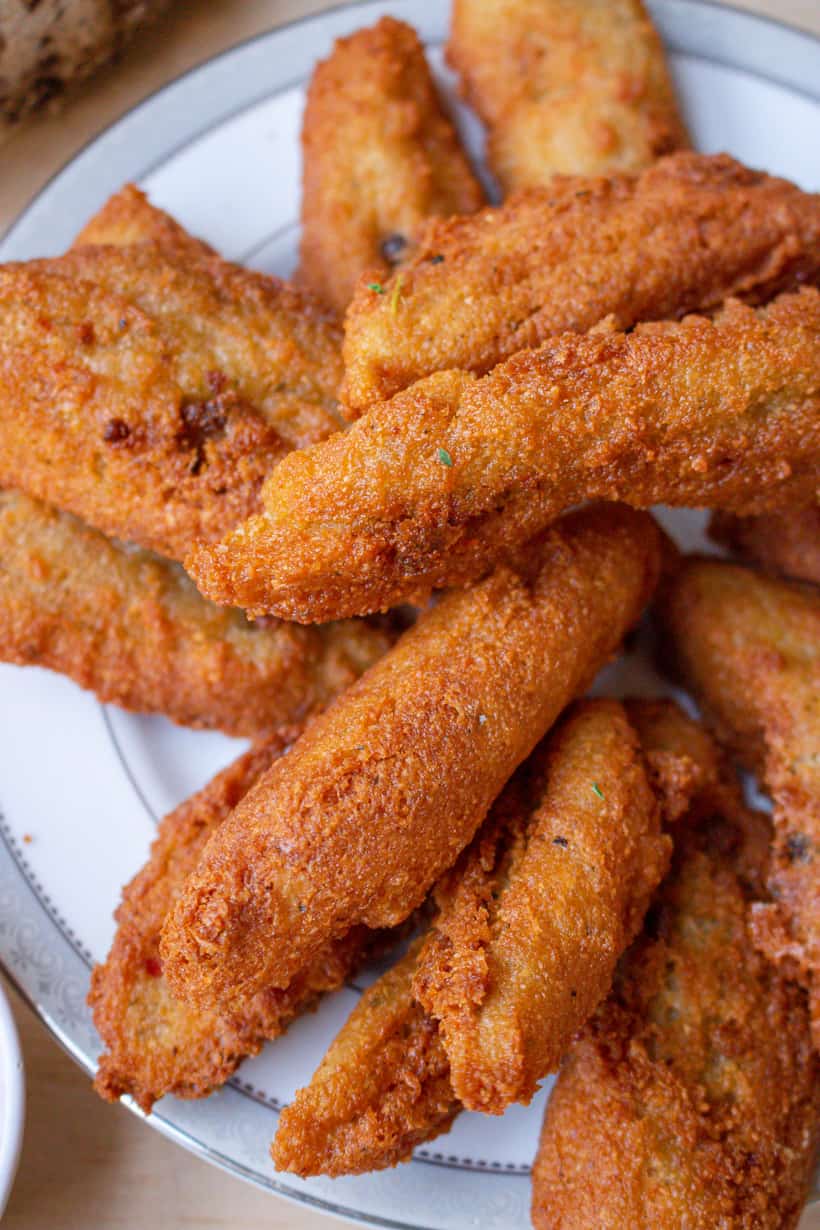
Crispy deep-fried fritters made from grated malanga root seasoned with garlic, parsley, and Scotch bonnet, a beloved Haitian street snack.
Nutrition & Info
Equipment Needed
Presentation Guide
Vessel: paper-lined basket
Garnishes: pikliz on the side
Accompaniments: hot pepper sauce, lime wedges
Instructions
-
1
Grate malanga root finely using a box grater or food processor. Squeeze out excess moisture with a clean cloth.
-
2
Mix grated malanga with garlic, parsley, Scotch bonnet, shallots, baking powder, salt, and pepper until well combined.
-
3
Heat oil to 175C in a deep skillet. The oil should be at least five centimeters deep.
-
4
Drop rounded tablespoons of batter into the hot oil, pressing gently to flatten slightly.
-
5
Fry in batches for three to four minutes, turning once, until golden brown and crispy on all sides.
-
6
Drain on paper towels and serve hot with pikliz on the side.
Did You Know?
Akra vendors are a fixture of Haitian street life, and the sound of fritters sizzling in oil is one of the most recognizable sounds of Port-au-Prince markets.
Chef's Notes
Equipment Tips
- box grater or food processor
- deep skillet
- slotted spoon
Garnishing
pikliz on the side
Accompaniments
hot pepper sauce, lime wedges
The Story Behind Akra
Akra traces its roots directly to West African akara, black-eyed pea fritters brought to the Caribbean by enslaved Africans. In Haiti, the recipe adapted to use malanga root, which grows abundantly on the island. The fritters became one of Haiti's most popular street foods, sold by vendors called machann who fry them fresh throughout the day. Akra represents the enduring West African culinary influence that shapes much of Haitian cooking.

Comments (0)
Log in to leave a comment.
No comments yet. Be the first to share your thoughts!