
A ceremonial spread of seven distinct curries served together on a large platter, including chicken, shrimp, eggplant, pumpkin, and more.
Nutrition & Info
Allergen Warnings
Equipment Needed
Presentation Guide
Vessel: large banana leaf or thali platter
Garnishes: cilantro, pepper
Accompaniments: dhalpuri roti, white rice, dhal
Instructions
-
1
Prepare each curry separately, starting with the longest-cooking items. Season chicken with curry powder and fry until golden before adding potato and water.
-
2
Cook shrimp curry quickly with onion, tomato, and light curry seasoning. Set aside as it cooks fastest.
-
3
Prepare chickpea curry by simmering channa with cumin, turmeric, and garlic until tender and sauce thickens.
-
4
Fry sliced eggplant with onion and curry spices until soft and caramelized. Cook pumpkin curry until it breaks down slightly.
-
5
Make bora curry by stir-frying long beans with curry paste until tender-crisp. Prepare green mango curry with mustard and spices.
-
6
Arrange all seven curries on a large platter or banana leaf with rice in the center. Each curry should be distinct and visually separated.
Did You Know?
The number seven is considered auspicious in Hindu tradition, and having fewer than seven curries at a wedding is considered bad luck.
Chef's Notes
Equipment Tips
- multiple large pots
- serving platters
- spice grinder
Garnishing
cilantro, pepper
Accompaniments
dhalpuri roti, white rice, dhal
The Story Behind Seven Curry
Seven Curry is the crown jewel of Indo-Guyanese ceremonial cooking, traditionally prepared for Hindu weddings, pujas, and major celebrations. The tradition demands exactly seven distinct curries, each representing abundance and blessing. Preparation begins before dawn and involves multiple cooks working in coordination. The feast is typically served on banana leaves and eaten with dhalpuri roti, connecting Guyanese Hindus to their ancestral Indian traditions.
More Guyanese Dishes
 Medium
📜 Story
Medium
📜 Story
Aloo Pie
Fried Potato-Stuffed Pastry
Breakfast, snack, or anytime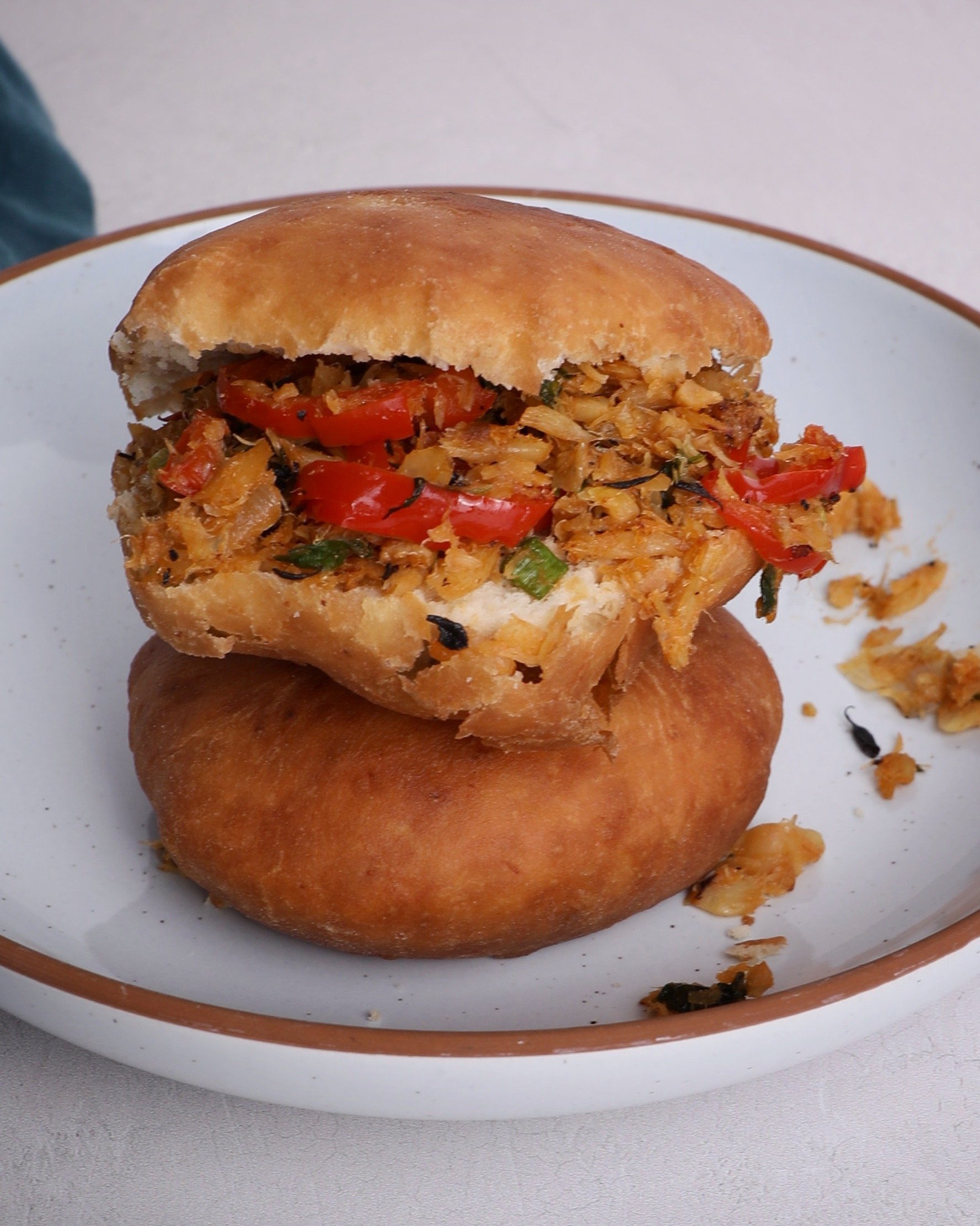 Medium
📜 Story
Medium
📜 Story
Bake and Saltfish
Fried Bread with Seasoned Salt Cod
Breakfast or weekend brunch Hard
📜 Story
Hard
📜 Story
Black Pudding with Rice
Spiced Blood Sausage with Seasoned Rice
Weekend breakfast or Christmas Medium
📜 Story
Medium
📜 Story
Bunjal Chicken
Dry-Fried Spiced Chicken
Dinner or party dish
Comments (0)
Log in to leave a comment.
No comments yet. Be the first to share your thoughts!