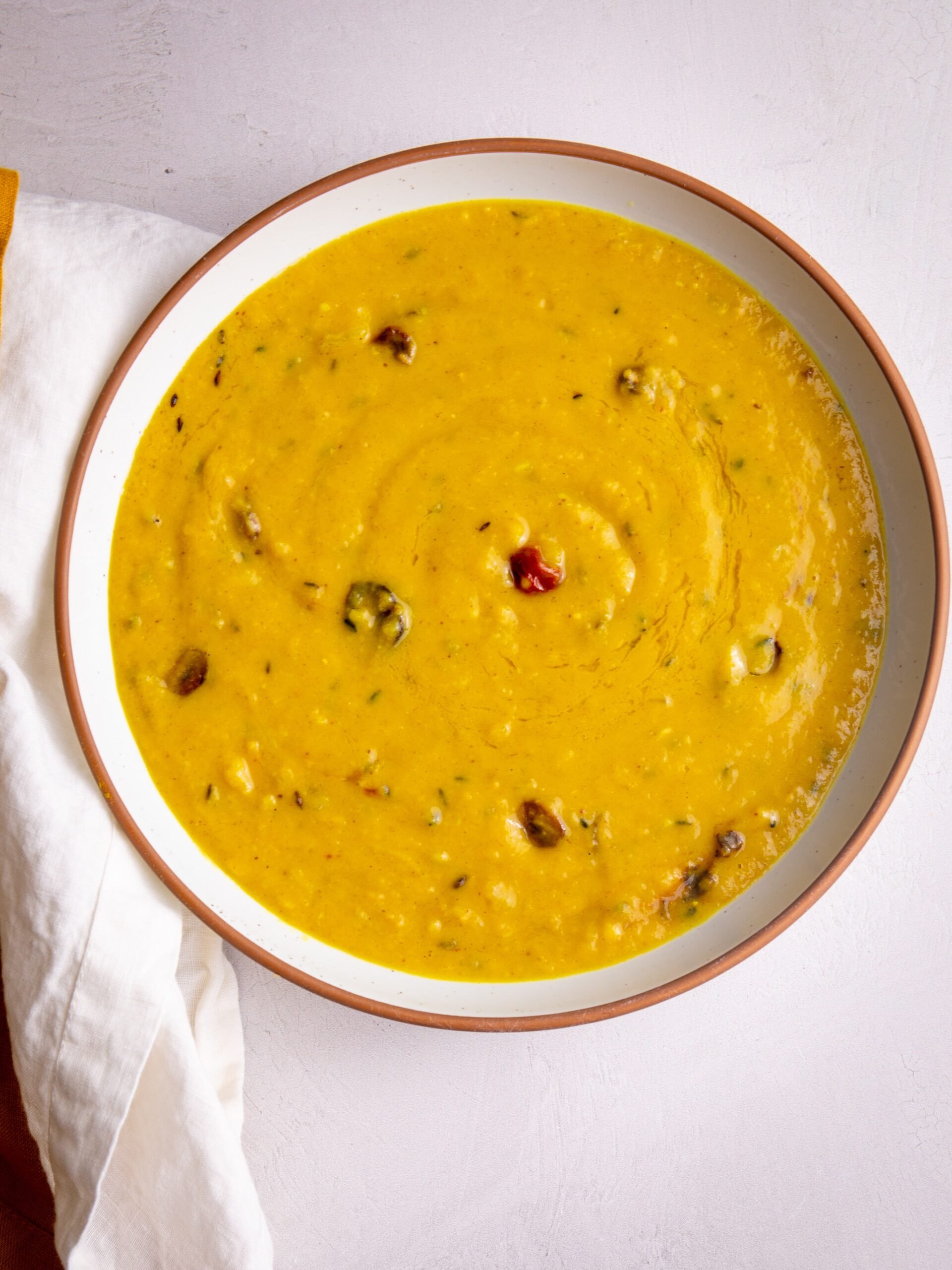
Silky smooth split pea soup tempered with cumin, garlic, and wiri wiri pepper, an essential accompaniment to every Guyanese rice meal.
Instructions
-
1
Wash split peas thoroughly and add to a pot with water and turmeric. Bring to a boil, skimming any foam.
-
2
Reduce heat and simmer thirty minutes, stirring occasionally, until peas completely break down into a smooth soup.
-
3
In a small skillet, heat oil until very hot. Add cumin seeds and let them sizzle and pop for ten seconds.
-
4
Add garlic and onion to the skillet and fry until golden brown. This is the tadka or tempering.
-
5
Pour the hot tadka into the dhal pot, add whole wiri wiri pepper, and stir. Simmer five more minutes.
-
6
Season with salt and garnish with cilantro. Serve as a sauce over rice or alongside roti.
Did You Know?
Guyanese families often judge a cook by their dhal, saying a good cook can make even plain dhal taste extraordinary.
The Story Behind Guyanese Dhal
Dhal came to Guyana with Indian indentured laborers in the 1830s and became the most universally eaten dish across all ethnic groups. Its simplicity and nutrition made it invaluable on the sugar plantations. The Guyanese version tends to be thinner than Indian dhal, more of a soup or sauce poured over rice. The addition of wiri wiri pepper is the distinctly Guyanese touch that sets it apart from its Indian ancestor.
More Guyanese Dishes
 Medium
📜 Story
Medium
📜 Story
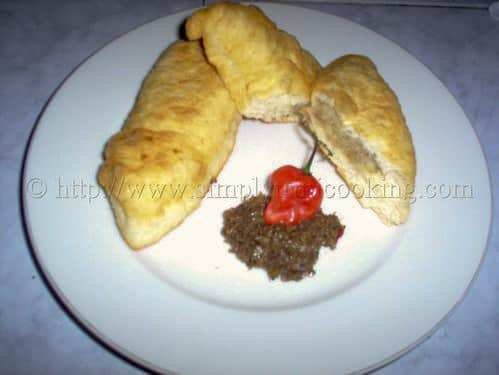
Aloo Pie
Fried Potato-Stuffed Pastry
Breakfast, snack, or anytime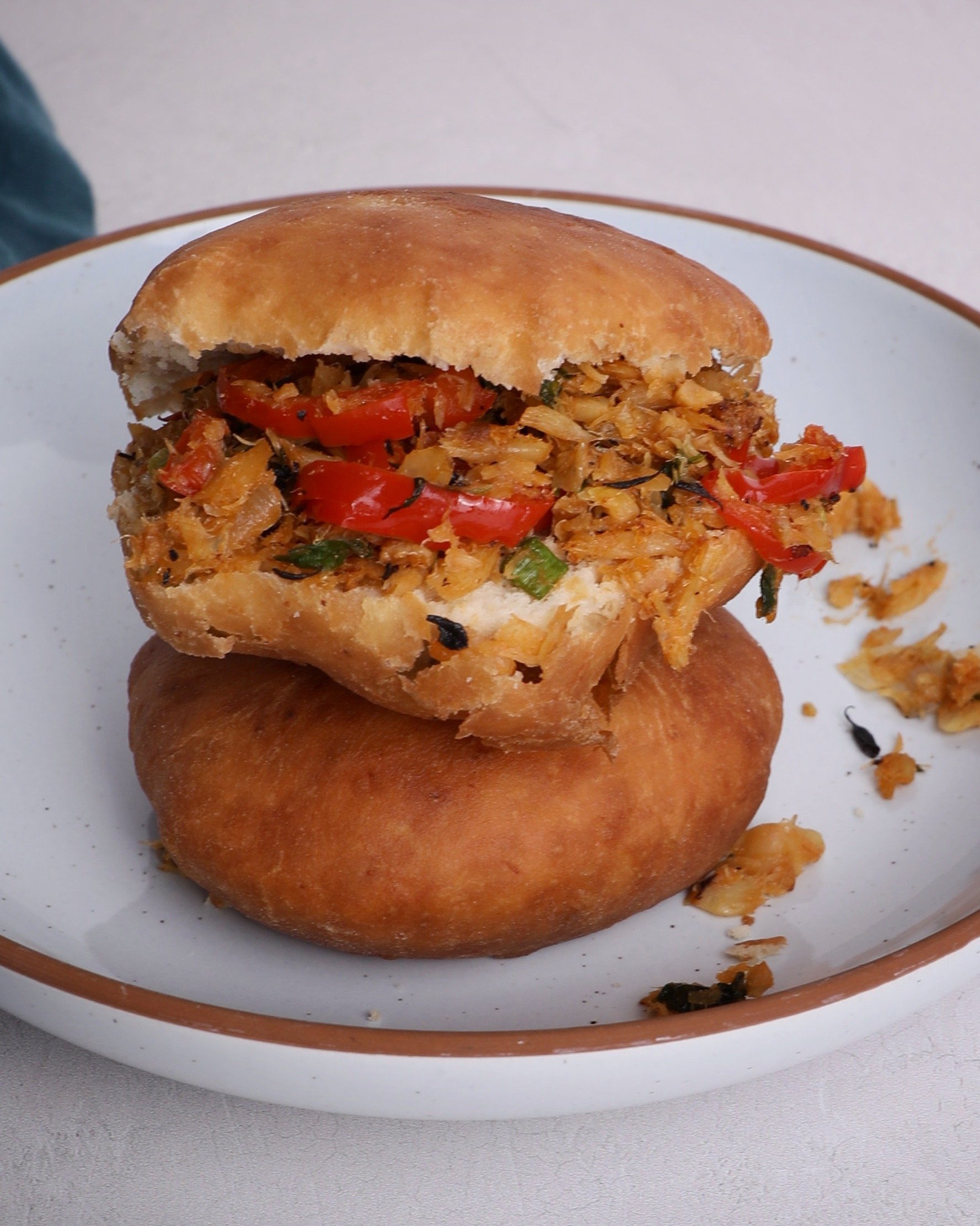 Medium
📜 Story
Medium
📜 Story
Bake and Saltfish
Fried Bread with Seasoned Salt Cod
Breakfast or weekend brunch Hard
📜 Story
Hard
📜 Story
Black Pudding with Rice
Spiced Blood Sausage with Seasoned Rice
Weekend breakfast or Christmas Medium
📜 Story
Medium
📜 Story
Bunjal Chicken
Dry-Fried Spiced Chicken
Dinner or party dish
Comments (0)
Log in to leave a comment.
No comments yet. Be the first to share your thoughts!