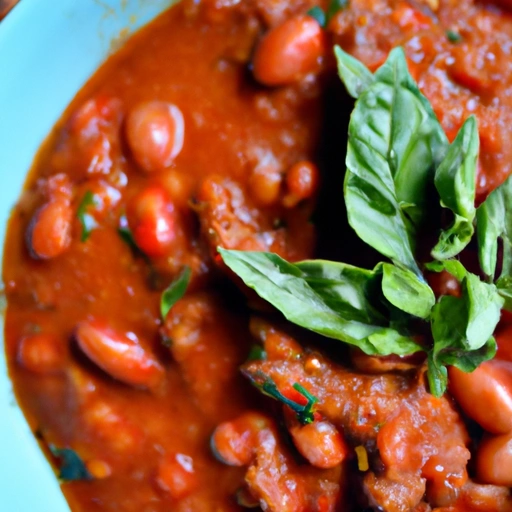
Riz Gras Guineen
Riz sauce arachide (ree sohs ah-rah-SHEED)
Rice with Groundnut Sauce
Fragrant rice served with a thick, creamy groundnut sauce loaded with chicken and vegetables. Guinea's everyday comfort food.
Nutrition & Info
Allergen Warnings
Equipment Needed
Presentation Guide
Vessel: flat plate with rice and sauce
Garnishes: chopped peanuts
Accompaniments: fried plantains
Instructions
-
1
Season the chicken pieces with salt, then heat the vegetable oil in a large deep pot over medium-high heat and brown the chicken on all sides for about six minutes, then remove and set aside on a plate.
-
2
In the same pot, saute the diced onions and garlic for four minutes until softened, then add the chopped tomatoes and tomato paste, cooking for another eight minutes until the tomatoes have broken down into a thick sauce.
-
3
Scoop the peanut butter into a bowl, add half a cup of warm water, and stir vigorously until smooth and pourable. Pour this mixture into the pot with the tomato sauce and stir well to combine into a uniform, creamy base.
-
4
Return the browned chicken to the pot, add the remaining water, bouillon cubes, and whole chilli peppers. Bring to a boil, then reduce heat to low and leave the pot uncovered, as groundnut sauce can foam and overflow if covered.
-
5
Simmer the sauce for thirty minutes, stirring occasionally, until the chicken is fully cooked and the peanut oil begins to rise and separate on the surface, indicating the sauce has reached the proper concentration.
-
6
Add the cubed aubergine to the simmering sauce, pushing the pieces beneath the surface, and cook for another fifteen minutes until the aubergine is completely tender and has absorbed the rich peanut flavour.
-
7
Meanwhile, rinse the rice thoroughly and cook it in a separate pot with salted water according to package directions until each grain is fluffy and distinct, then drain any excess water and keep warm.
-
8
Mound the steamed rice on individual plates or a large communal platter, ladle the rich groundnut sauce generously over the top with a piece of chicken and some aubergine, and serve hot in the traditional Guinean style.
Did You Know?
Guinea's groundnuts are considered among the finest in West Africa.
Chef's Notes
Equipment Tips
- heavy pot
- saucepan
- wooden spoon
Garnishing
chopped peanuts
Accompaniments
fried plantains
The Story Behind Riz Gras Guineen
The Story: Riz Gras Guineen, or Guinean greasy rice, is a richly flavored one-pot rice dish cooked in a tomato-based sauce with palm oil, onions, garlic, hot peppers, and chicken or beef, with vegetables like eggplant, okra, and sweet potato added to the pot. The name riz gras refers to the glossy, oil-enriched quality of the finished rice, which absorbs the flavors of the sauce as it cooks. The dish belongs to the broader West African family of Jollof-style rice preparations but carries a distinctly Guinean character in its use of palm oil alongside tomato and its particular spice balance.
On the Calendar: Riz gras is everyday lunch food throughout Guinea, served in homes, market stalls, and small restaurants. It is also scaled up for celebrations, community gatherings, and religious holidays, particularly during Eid and Tabaski (Eid al-Adha) celebrations.
Then & Now: The one-pot technique has remained consistent, with the primary change being wider availability of commercial tomato paste and cooking oil in urban areas. Each region and ethnic group maintains its own variation.
Legacy: Riz Gras Guineen proves that the simplest cooking method, simmering rice in a flavorful sauce, can produce a dish of remarkable depth when executed with quality palm oil, ripe tomatoes, and the patient hand of a Guinean cook.



Comments (0)
Log in to leave a comment.
No comments yet. Be the first to share your thoughts!