
A monumental cold salad of dozens of ingredients including sausages (beef), pickled vegetables, cheeses, and cold cuts assembled only once a year for Guatemala's Day of the Dead.
Instructions
-
1
Prepare all vegetables: blanch green beans, cauliflower; cook beets; julienne carrots; shred cabbage.
-
2
Slice beef cold cuts and cube cheese into uniform pieces.
-
3
Prepare the dressing by whisking olive oil, vinegar, mustard, salt, and pepper.
-
4
On a massive platter, arrange vegetables in sections or layers. Add cold cuts and cheese.
-
5
Top with hard-boiled eggs, olives, pickled onions, and baby corn.
-
6
Drizzle dressing over the entire platter. Refrigerate until ready to serve.
Did You Know?
Some elaborate fiambres contain over 50 ingredients, and every family guards their recipe like a state secret, competing silently with neighbors each November 1st.
The Story Behind Fiambre
Fiambre is Guatemala's most extraordinary culinary tradition, served exclusively on November 1 to honor the dead. Families carry platters of fiambre to cemeteries to eat alongside their departed loved ones. The dish blends indigenous, Spanish, and German immigrant influences into a cold salad of staggering complexity. Preparing fiambre can take two full days.
More Guatemalan Dishes
 Easy
📜 Story
Easy
📜 Story
Arroz con Leche
Guatemalan Rice Pudding
Dessert, afternoon snack Easy
📜 Story
Easy
📜 Story
Atol de Elote
Sweet Corn Drink
Breakfast, afternoon snack Medium
📜 Story
Medium
📜 Story
Caldo de Res
Guatemalan Beef Soup
Saturday lunch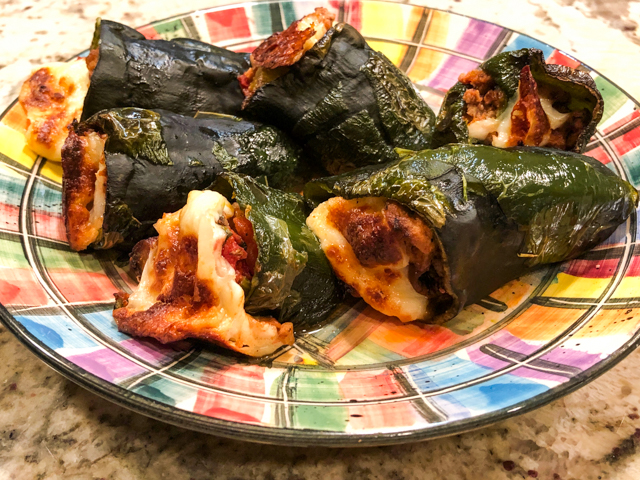 Medium
📜 Story
Medium
📜 Story
Chiles Rellenos Guatemaltecos
Guatemalan Stuffed Peppers
Lunch, celebrations
Comments (0)
Log in to leave a comment.
No comments yet. Be the first to share your thoughts!