
Chicken breast pounded thin, breaded in golden breadcrumbs, and pan-fried in butter until shatteringly crispy. Uses chicken instead of traditional meat. Served with a squeeze of lemon, it's the definition of comfort.
Nutrition & Info
Allergen Warnings
Equipment Needed
Presentation Guide
Vessel: large flat plate
Garnishes: lemon wedge, fresh parsley
Accompaniments: potato salad, cranberry sauce
Instructions
-
1
Place each chicken breast between two sheets of plastic wrap. Using a meat mallet or rolling pin, pound the chicken to a uniform thickness of about five millimetres. The cutlets should be very thin and even so they cook quickly and the breading stays crispy.
-
2
Set up a three-stage breading station in shallow dishes: seasoned flour, beaten egg mixture, and breadcrumbs. Working systematically from left to right prevents the coating from becoming clumpy and ensures even, thorough coverage.
-
3
Dredge each pounded cutlet first in flour, shaking off all excess. Then dip in the beaten egg, allowing any drips to fall off. Finally, press into the breadcrumbs on both sides, coating thoroughly but not pressing too firmly. The coating should sit loosely.
-
4
Let the breaded cutlets rest on a wire rack for five minutes. This brief rest helps the coating adhere properly so it does not separate from the meat during frying. The breading should not be packed tight against the meat but float slightly.
-
5
Heat the clarified butter or oil in a large heavy skillet until it reaches 170C and shimmers visibly. The fat should be about one centimetre deep. Place two schnitzels at a time in the pan, not overlapping, and cook for three to four minutes per side.
-
6
Gently swirl the pan while frying so the hot fat washes over the top surface of the schnitzel. This wave-frying technique puffs the breading slightly and creates the characteristic wrinkled, golden crust that separates from the meat underneath.
-
7
Remove the golden schnitzels and drain briefly on a wire rack, never on paper towels which trap steam and make the crust soggy. Season with a pinch of salt and serve immediately with lemon wedges, potato salad, and lingonberry jam on the side.
Did You Know?
Uses chicken instead of the traditional pork. A proper schnitzel's breading should billow and separate slightly from the meat — this 'soufflé' effect is the mark of excellence.
Chef's Notes
Equipment Tips
- meat mallet
- breading station (3 bowls)
- large skillet
Garnishing
lemon wedge, fresh parsley
Accompaniments
potato salad, cranberry sauce
The Story Behind Schnitzel
The Story: Schnitzel in Germany typically refers to a thin cutlet of veal or chicken, pounded flat, breaded in a coating of flour, egg, and breadcrumbs, and pan-fried in butter or oil until golden and crisp. While Wiener Schnitzel (veal) is Austrian in origin, the German tradition embraces schnitzel in countless regional variations, from the Jagerschnitzel topped with mushroom gravy to the Zigeunerschnitzel with pepper sauce. The breading technique arrived in Central Europe via northern Italian influences during the medieval period, possibly through Milanese connections to the Habsburg court.
On the Calendar: Schnitzel is everyday restaurant and home-cooking food in Germany, served at lunch and dinner throughout the year. It is standard fare at beer gardens, traditional restaurants (Gasthauser), and workplace cafeterias.
Then & Now: While veal schnitzel remains the premium version, chicken and turkey schnitzel have become increasingly popular for practical and economic reasons. The technique remains consistent: proper pounding, triple-layer breading, and pan-frying in hot fat to achieve the characteristic puffed, golden crust.
Legacy: The schnitzel is Germany's most democratic main course, a dish that crosses all regional boundaries and appears on every menu, from the humblest canteen to the finest traditional restaurant.
More German Dishes
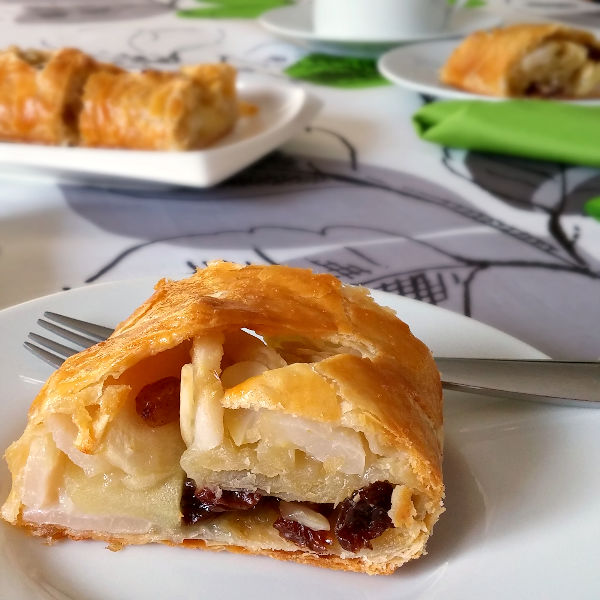 Hard
📜 Story
Hard
📜 Story
Apfelstrudel
Apple Strudel
Afternoon coffee or dessert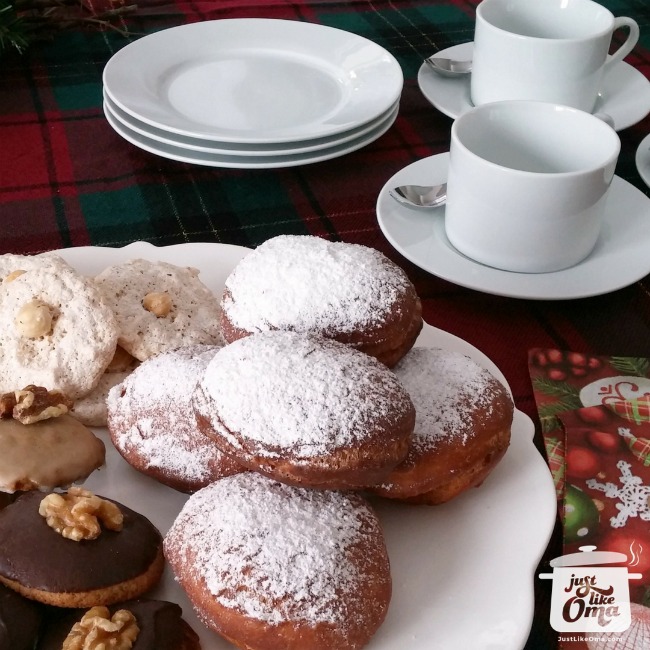 Medium
📜 Story
Medium
📜 Story
Berliner Pfannkuchen
Berlin Jelly Doughnut
Carnival (Karneval/Fasching) and New Year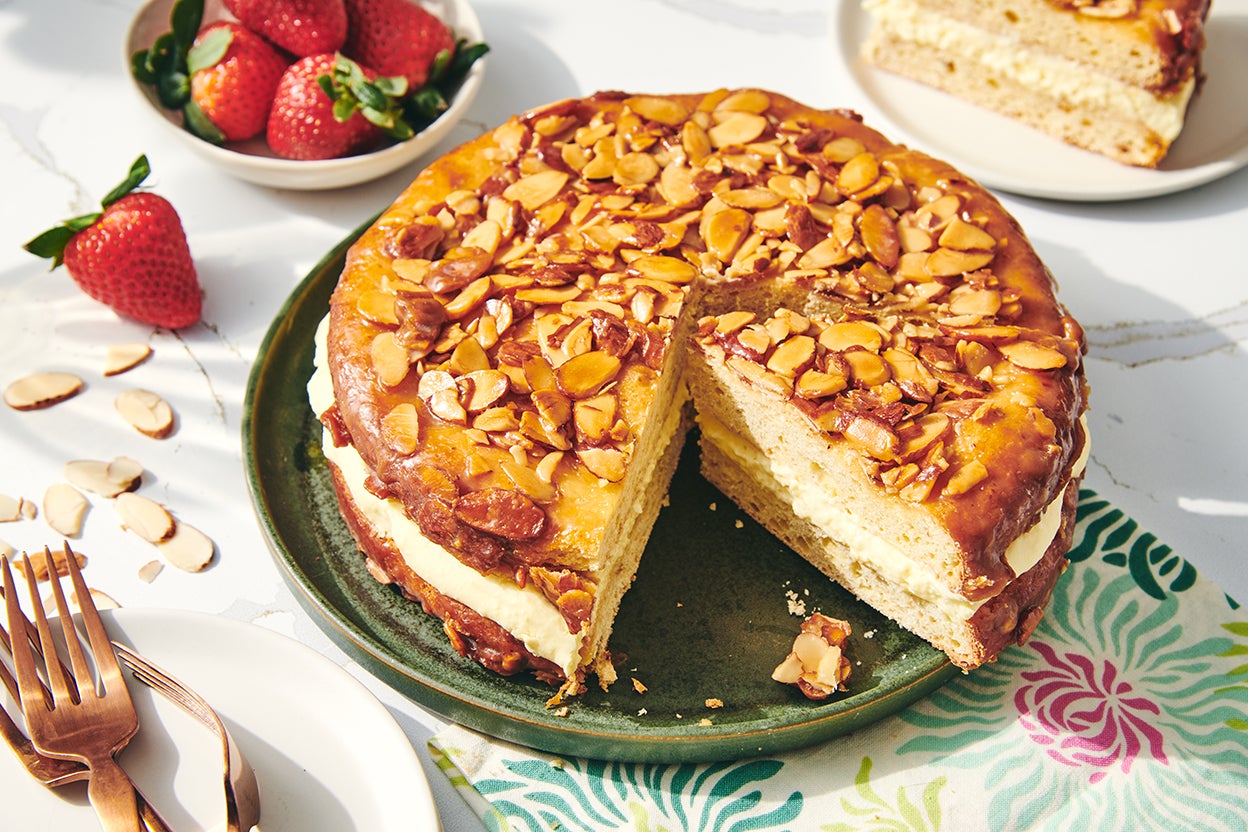 Hard
📜 Story
Hard
📜 Story
Bienenstich
Bee Sting Cake
Afternoon coffee (Kaffee und Kuchen) Medium
📜 Story
Medium
📜 Story
Brezel
Pretzels
Breakfast, snack, beer accompaniment
Comments (0)
Log in to leave a comment.
No comments yet. Be the first to share your thoughts!