
Beef roast marinated for days in a tangy vinegar-spice mixture, then slow-braised until fork-tender in a sweet-sour gravy with gingersnap cookies. Germany's most complex and rewarding dish.
Nutrition & Info
Equipment Needed
Presentation Guide
Vessel: deep plate
Garnishes: gravy ladled over
Accompaniments: red cabbage, potato dumplings (Kartoffelklöße)
Instructions
-
1
Combine the red wine vinegar, water, red wine, half the sliced onions, bay leaves, cloves, juniper berries, and peppercorns in a large non-reactive pot. Bring to a boil, then remove from heat and cool completely to room temperature.
-
2
Place the beef roast in a deep ceramic or glass dish and pour the cooled marinade over it. The meat should be fully submerged. Cover tightly and refrigerate for three to five days, turning the meat once daily. This long marination tenderizes and flavours the beef.
-
3
Remove the beef from the marinade and pat very dry with paper towels. Strain the marinade, reserving the liquid and discarding the spent vegetables and spices. Season the beef with salt on all sides just before browning.
-
4
Heat the oil in a large Dutch oven over high heat. Sear the beef on all sides for eight to ten minutes total until a deep brown crust forms. Remove the beef. Add the remaining sliced onions, carrots, and celery, cooking for five minutes until softened.
-
5
Return the beef to the pot and pour in three cups of the reserved strained marinade. Bring to a simmer, then cover tightly and transfer to an oven preheated to 160C. Braise for three to three and a half hours, turning once, until the meat is fork-tender.
-
6
Remove the tender beef and keep warm under foil. Strain the braising liquid into a saucepan, pressing on the vegetables. Bring to a simmer and whisk in the crushed gingersnaps and brown sugar. Cook for ten minutes until the sauce thickens into a glossy, sweet-sour gravy.
-
7
Slice the sauerbraten against the grain into one-centimetre-thick slices. Arrange on a warm platter and ladle the sweet-sour gingersnap gravy generously over the top. Serve with potato dumplings, red cabbage, and additional gravy on the side.
Did You Know?
Sauerbraten marinates for up to a week — the word literally means 'sour roast.' The gingersnap-thickened gravy is a Rhineland tradition that adds sweetness.
Chef's Notes
Equipment Tips
- dutch oven
- sharp knife
- large bowl for marinating
Garnishing
gravy ladled over
Accompaniments
red cabbage, potato dumplings (Kartoffelklöße)
The Story Behind Sauerbraten
The Story: Sauerbraten is Germany's quintessential pot roast: a large cut of beef marinated for three to seven days in a mixture of vinegar or wine, water, onions, carrots, juniper berries, cloves, bay leaves, and peppercorns, then slow-braised until fork-tender and served with a rich, sweet-sour gravy thickened with crushed gingersnaps or raisins. The dish dates to at least the medieval period, when vinegar marinades served the dual purpose of tenderizing tough cuts of meat and preserving them before refrigeration. Regional variations abound: Rhineland sauerbraten uses raisins and beet syrup, Franconian versions feature gingersnaps, and Swabian preparations emphasize wine.
On the Calendar: Sauerbraten is a Sunday and holiday dish, requiring days of advance planning for the marination. It is served at family celebrations, Christmas markets, and traditional German restaurants year-round.
Then & Now: The long marination time makes sauerbraten a dish of anticipation and planning that resists modern shortcuts. While some contemporary recipes reduce marination to two or three days, traditionalists insist on a full week for optimal flavor development.
Legacy: Sauerbraten is patience made delicious, a dish that rewards days of waiting with a depth of sweet-sour flavor that no quick-cooking method can replicate.
More German Dishes
 Hard
📜 Story
Hard
📜 Story
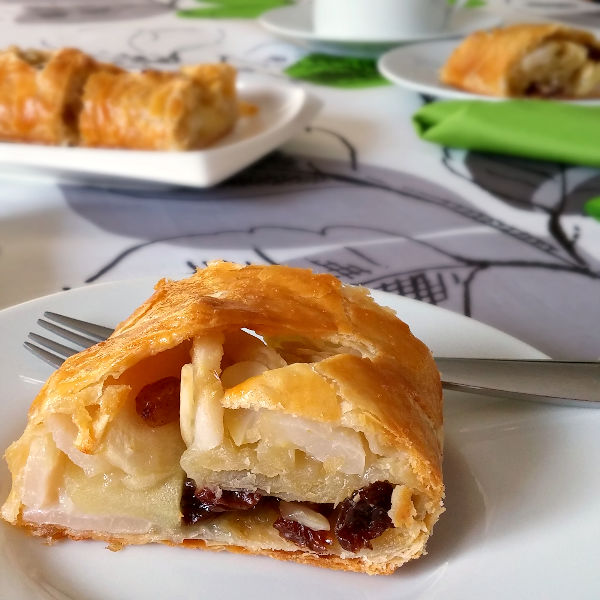
Apfelstrudel
Apple Strudel
Afternoon coffee or dessert Medium
📜 Story
Medium
📜 Story
Berliner Pfannkuchen
Berlin Jelly Doughnut
Carnival (Karneval/Fasching) and New Year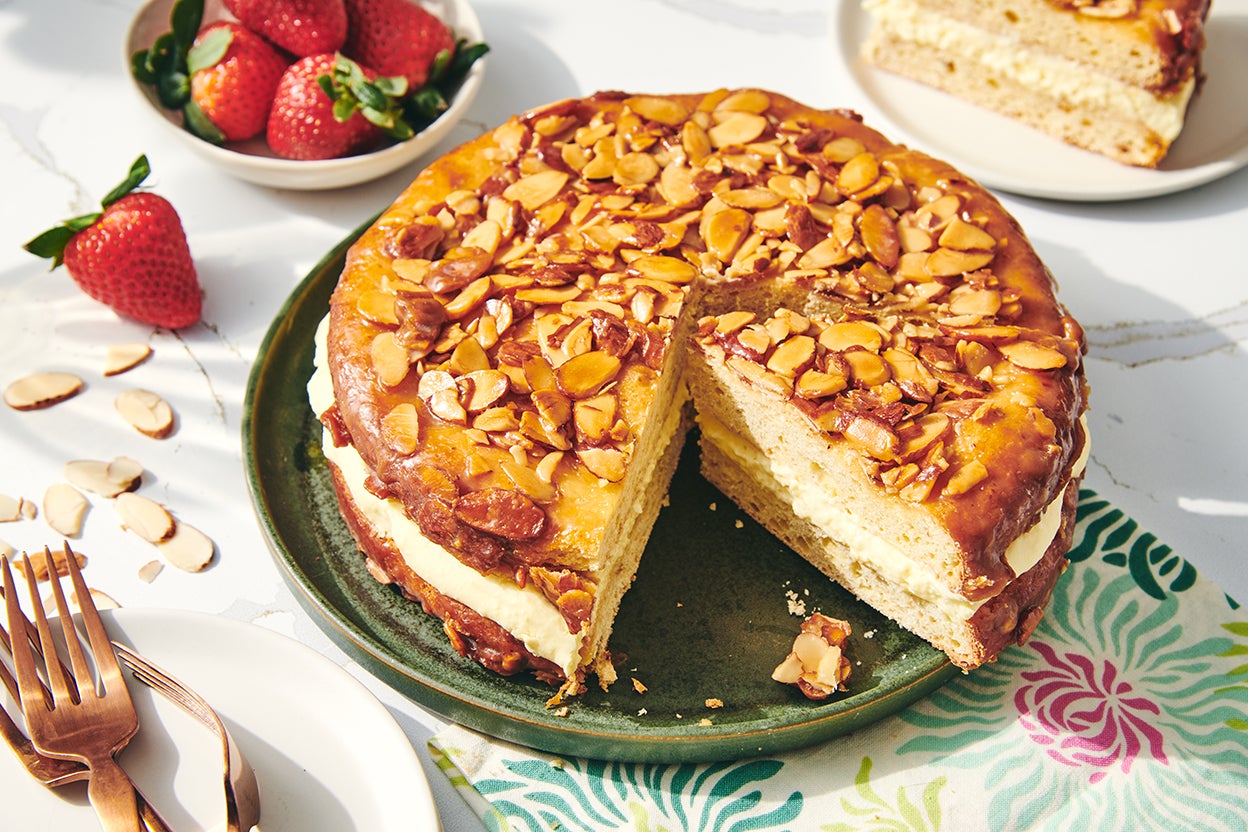 Hard
📜 Story
Hard
📜 Story
Bienenstich
Bee Sting Cake
Afternoon coffee (Kaffee und Kuchen) Medium
📜 Story
Medium
📜 Story
Brezel
Pretzels
Breakfast, snack, beer accompaniment
Comments (0)
Log in to leave a comment.
No comments yet. Be the first to share your thoughts!