
Thin slices of beef rolled around a filling of mustard, onions, and pickles, braised in rich brown gravy until fork-tender.
Nutrition & Info
Equipment Needed
Presentation Guide
Instructions
-
1
Lay beef slices flat, season with salt and pepper. Spread each with a thin layer of mustard.
-
2
Place strips of smoked turkey, diced onion, and pickle spears along one edge of each slice. Roll up tightly and secure with twine or toothpicks.
-
3
Sear roulades in hot oil in a Dutch oven until browned on all sides. Remove and set aside.
-
4
In the same pot, sauté sliced onion and tomato paste for 3 min. Sprinkle in flour and stir.
-
5
Deglaze with red wine, then add beef broth, bay leaves, and allspice. Return roulades to the pot.
-
6
Cover and braise at 160°C (325°F) for 2 hours until fork-tender. Remove roulades, strain and thicken the gravy.
Did You Know?
Rinderrouladen are considered the quintessential German Sunday roast — many families have passed down their exact filling recipe for generations.
Chef's Notes
Equipment Tips
- large Dutch oven
- kitchen twine or toothpicks
- sharp knife
Garnishing
fresh parsley, gravy
Accompaniments
The Story Behind Rinderroulade
Rouladen became a fixture of German bourgeois cuisine in the 19th century, when the technique of braising rolled meat in gravy became widespread. The dish showcases the German talent for slow-braised beef, transforming an economical cut into something magnificent. It remains a Sunday tradition across central and northern Germany.
More German Dishes
 Hard
📜 Story
Hard
📜 Story
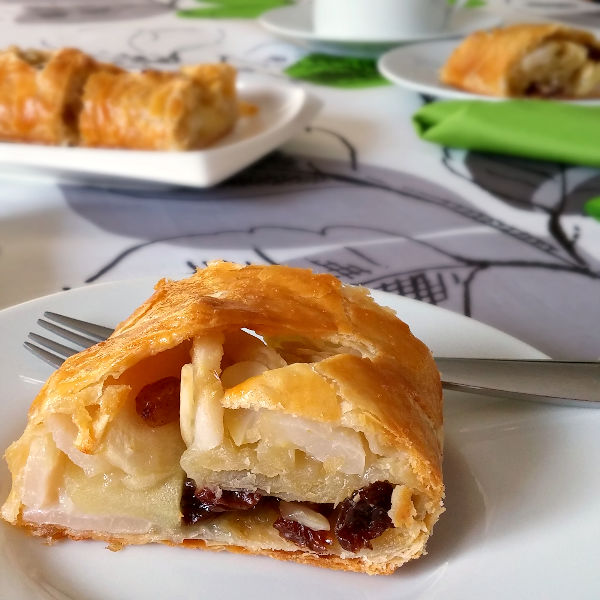
Apfelstrudel
Apple Strudel
Afternoon coffee or dessert Medium
📜 Story
Medium
📜 Story
Berliner Pfannkuchen
Berlin Jelly Doughnut
Carnival (Karneval/Fasching) and New Year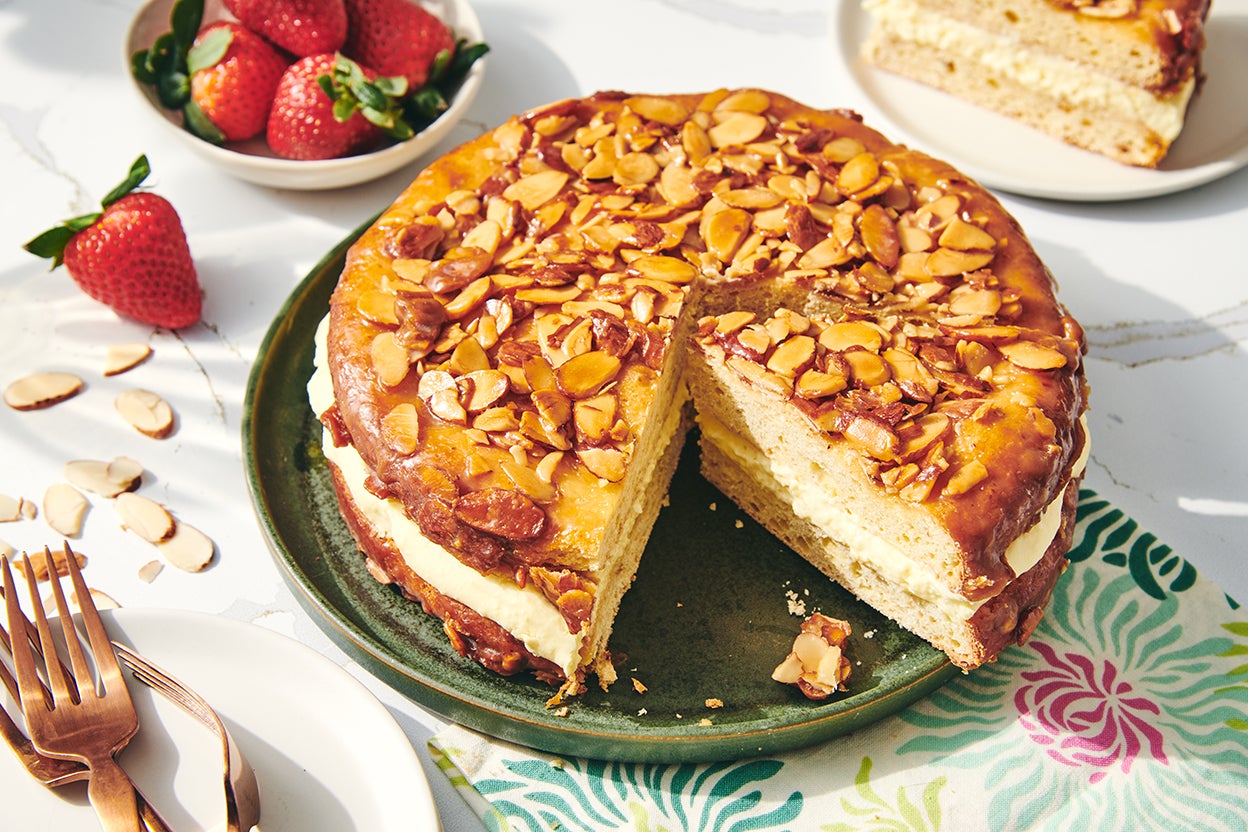 Hard
📜 Story
Hard
📜 Story
Bienenstich
Bee Sting Cake
Afternoon coffee (Kaffee und Kuchen) Medium
📜 Story
Medium
📜 Story
Brezel
Pretzels
Breakfast, snack, beer accompaniment
Comments (0)
Log in to leave a comment.
No comments yet. Be the first to share your thoughts!