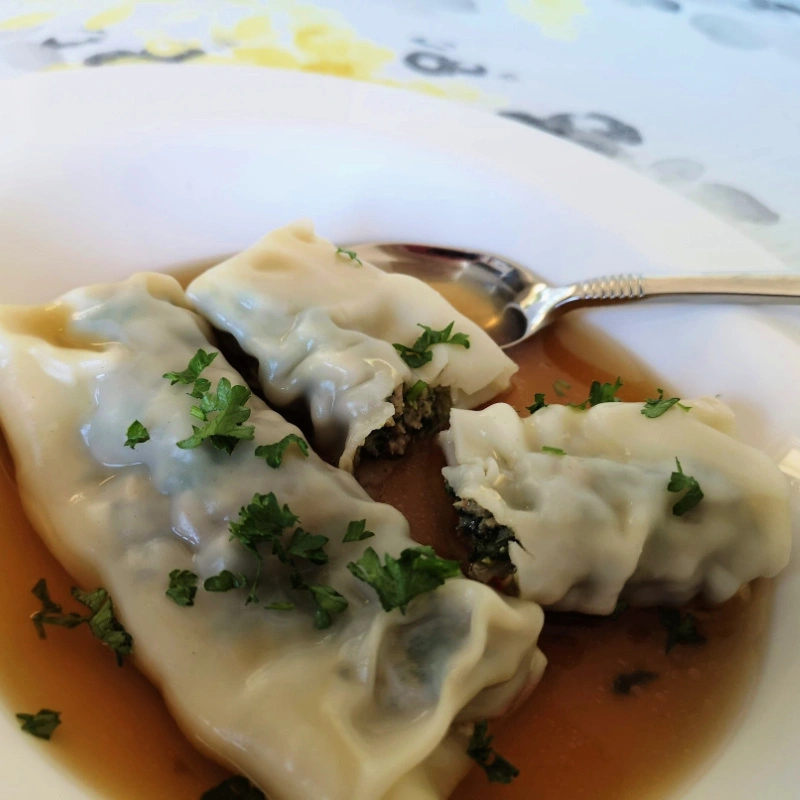
Large Swabian pasta parcels stuffed with a savory filling of ground beef, spinach, onions, and herbs, served in broth or pan-fried in butter.
Nutrition & Info
Allergen Warnings
Equipment Needed
Presentation Guide
Vessel: deep soup bowl or skillet
Garnishes: fried onions, chives, broth
Accompaniments: Kartoffelsalat, green salad
Instructions
-
1
Make pasta dough: combine flour, eggs, salt, and water. Knead 10 min until very smooth. Wrap and rest 30 min.
-
2
Brown ground beef with diced onion. Mix with chopped spinach, squeezed bread rolls, parsley, salt, pepper, and nutmeg.
-
3
Roll pasta dough very thin into a large rectangle.
-
4
Place spoonfuls of filling at intervals along the dough. Fold dough over and press between mounds to seal. Cut into individual Maultaschen.
-
5
Simmer in beef broth for 10-12 min until the pasta is cooked through.
-
6
Serve in broth (Maultaschen in der Brühe) or, alternatively, slice and pan-fry in butter with fried onions.
Did You Know?
Legend says Swabian monks invented Maultaschen to hide meat inside pasta during Lent — reasoning that God couldn't see the meat through the dough wrapping.
Chef's Notes
Equipment Tips
- rolling pin
- large pot
- sharp knife
- mixing bowl
Garnishing
fried onions, chives, broth
Accompaniments
Kartoffelsalat, green salad
The Story Behind Maultaschen
Maultaschen are Swabia's most iconic dish, granted EU Protected Geographical Indication in 2009. The legend of monks hiding meat during Lent is cherished but likely apocryphal. The dish shows clear kinship with Italian ravioli and East Asian dumplings, reflecting trade routes through medieval Swabia. They remain a Friday and holiday tradition in Baden-Württemberg.
More German Dishes
 Hard
📜 Story
Hard
📜 Story
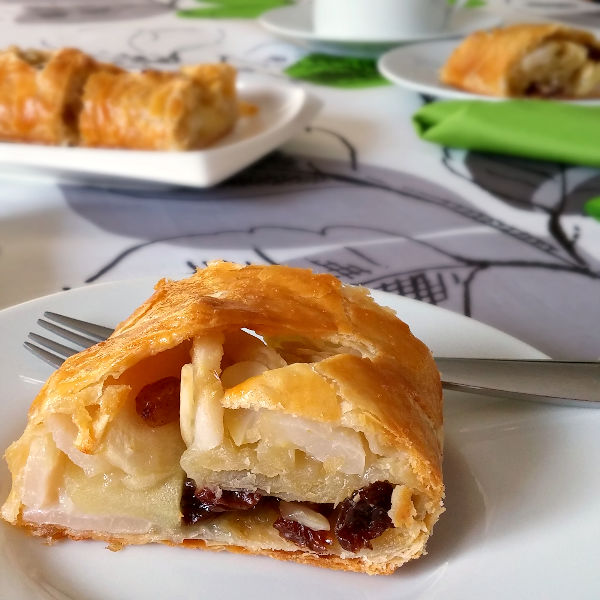
Apfelstrudel
Apple Strudel
Afternoon coffee or dessert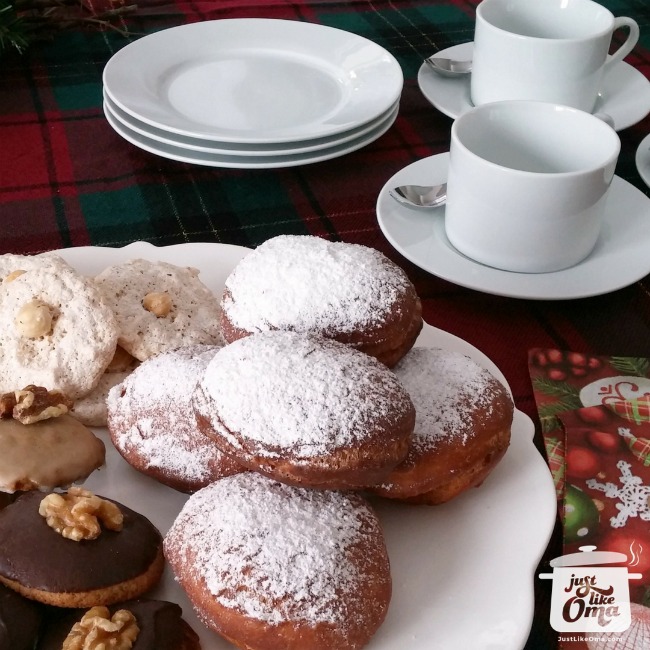 Medium
📜 Story
Medium
📜 Story
Berliner Pfannkuchen
Berlin Jelly Doughnut
Carnival (Karneval/Fasching) and New Year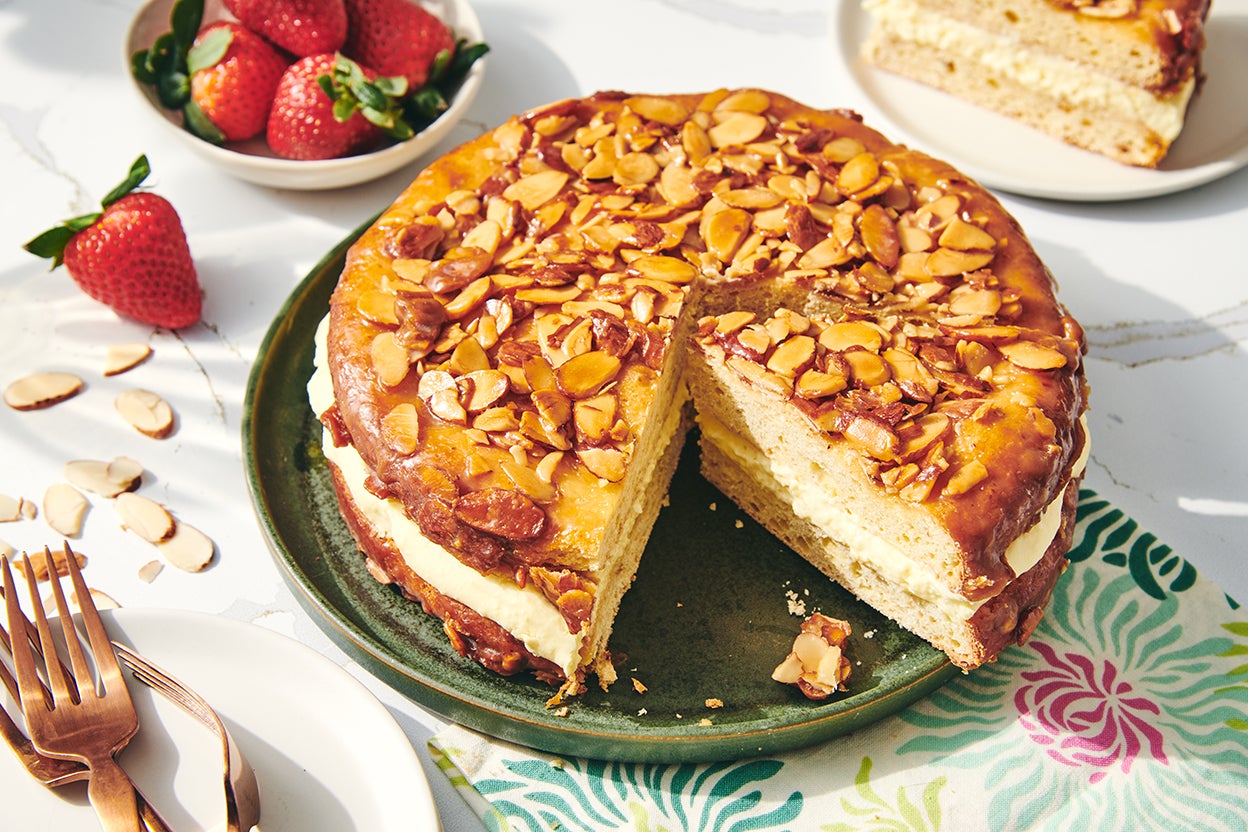 Hard
📜 Story
Hard
📜 Story
Bienenstich
Bee Sting Cake
Afternoon coffee (Kaffee und Kuchen) Medium
📜 Story
Medium
📜 Story
Brezel
Pretzels
Breakfast, snack, beer accompaniment
Comments (0)
Log in to leave a comment.
No comments yet. Be the first to share your thoughts!