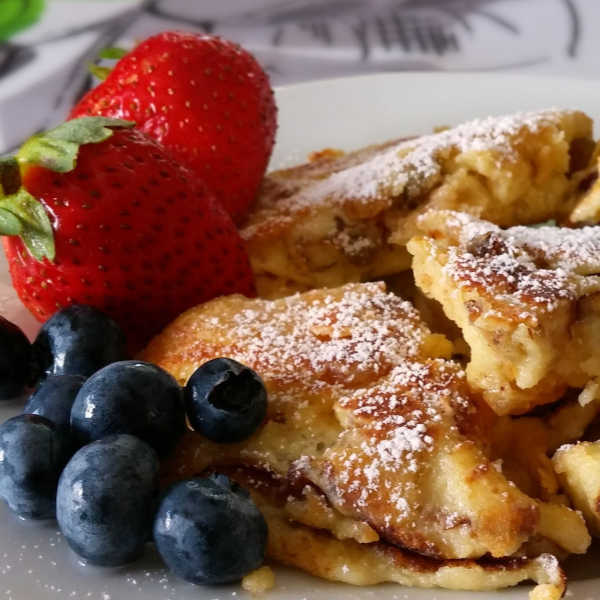
Kaiserschmarrn
Kaiserschmarrn (KAI-zer-shmarn)
Emperor's Shredded Pancake
A fluffy, torn pancake caramelized in butter and sugar, dusted with powdered sugar and served with warm plum compote — a dessert fit for an emperor.
Nutrition & Info
Allergen Warnings
Equipment Needed
Presentation Guide
Vessel: cast iron skillet or warm plate
Garnishes: powdered sugar, raisins
Accompaniments: plum compote, applesauce
Instructions
-
1
Whisk egg yolks with milk, flour, vanilla, and a pinch of salt until smooth.
-
2
Beat egg whites with sugar until stiff peaks form. Gently fold into the batter.
-
3
Melt half the butter in a large oven-safe skillet over medium heat. Pour in the batter, scatter raisins on top.
-
4
Cook until the bottom sets, about 3 min. Place under a hot broiler or in a 200°C oven for 5 min until puffed and golden.
-
5
Tear the pancake into rough pieces with two forks. Add remaining butter and sugar, toss until caramelized and golden.
-
6
Dust generously with powdered sugar and serve immediately with warm plum compote.
Did You Know?
Legend says Kaiserschmarrn was created for Emperor Franz Joseph I of Austria when his cook failed to flip a pancake — the "ruined" result became the emperor's favorite dessert.
Chef's Notes
Equipment Tips
- large oven-safe skillet
- mixing bowls
- whisk
Garnishing
powdered sugar, raisins
Accompaniments
plum compote, applesauce
The Story Behind Kaiserschmarrn
Kaiserschmarrn ("Emperor's mess") is an Austrian-Bavarian dessert with origins in the 19th-century Habsburg court. The legend ties it to Emperor Franz Joseph I, though simpler torn pancakes (Schmarrn) were already peasant food in the Alps. The imperial version elevated the dish with separated eggs, rum-soaked raisins, and the accompanying Zwetschgenröster.
More German Dishes
 Hard
📜 Story
Hard
📜 Story
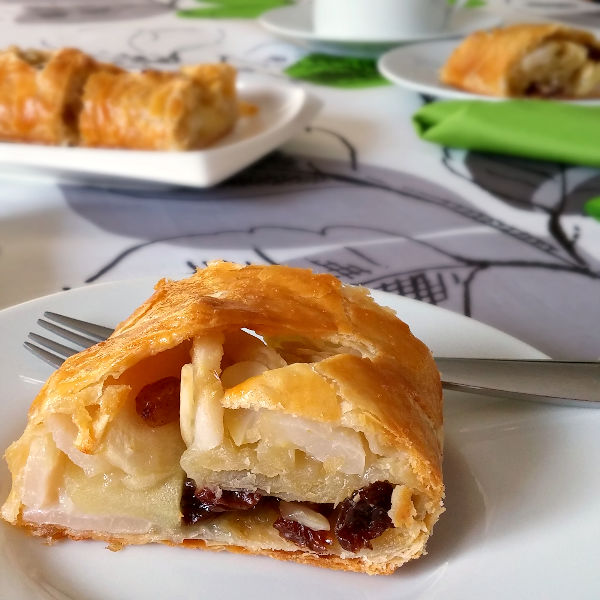
Apfelstrudel
Apple Strudel
Afternoon coffee or dessert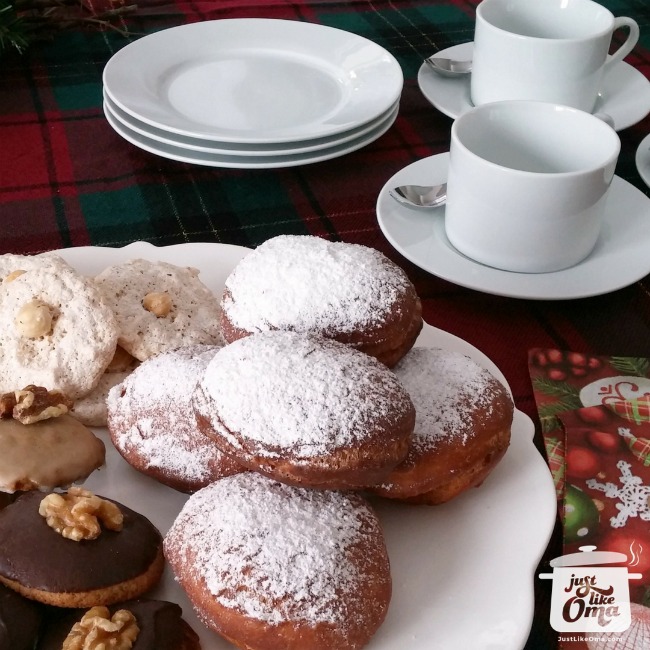 Medium
📜 Story
Medium
📜 Story
Berliner Pfannkuchen
Berlin Jelly Doughnut
Carnival (Karneval/Fasching) and New Year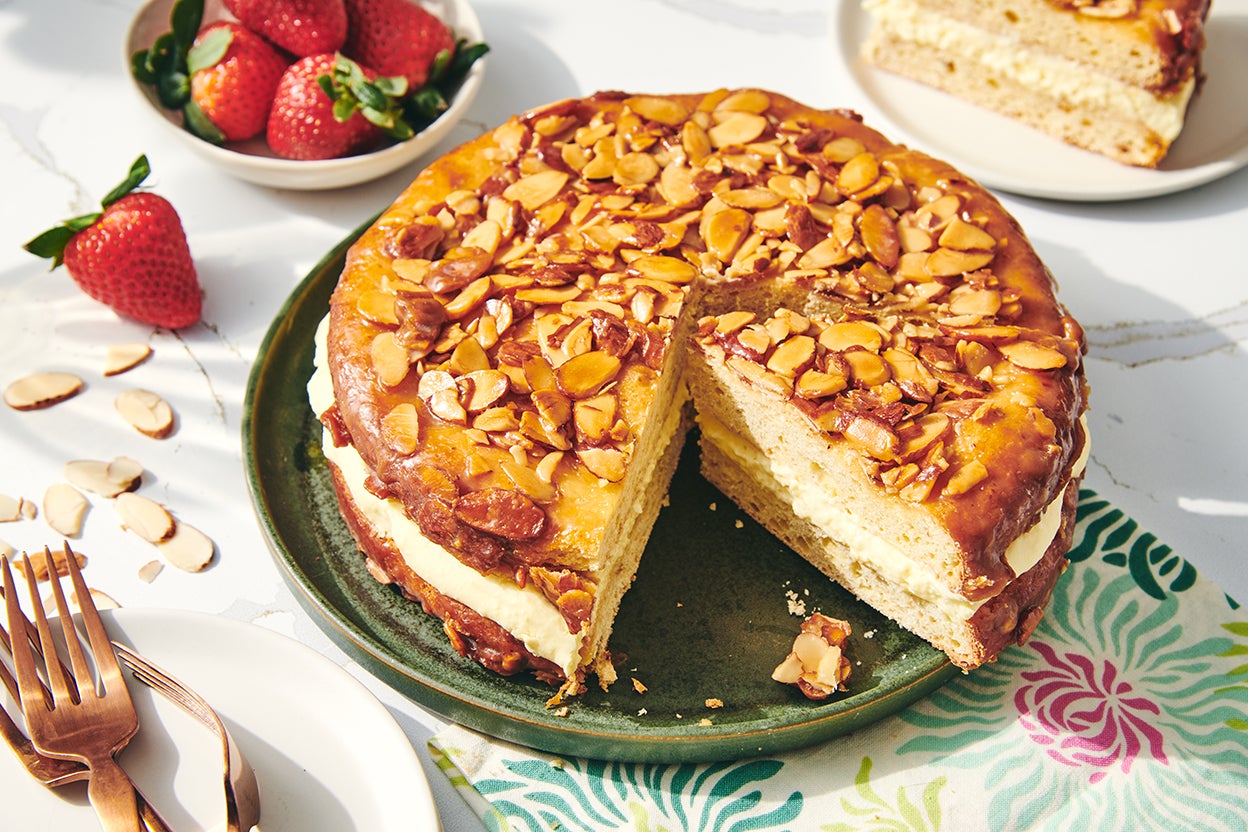 Hard
📜 Story
Hard
📜 Story
Bienenstich
Bee Sting Cake
Afternoon coffee (Kaffee und Kuchen) Medium
📜 Story
Medium
📜 Story
Brezel
Pretzels
Breakfast, snack, beer accompaniment
Comments (0)
Log in to leave a comment.
No comments yet. Be the first to share your thoughts!