
A thick, glossy pudding made by cooking fresh grape juice with flour until set, studded with walnuts — the same mixture used to coat churchkhela strings.
Nutrition & Info
Allergen Warnings
Equipment Needed
Presentation Guide
Vessel: individual glass dishes
Garnishes: walnut pieces, cinnamon dust
Accompaniments: none
Instructions
-
1
Set aside one cup of cold grape juice, then bring the remaining juice to a gentle boil in a heavy saucepan over medium heat.
-
2
Whisk the flour and cornmeal into the reserved cold grape juice until completely smooth with no lumps remaining at all.
-
3
Slowly pour the flour-juice mixture into the hot grape juice while whisking constantly to prevent lumps from forming.
-
4
Cook on medium-low heat, stirring continuously, for fifteen minutes until the mixture becomes very thick and glossy.
-
5
Fold in the chopped walnuts and optional cinnamon, then pour into individual serving dishes or a shallow tray to set.
-
6
Cool to room temperature, then refrigerate for at least two hours until firm and sliceable before serving in portions.
Did You Know?
Pelamushi is essentially churchkhela filling served as a standalone dessert — the same grape-flour mixture is used to coat the walnut strings that become churchkhela.
Chef's Notes
Equipment Tips
- heavy saucepan
- serving dishes
- wooden spoon
Garnishing
walnut pieces, cinnamon dust
Accompaniments
none
The Story Behind Pelamushi
Pelamushi is inseparable from Georgia's ancient winemaking tradition. Made during the rtveli grape harvest, it uses the freshly pressed juice before fermentation. This dessert connects Georgians to their eight-thousand-year viticultural heritage.
More Georgian Dishes
 Easy
📜 Story
Easy
📜 Story
Ajapsandali
Georgian Vegetable Stew
Summer lunch or dinner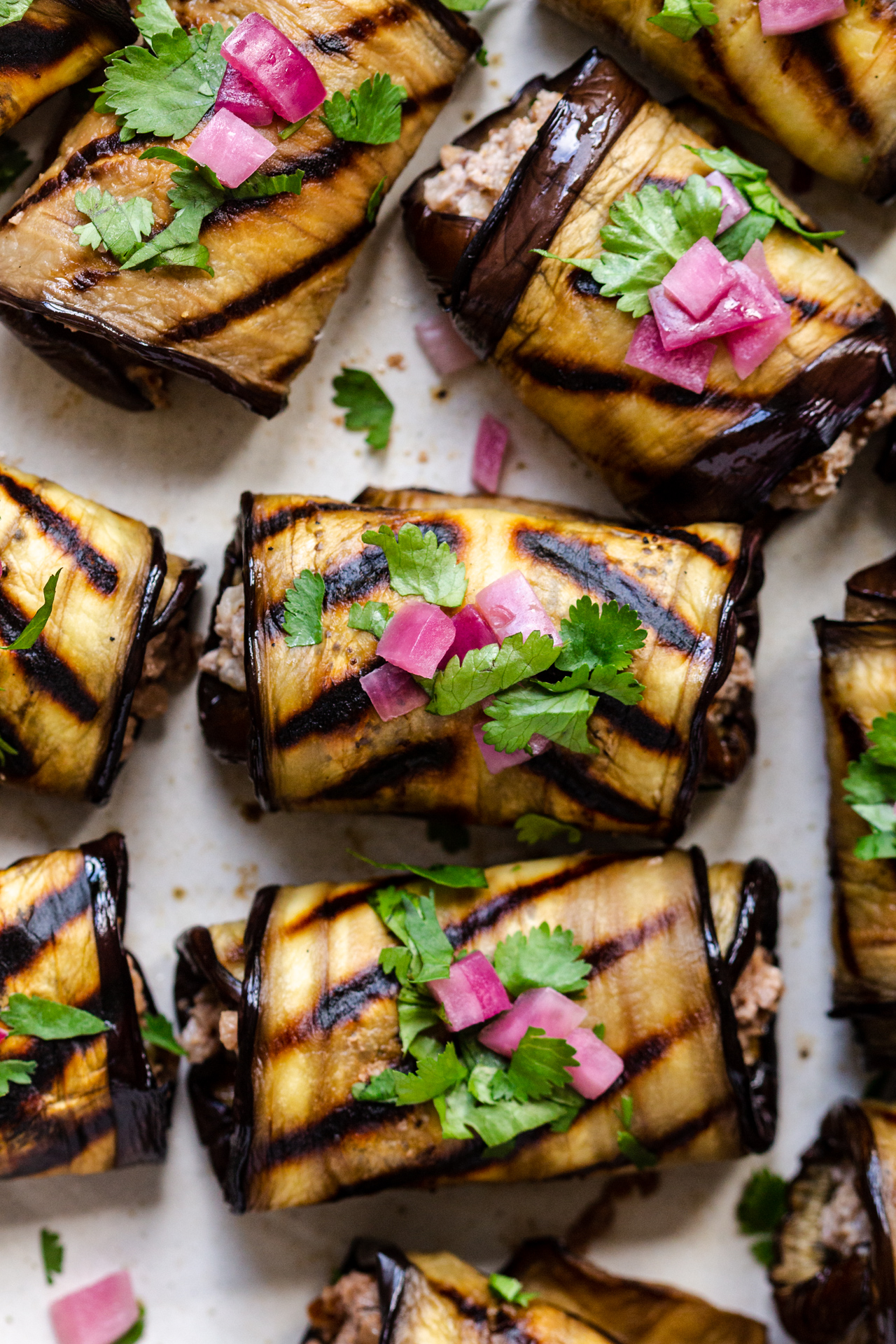 Medium
📜 Story
Medium
📜 Story
Badrijani Nigvzit
Eggplant Rolls with Walnut Paste
Supra feast starter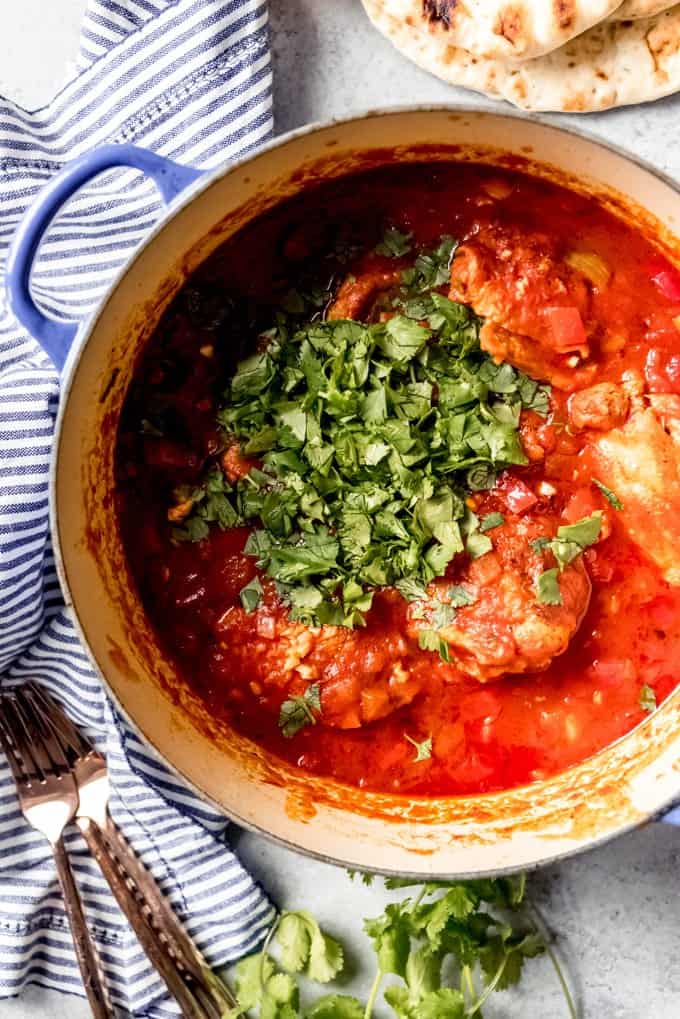 Medium
📜 Story
Medium
📜 Story
Chakhokhbili
Chicken Stew with Tomatoes and Herbs
Lunch or dinner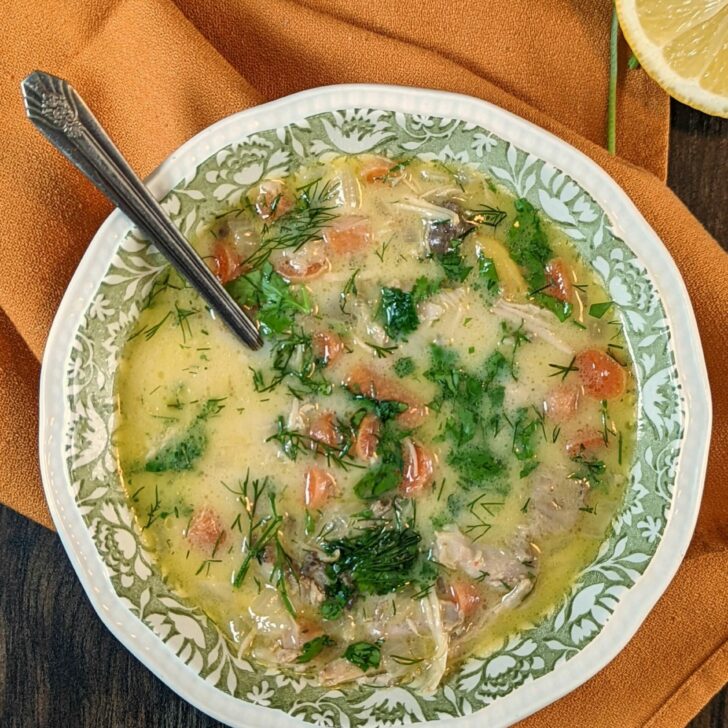 Medium
📜 Story
Medium
📜 Story
Chikhirtma
Egg-Thickened Chicken Broth
Morning after or lunch starter
Comments (0)
Log in to leave a comment.
No comments yet. Be the first to share your thoughts!