
A thick, hearty stew of red kidney beans with walnuts, cilantro, fenugreek, and warm spices, served in a clay pot with cornbread (mchadi). Georgia's ultimate comfort food.
Nutrition & Info
Allergen Warnings
Equipment Needed
Presentation Guide
Vessel: clay pot (ketsi)
Garnishes: fresh cilantro, pickled peppers
Accompaniments: mchadi (cornbread), pickled vegetables
Instructions
-
1
Drain the soaked beans and place them in a large pot with fresh cold water covering them by five centimetres. Bring to a boil, then reduce to a simmer and cook for one to one and a half hours until the beans are very tender and the skins start to split.
-
2
While the beans cook, heat the oil or butter in a skillet over medium heat. Saute the diced onions for eight minutes until deeply golden and caramelized. Add the garlic and cook for one minute more. Set aside off heat.
-
3
In a separate bowl, combine the ground walnuts, fenugreek, ground coriander, cayenne pepper, and half the chopped cilantro. This spice-nut mixture is the hallmark of Georgian bean cookery and distinguishes lobio from all other bean dishes.
-
4
When the beans are tender, drain them, reserving one cup of the cooking liquid. Mash about one-third of the beans roughly with a fork or potato masher, leaving the rest whole. This creates the ideal thick but textured consistency.
-
5
Combine the mashed and whole beans with the caramelized onions and the walnut-spice mixture. Add the red wine vinegar and enough reserved cooking liquid to create a thick, stew-like consistency. Stir everything together thoroughly over medium heat.
-
6
Cook the combined mixture for ten minutes, stirring occasionally, to let the flavours meld and the sauce thicken further. The lobio should be thick enough to hold its shape on a plate but still moist and saucy throughout.
-
7
Stir in the remaining fresh cilantro and adjust seasoning with salt, pepper, and additional vinegar to taste. Serve the lobio warm or at room temperature in a clay bowl, accompanied by Georgian cornbread (mchadi) and pickled vegetables on the side.
Did You Know?
Lobio means 'beans' in Georgian. It's traditionally served in a clay pot called a ketsi, and every Georgian household has their own special recipe.
Chef's Notes
Equipment Tips
- clay pot or heavy pan
- wooden spoon
Garnishing
fresh cilantro, pickled peppers
Accompaniments
mchadi (cornbread), pickled vegetables
The Story Behind ლობიო
The Story: Lobio, from the Georgian word for bean, is one of the most ancient and enduring dishes in the national repertoire. Originally prepared with dolichos legumes native to the region, the dish evolved when kidney beans arrived from the New World in the sixteenth century and quickly took root in the western provinces of Guria and Samegrelo. Seasoned with coriander, garlic, blue fenugreek, and walnuts, lobio reflects the Georgian genius for transforming humble ingredients into deeply satisfying food.
On the Calendar: Lobio is a staple of Orthodox fasting periods when meat is forbidden, and it appears regularly at the supra table alongside mchadi (cornbread) and pickled vegetables. It is everyday comfort food as much as it is festive fare.
Then & Now: Historically a peasant dish slow-cooked in clay pots over open fires, lobio today exists in dozens of regional variations, from the cold walnut-dressed lobio nigozit to hot stewed preparations enriched with herbs and spices.
Legacy: Lobio embodies the Georgian talent for plant-based cooking, proving that a pot of beans, handled with care and seasoned with tradition, can anchor an entire feast.
More Georgian Dishes
 Easy
📜 Story
Easy
📜 Story
Ajapsandali
Georgian Vegetable Stew
Summer lunch or dinner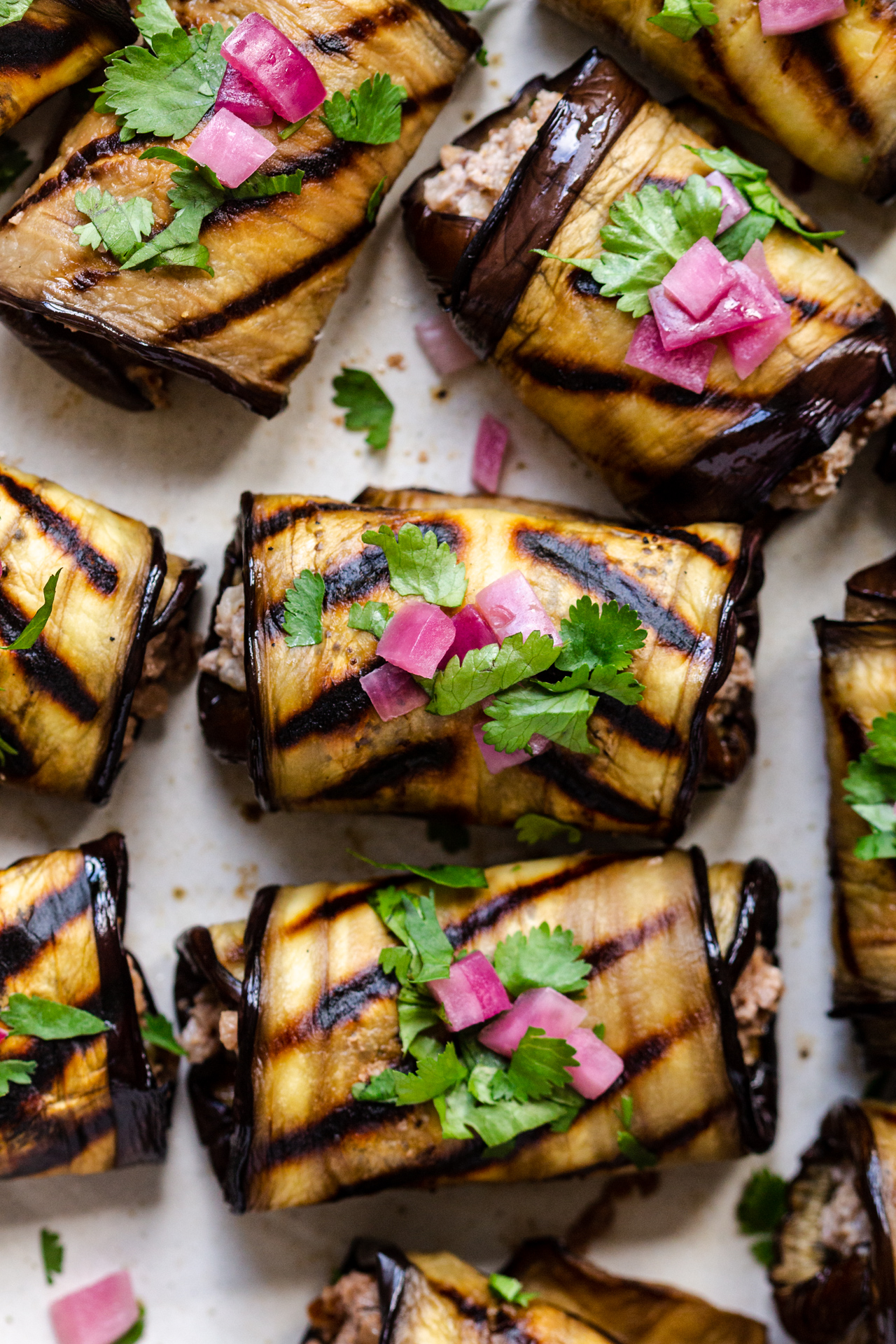 Medium
📜 Story
Medium
📜 Story
Badrijani Nigvzit
Eggplant Rolls with Walnut Paste
Supra feast starter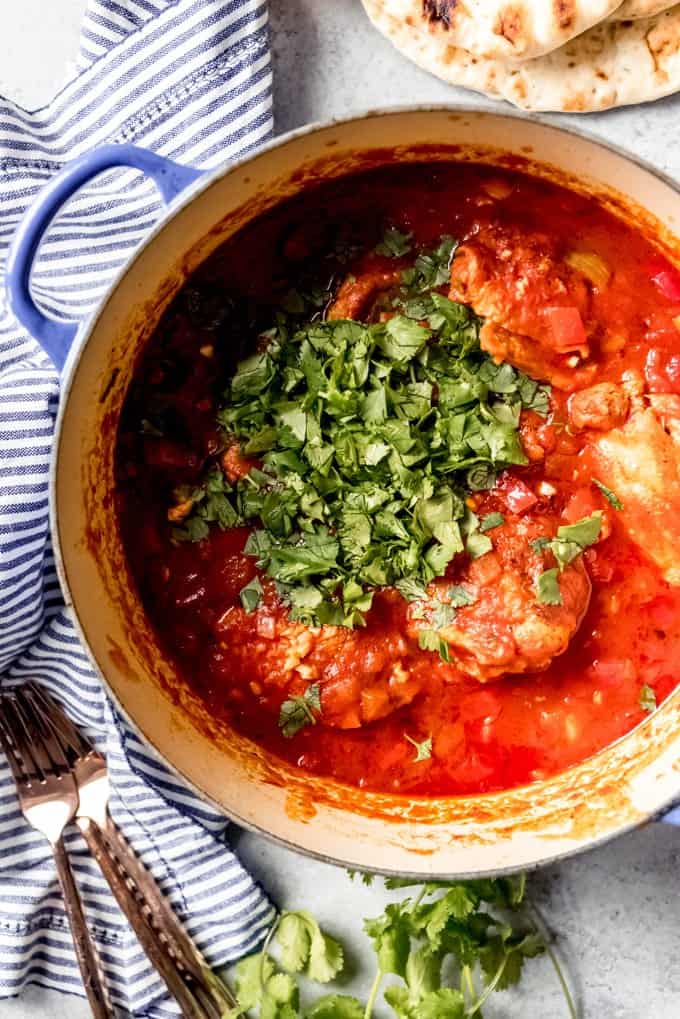 Medium
📜 Story
Medium
📜 Story
Chakhokhbili
Chicken Stew with Tomatoes and Herbs
Lunch or dinner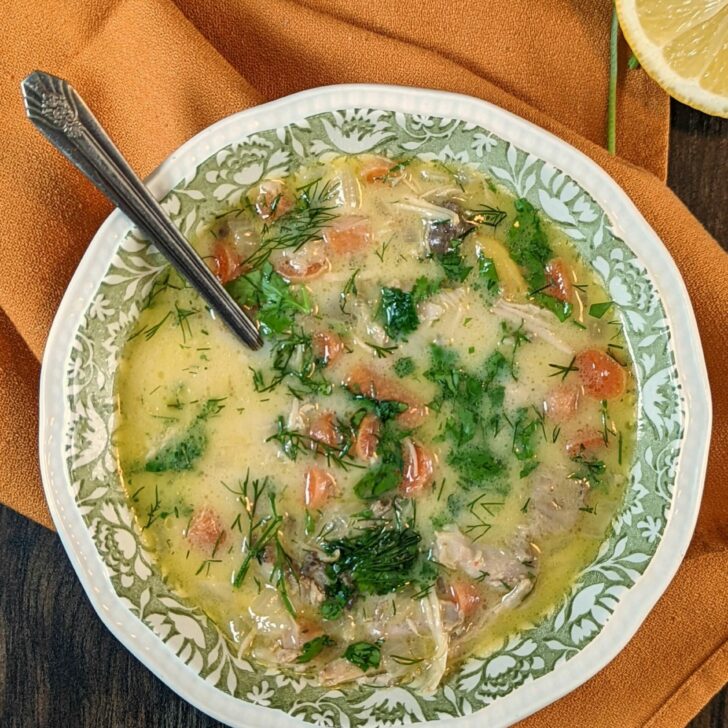 Medium
📜 Story
Medium
📜 Story
Chikhirtma
Egg-Thickened Chicken Broth
Morning after or lunch starter
Comments (0)
Log in to leave a comment.
No comments yet. Be the first to share your thoughts!