
Large, juicy dumplings filled with spiced beef in a thin, twisted-top wrapper that traps a burst of savory broth inside. Eating them properly is an art form.
Nutrition & Info
Allergen Warnings
Equipment Needed
Presentation Guide
Vessel: large plate
Garnishes: cracked black pepper
Accompaniments: none (eaten by hand)
Instructions
-
1
Make the dough by combining flour and salt on a clean surface. Create a well in the centre and gradually add the water while mixing with a fork. Knead vigorously for ten minutes until the dough becomes smooth, elastic, and springs back when poked. Rest covered for thirty minutes.
-
2
Combine the ground beef, finely diced onion, garlic, cilantro, cumin, coriander, black pepper, chili flakes, and salt in a bowl. Gradually add the cold water or broth while mixing, which creates the soupy interior that is khinkali's most important characteristic.
-
3
Mix the filling vigorously in one direction for three minutes until the liquid is fully absorbed and the mixture is slightly sticky. The filling should be loose enough to generate soup inside the dumpling when cooked but firm enough to handle during wrapping.
-
4
Divide the rested dough into twenty-four pieces. Roll each into a thin circle about twelve centimetres in diameter. The dough should be thin enough to see your hand through it at the edges but slightly thicker in the centre for structural support.
-
5
Place two tablespoons of the wet meat filling in the centre of each dough circle. Gather the edges up and over the filling, creating small pleats all around and twisting them together at the top to form a tight topknot. There should be twenty to twenty-five pleats per dumpling.
-
6
Bring a very large pot of generously salted water to a rolling boil. Drop the khinkali in batches of eight, stirring gently once so they do not stick to the bottom. Boil for ten to twelve minutes until they float and the dough looks slightly translucent.
-
7
Remove the khinkali with a slotted spoon and sprinkle with freshly ground black pepper. To eat traditionally, hold the topknot, turn the dumpling upside down, bite a small hole, and sip the hot broth inside before eating the rest. The topknot is left on the plate uneaten.
Did You Know?
Georgians hold the top knob, bite a small hole to sip the hot broth, then eat the dumpling. The twisted top is traditionally not eaten — your leftover tops show how many you've consumed.
Chef's Notes
Equipment Tips
- large pot
- rolling pin
- sharp knife
- mixing bowl
Garnishing
cracked black pepper
Accompaniments
none (eaten by hand)
The Story Behind ხინკალი
The Story: Khinkali are pleated dumplings believed to have originated in the mountainous regions of Pshavi, Mtiuleti, and Tusheti in northeastern Georgia. Some scholars trace their ancestry to Mongol or Central Asian influences along trade routes, though Georgians have made the dumpling entirely their own. The traditional filling combines spiced beef and lamb with onions, cumin, and chili flakes, sealed inside twisted dough knots that trap fragrant broth.
On the Calendar: Khinkali are eaten at gatherings, celebrations, and casual meals alike. Specialized khinkali houses (sakhinkle) serve them fresh from the kitchen in batches, and the ritual of eating them by hand, tilting to sip the broth first, is a point of national pride.
Then & Now: Originally a mountain shepherd's meal designed to be hearty and portable, khinkali have become an urban staple found in restaurants across Tbilisi and beyond. Modern fillings include mushrooms, cheese, and potato, though purists insist on the classic meat version.
Legacy: The pleated top knob, called the kudi, is traditionally left uneaten and used to count how many dumplings each diner has consumed, turning every meal into a friendly contest.
More Georgian Dishes
 Easy
📜 Story
Easy
📜 Story
Ajapsandali
Georgian Vegetable Stew
Summer lunch or dinner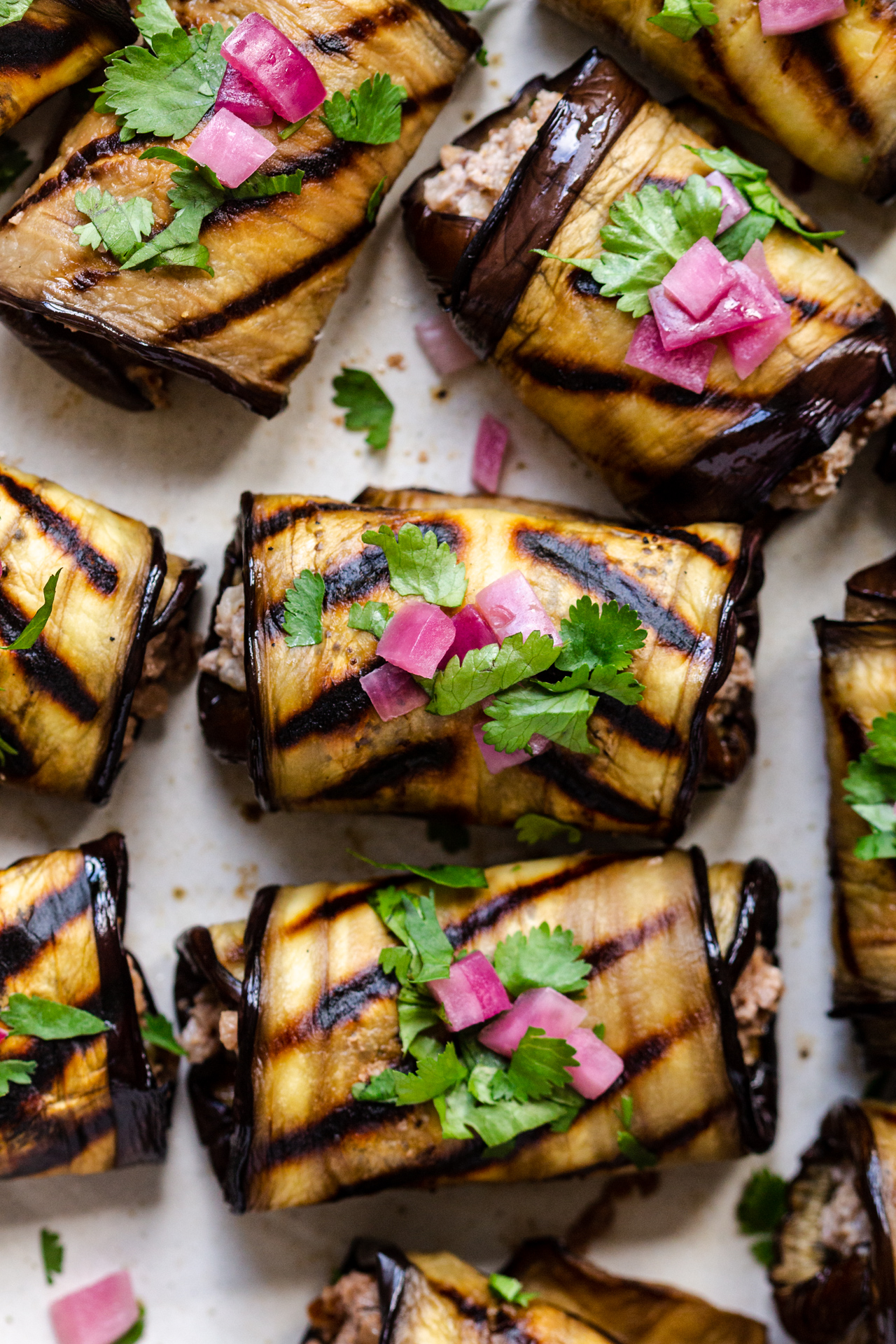 Medium
📜 Story
Medium
📜 Story
Badrijani Nigvzit
Eggplant Rolls with Walnut Paste
Supra feast starter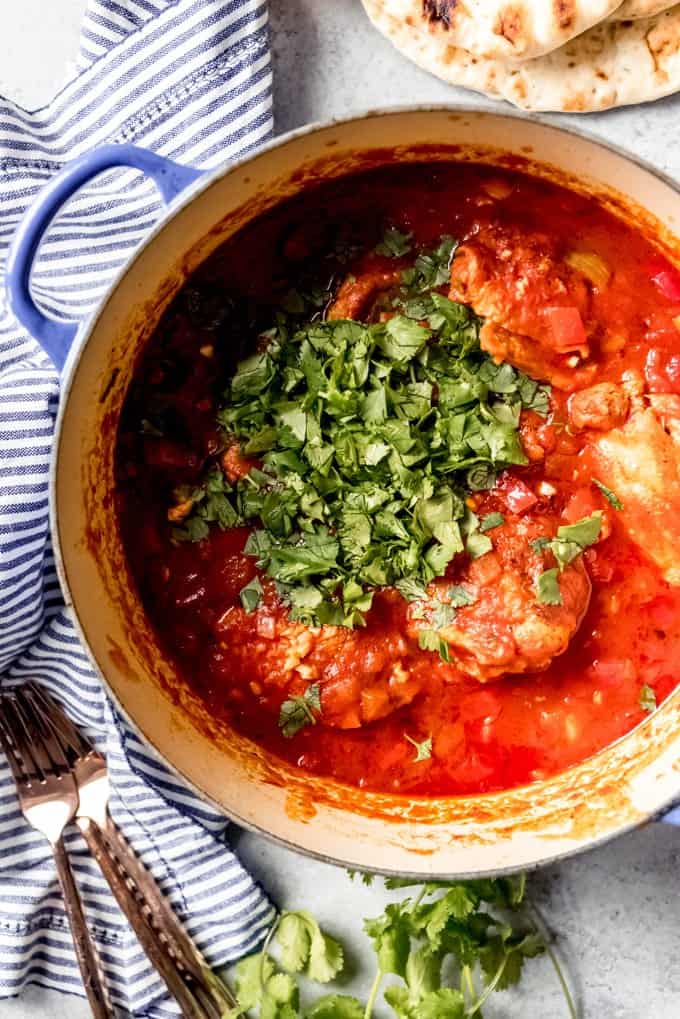 Medium
📜 Story
Medium
📜 Story
Chakhokhbili
Chicken Stew with Tomatoes and Herbs
Lunch or dinner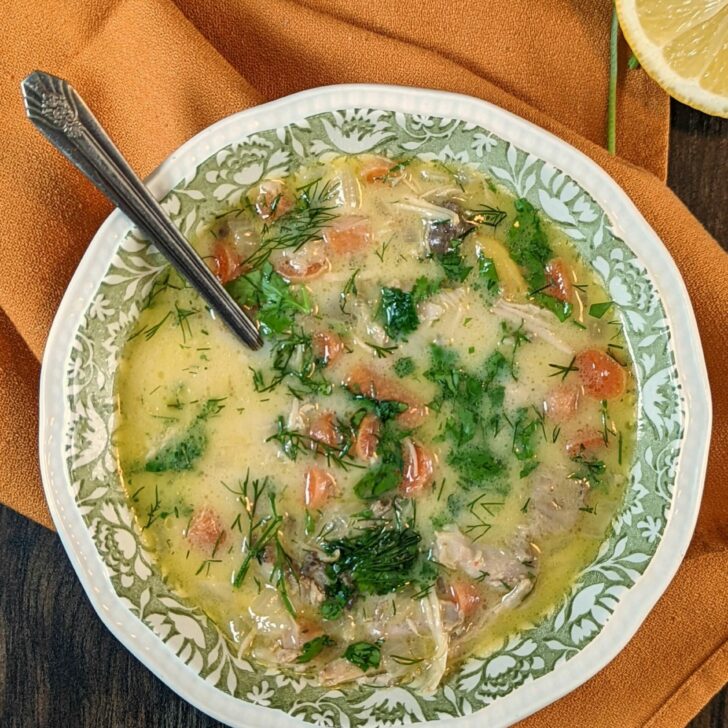 Medium
📜 Story
Medium
📜 Story
Chikhirtma
Egg-Thickened Chicken Broth
Morning after or lunch starter
Comments (0)
Log in to leave a comment.
No comments yet. Be the first to share your thoughts!