
A boat-shaped bread cradle filled with molten cheese, topped with a raw egg and butter that you stir into the bubbling cheese. Tearing bread from the edges to scoop the filling is Georgia's most joyful eating experience.
Nutrition & Info
Allergen Warnings
Equipment Needed
Presentation Guide
Vessel: boat-shaped bread on plate
Garnishes: raw egg yolk, butter pat
Accompaniments: none
Instructions
-
1
Combine the warm milk, yeast, and sugar in a bowl. Let stand five minutes until foamy. Add the flour, melted butter, and salt. Knead for eight minutes until you have a smooth, elastic dough. Cover and let rise in a warm place for one hour until doubled.
-
2
While the dough rises, prepare the cheese filling by combining the grated suluguni (or mozzarella), crumbled feta, and one beaten egg in a bowl. Mix until the cheeses and egg form a cohesive, slightly stretchy filling. Season with a pinch of salt if needed.
-
3
Punch down the risen dough and divide into two equal portions. On a lightly floured surface, roll each portion into an oval shape about thirty centimetres long and twenty centimetres wide, keeping the dough about half a centimetre thick.
-
4
Divide the cheese filling between the two ovals, mounding it in the centre. Roll the long edges of each oval inward toward the centre, then twist and pinch the narrow ends to form a boat shape with an open centre that holds the cheese filling visible.
-
5
Transfer the shaped khachapuri to parchment-lined baking sheets. Pull the twisted ends outward slightly to open up the boat shape, ensuring the cheese filling is exposed in the centre. Let rest for fifteen minutes while preheating the oven to 220C.
-
6
Bake the khachapuri for twelve to fifteen minutes until the bread crust is puffed and golden brown and the cheese filling is melted and bubbling. Remove from the oven and immediately crack a raw egg into the centre of each hot cheese-filled boat.
-
7
Return to the oven for just one to two minutes until the egg white begins to set but the yolk remains completely runny. Add a generous pat of butter next to the egg. Serve immediately, stirring the runny egg and melting butter into the hot cheese before tearing off bread.
Did You Know?
There are over 50 regional varieties of khachapuri across Georgia. The Adjarian boat-shaped version with the egg is the most famous worldwide.
Chef's Notes
Equipment Tips
- mixing bowl
- rolling pin
- baking sheet
- oven
Garnishing
raw egg yolk, butter pat
Accompaniments
none
The Story Behind ხაჩაპური
The Story: Khachapuri, whose name combines the Georgian words khacho (cheese curds) and puri (bread), is among the oldest and most iconic dishes in the Caucasus. Cheese-filled breads appear in Georgian culinary records stretching back to the medieval period, when regional variations began to crystallize. Each province developed its own form: Imeruli (round and sealed), Megruli (double-cheesed), and the famous boat-shaped Adjarian version crowned with egg and butter.
On the Calendar: Khachapuri is eaten year-round and at every meal, but it holds special significance during religious holidays, family celebrations, and the supra feast. In the Adjara region, the boat-shaped version is traditionally associated with coastal life, its form said to represent a boat, the egg a sun, and the butter a sea.
Then & Now: Once a humble household bread baked in a tone oven, khachapuri has become Georgia's most recognized culinary export. The National Statistics Office of Georgia even tracks a Khachapuri Index, measuring inflation through the cost of its ingredients.
Legacy: Khachapuri stands as a symbol of Georgian identity and hospitality, uniting every region of the country through a shared love of bread and cheese.
More Georgian Dishes
 Easy
📜 Story
Easy
📜 Story
Ajapsandali
Georgian Vegetable Stew
Summer lunch or dinner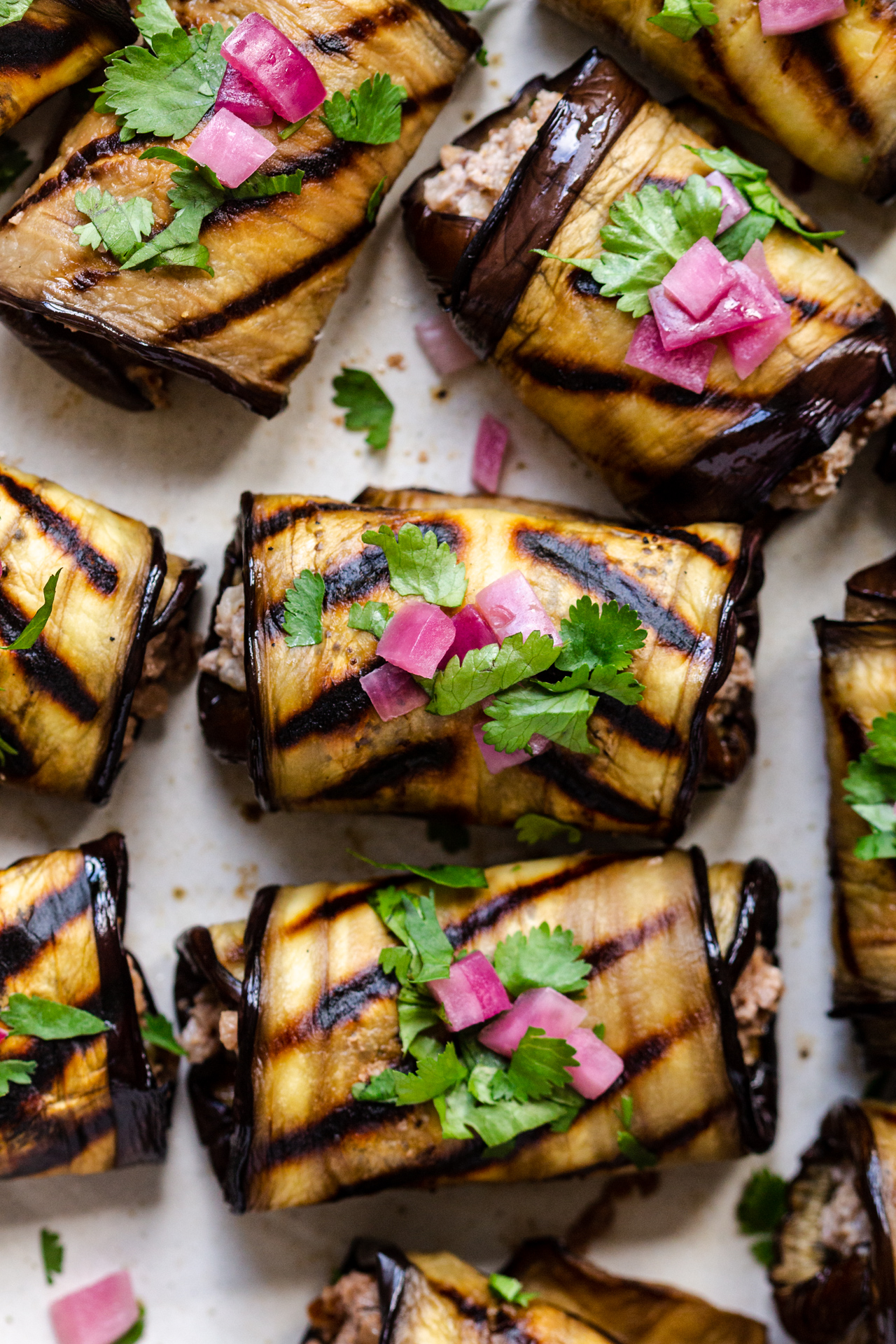 Medium
📜 Story
Medium
📜 Story
Badrijani Nigvzit
Eggplant Rolls with Walnut Paste
Supra feast starter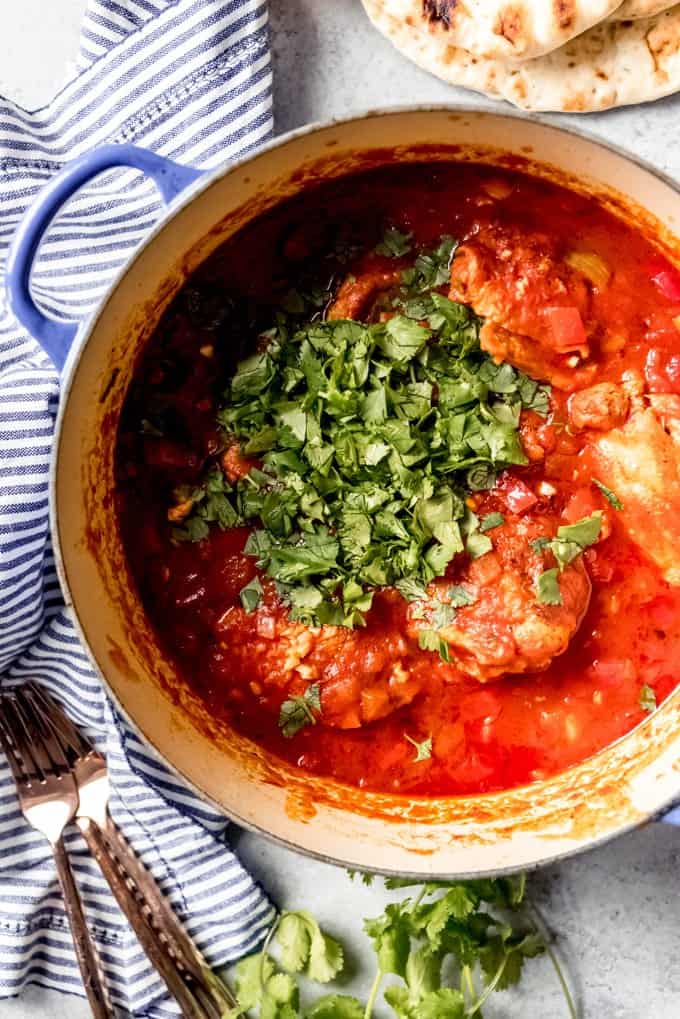 Medium
📜 Story
Medium
📜 Story
Chakhokhbili
Chicken Stew with Tomatoes and Herbs
Lunch or dinner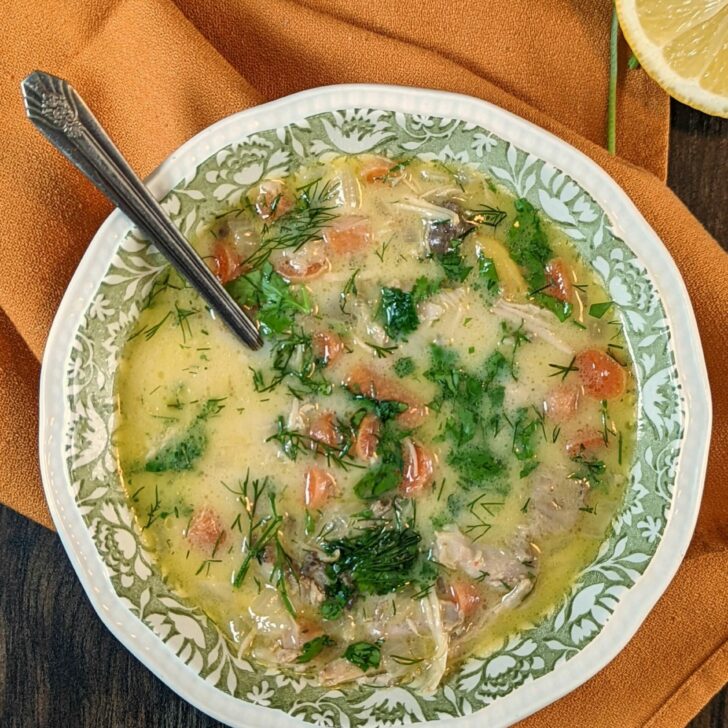 Medium
📜 Story
Medium
📜 Story
Chikhirtma
Egg-Thickened Chicken Broth
Morning after or lunch starter
Comments (1)
Log in to leave a comment.
The presentation tips really elevated this dish. Restaurant quality!