
Tangy fermented bladdernut flower buds tossed with sliced onions and a drizzle of oil — a uniquely Georgian pickle found nowhere else in the world.
Nutrition & Info
Equipment Needed
Presentation Guide
Vessel: small ceramic bowl
Garnishes: red onion rings, cilantro
Accompaniments: bread, other pickles
Instructions
-
1
Rinse the fresh bladdernut blossoms thoroughly, removing any stems or leaves, and place them in a clean glass jar.
-
2
Dissolve salt in water to make a brine, pour over the blossoms until fully submerged, and cover loosely with a cloth.
-
3
Ferment at room temperature for five to seven days until the blossoms develop a pleasant tangy and slightly sour flavor.
-
4
Drain the fermented jonjoli, rinse lightly, and squeeze out excess brine by pressing gently with clean hands.
-
5
Toss the drained jonjoli with thinly sliced red onion, sunflower oil, and a splash of red wine vinegar in a bowl.
-
6
Serve at room temperature as part of a meze spread, garnished with fresh cilantro alongside bread and other appetizers.
Did You Know?
Jonjoli is so uniquely Georgian that most food dictionaries in other languages have no translation for it — it simply does not exist in other cuisines.
Chef's Notes
Equipment Tips
- fermentation jar
- strainer
- mixing bowl
Garnishing
red onion rings, cilantro
Accompaniments
bread, other pickles
The Story Behind Jonjoli
Jonjoli exemplifies the Georgian tradition of foraging and fermenting wild plants. The bladdernut tree grows wild throughout the Georgian countryside, and the practice of pickling its blossoms dates back centuries as a way to preserve spring flavors for winter tables.
More Georgian Dishes
 Easy
📜 Story
Easy
📜 Story
Ajapsandali
Georgian Vegetable Stew
Summer lunch or dinner Medium
📜 Story
Medium
📜 Story
Badrijani Nigvzit
Eggplant Rolls with Walnut Paste
Supra feast starter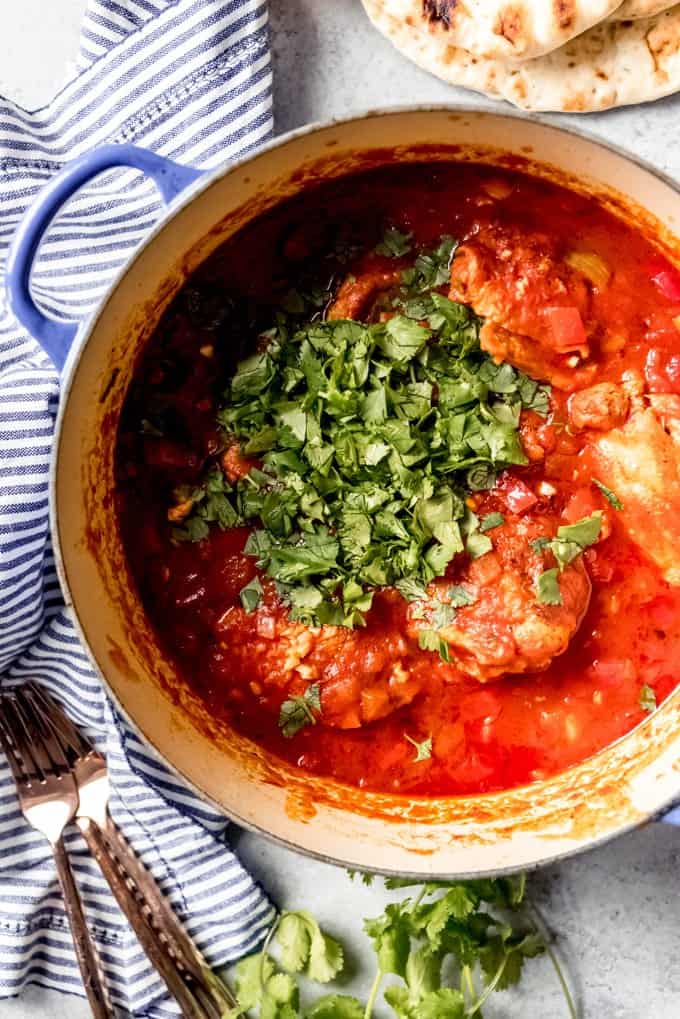 Medium
📜 Story
Medium
📜 Story
Chakhokhbili
Chicken Stew with Tomatoes and Herbs
Lunch or dinner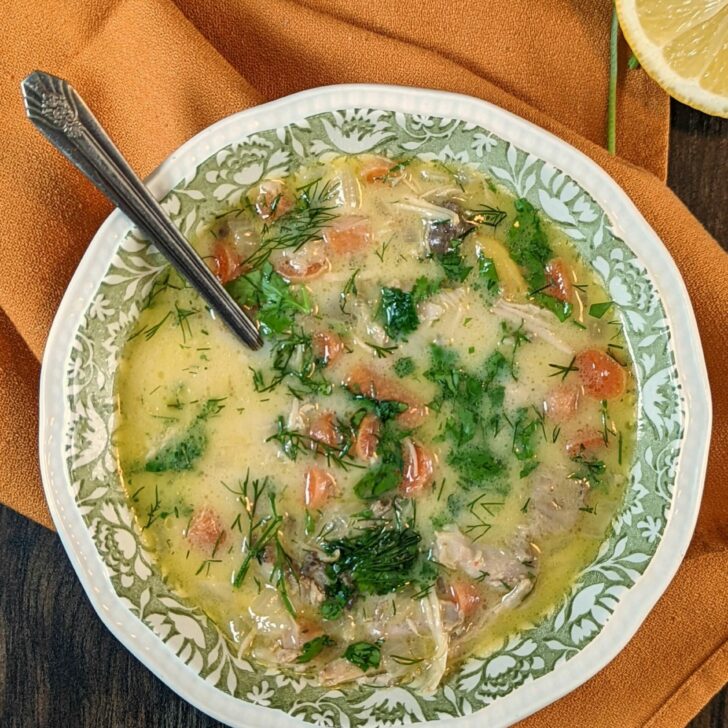 Medium
📜 Story
Medium
📜 Story
Chikhirtma
Egg-Thickened Chicken Broth
Morning after or lunch starter
Comments (0)
Log in to leave a comment.
No comments yet. Be the first to share your thoughts!