
An impossibly stretchy and elastic porridge of cornmeal and sulguni cheese, pulled and stretched until it forms long gooey strings from the spoon.
Nutrition & Info
Allergen Warnings
Equipment Needed
Presentation Guide
Instructions
-
1
Bring salted water to a boil in a heavy pot, then gradually whisk in the coarse cornmeal while stirring constantly to avoid lumps.
-
2
Reduce heat to low and cook for fifteen minutes, stirring frequently, until the porridge thickens and pulls away from the sides.
-
3
Add the fine cornmeal gradually, continuing to stir vigorously as the mixture becomes very thick and difficult to work with.
-
4
Add the shredded sulguni cheese in handfuls, stirring and pulling the mixture energetically until the cheese melts and stretches.
-
5
Continue stirring for another five minutes until the elarji becomes elastic and forms long stringy strands when pulled with a spoon.
-
6
Serve immediately while hot and stretchy, topped with a pat of butter, alongside grilled meats or spicy stews.
Did You Know?
Making proper elarji is considered a test of arm strength — the mixture becomes so thick and elastic that stirring requires genuine physical effort.
Chef's Notes
Equipment Tips
- heavy pot
- wooden spoon
- strong arm
Garnishing
butter pat, cheese pull
Accompaniments
grilled meat, stew
The Story Behind Elarji
Elarji is a Megrelian specialty from western Georgia, where sulguni cheese and corn are dietary staples. This dish predates the introduction of corn to Georgia in the 17th century in a different form, originally made with millet.
More Georgian Dishes
 Easy
📜 Story
Easy
📜 Story
Ajapsandali
Georgian Vegetable Stew
Summer lunch or dinner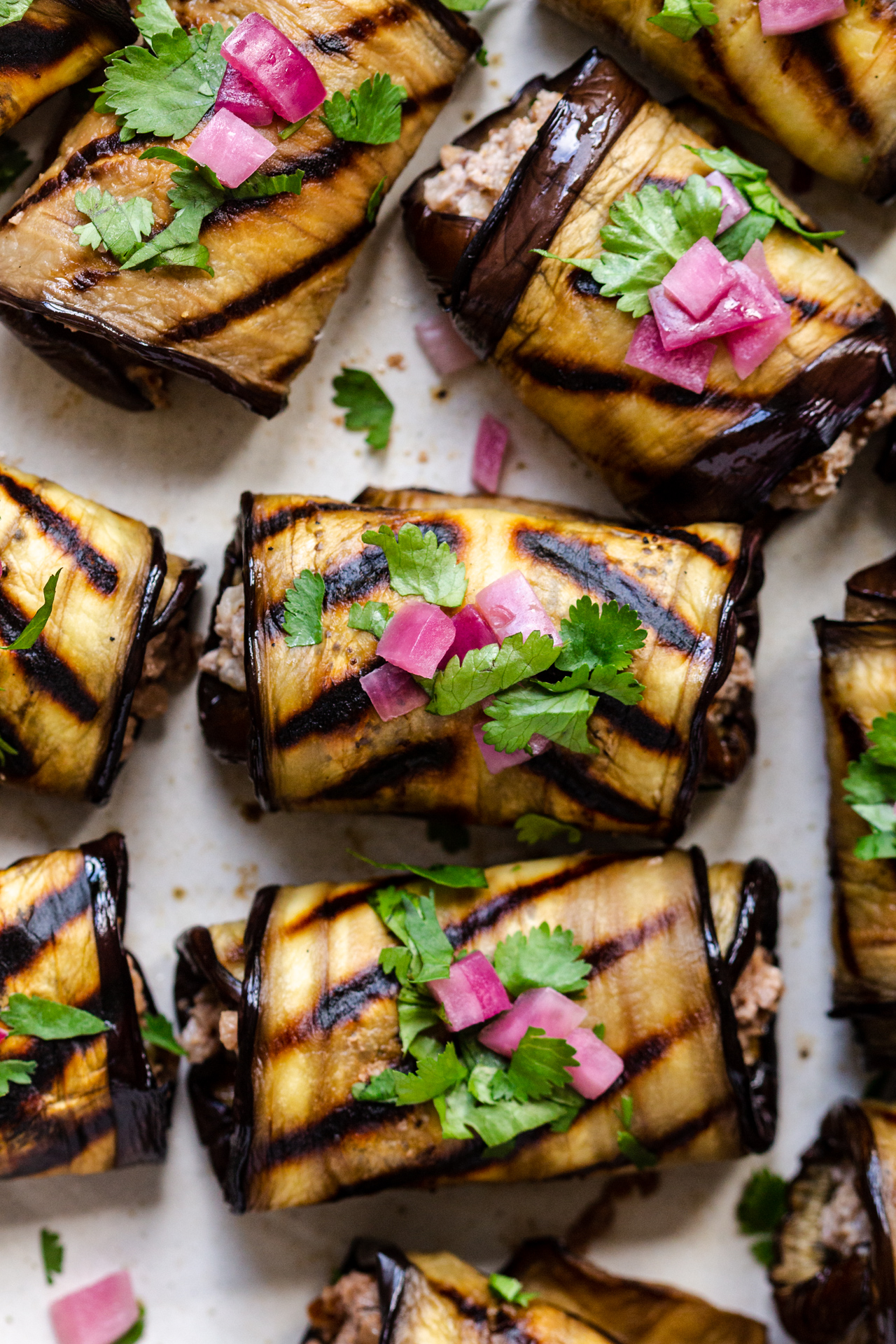 Medium
📜 Story
Medium
📜 Story
Badrijani Nigvzit
Eggplant Rolls with Walnut Paste
Supra feast starter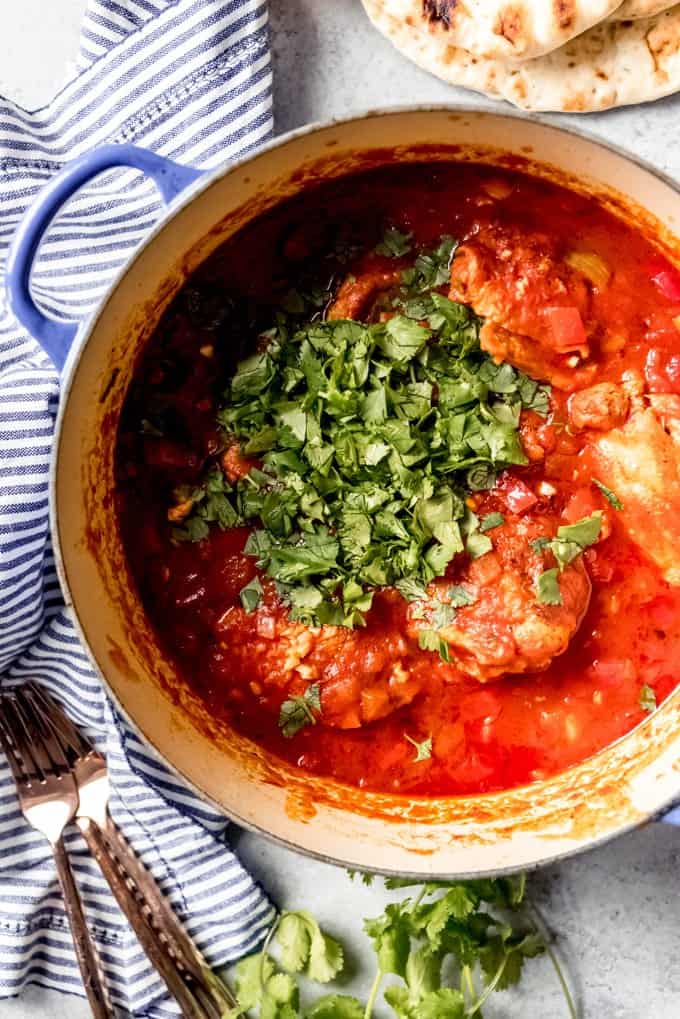 Medium
📜 Story
Medium
📜 Story
Chakhokhbili
Chicken Stew with Tomatoes and Herbs
Lunch or dinner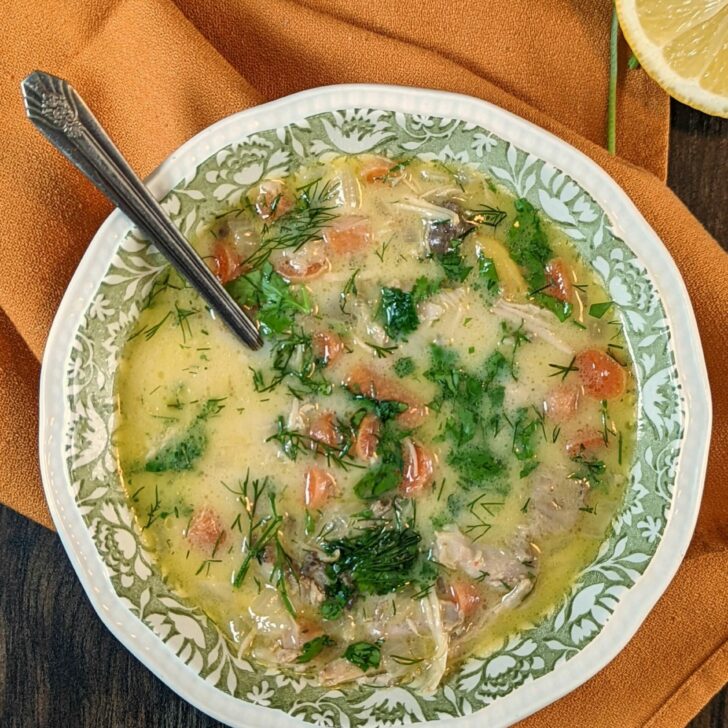 Medium
📜 Story
Medium
📜 Story
Chikhirtma
Egg-Thickened Chicken Broth
Morning after or lunch starter
Comments (0)
Log in to leave a comment.
No comments yet. Be the first to share your thoughts!